ThailandLover Contact

สกลนคร

Sakon Nakhon

City of Cities by Nong Han

An upper-Isaan province where Nong Han mirrors the sky, Phu Phan ridges hold forest temples and Khmer-era chedis, and Phu Thai, Yo, So, and Kaleng cultures still shape everyday life.

01

Geography & Climate

Nong Han Lake & Phu Phan Ridges

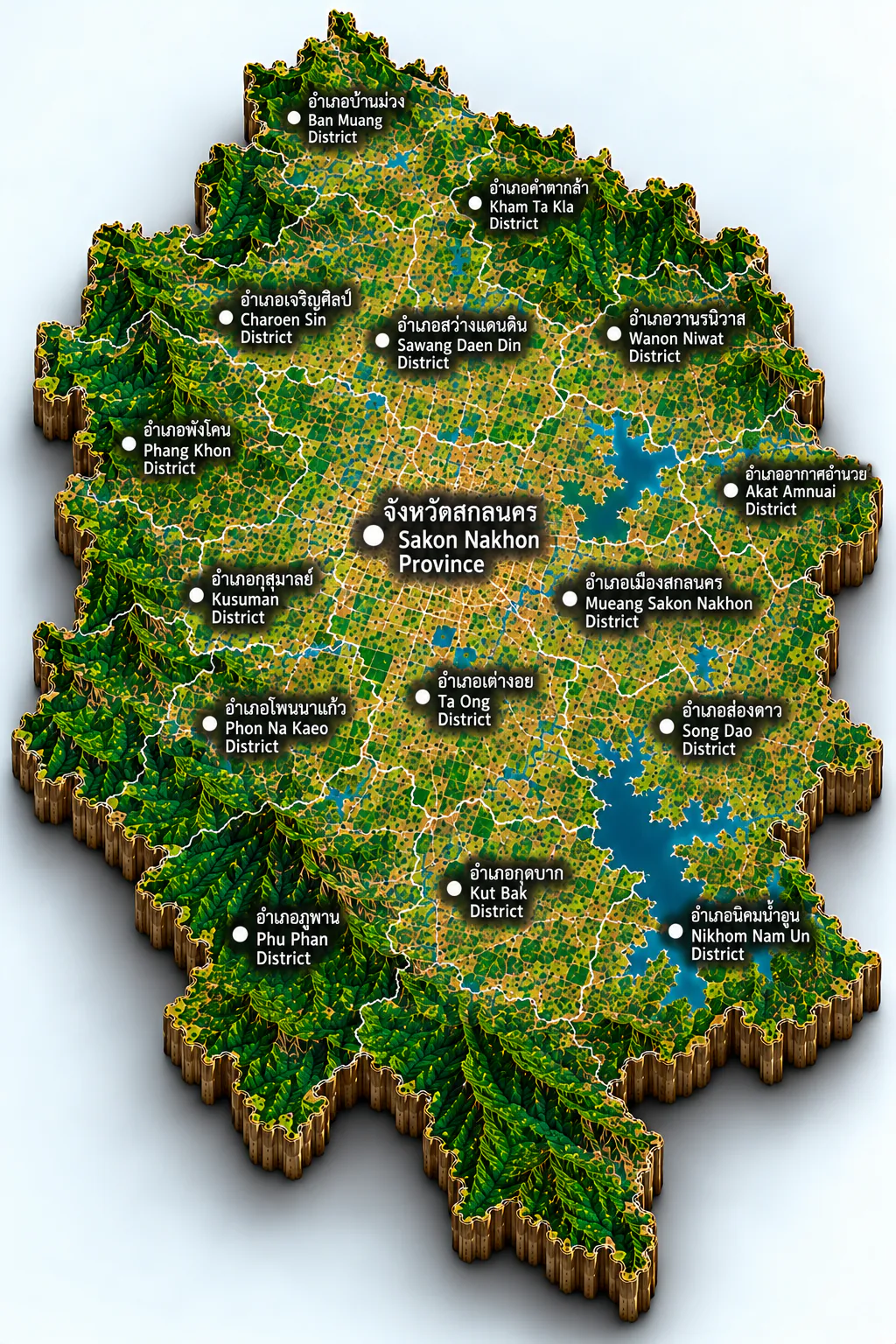
Sakon Nakhon sits on the Khorat Plateau in upper northeastern Thailand — about 9,580 square kilometres, some 650 kilometres from Bangkok. It meets Nong Khai and Bueng Kan to the north, Nakhon Phanom to the east, Mukdahan and Kalasin to the southeast and south, and Udon Thani to the west.

The heart of the plain is Nong Han — the largest natural freshwater lake in the Northeast — beside the capital, fed by many streams and the source of the Nam Kam toward the Mekong. The Phu Phan Mountains lift the southern rim into sandstone forest, with national parks at Phu Phan, Phu Pha Yon, and Phu Pha Lek, while Nam Un Dam and paddy country fill the land between ridge and lake.

The climate follows the Isaan monsoon. Cooler, clearer days settle from about November to February; March to May is the hot stretch; rains green the paddies and refill the lake from roughly May through October.

Best time: November – February for cool dry air, clear lake shores, and easy hill walks; May – October for green forest, a fuller Nong Han, and quieter green-season travel.

Sakon Nakhon landscape

02

History & Heritage

From Nong Han Luang to Sakon Nakhon

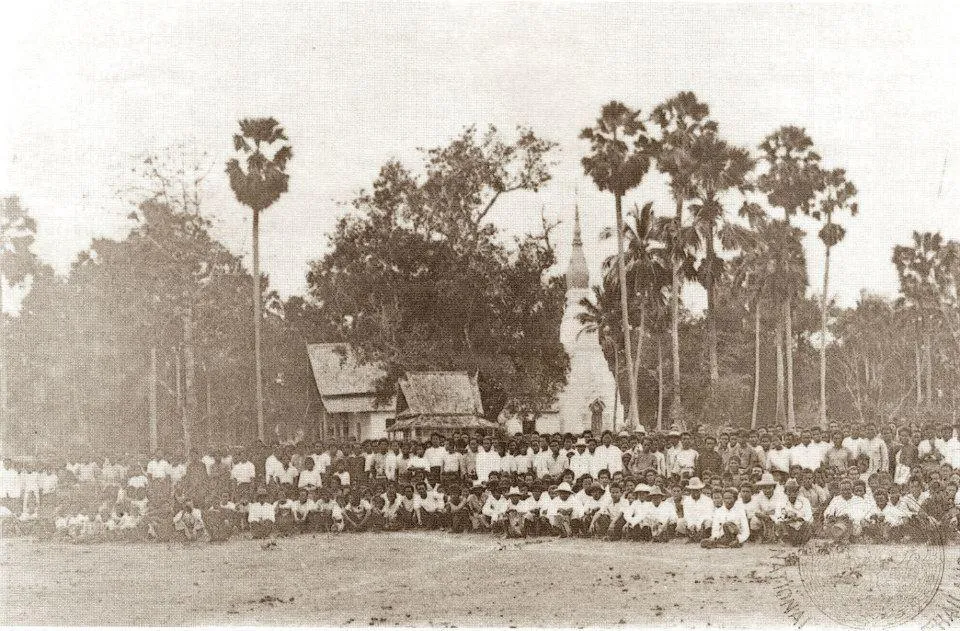
Settlement around Nong Han reaches back more than three thousand years. Local chronicle and archaeology place this basin within the old Sri Kotrabun world and, later, under the Khmer Empire. In the 16th Buddhist century — roughly the 11th century CE, in the age of King Suryavarman I — Mueang Nong Han Luang rose as a Khmer town. Laterite sanctuaries still mark that faith: Phra That Choeng Chum began as a sandstone-and-laterite prang before becoming today’s Lao-style chedi; Phra That Dum, Phra That Narai Cheng Weng, and the hilltop Phra That Phu Phek keep the same Khmer footprint across the province.

When Khmer power faded, the town passed under Lan Xang and took the name Chiang Mai Nong Han. Under Siamese rule it became Mueang Sakhon Thawapi, and in 1830 (B.E. 2373), during the reign of King Rama III, it received the lasting name Sakon Nakhon — “city of cities,” from Sanskrit sakala and nagara.

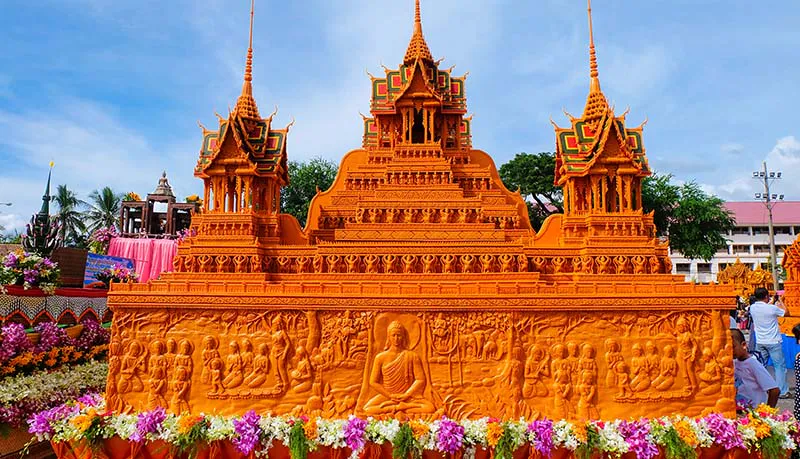
Around the old town and the lake, many peoples still share one place: Tai Lao, Phu Thai (Phu Tai), Yo (Nyaw), So, Kaleng, Yoy, and Chinese and Vietnamese communities. Faith centres on sacred chedis and living festivals — above all the Wax Castle Procession (Hae Prasat Phueng) — so the province remains known as a quiet heartland of Isaan Buddhism and forest meditation.


Sakon Nakhon heritage

03

Top Attractions

Places Not to Miss

Sacred chedis, Nong Han shores, Phu Phan parks, and Tha Rae’s Catholic lanes — places that shape a Sakon Nakhon journey, listed A to Z.

100 Years House of Tha Rae

100 Years House of Tha Raeบ้านโบราณ 100 ปี ท่าแร่

A century wooden house that once sheltered Catholic rites when churches were closed — later scarred by fire, now wrapped by a bodhi tree that has claimed the ruins. One of Tha Rae’s most photographed heritage corners.

Location · Tha Rae, Mueang Sakon Nakhon

Cathedral of St Michael the Archangel

Cathedral of St Michael the Archangelอาสนวิหารอัครเทวดามีคาแอล

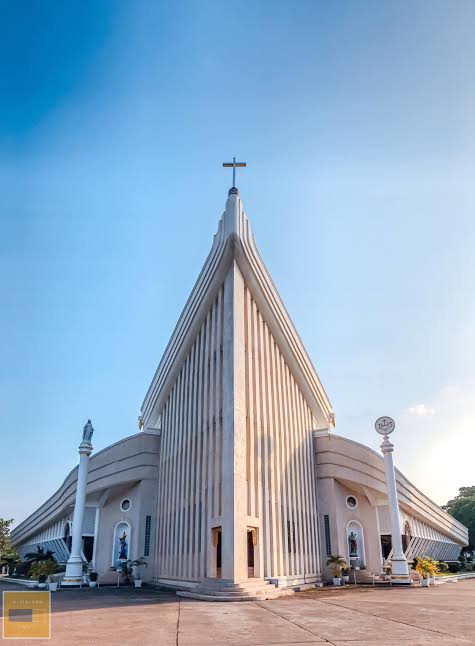
Tha Rae’s landmark church — a vessel-inspired nave that remembers the Catholic migrants who settled this lakeshore. Quiet stone and stained light beside Nong Han; pair it with the village walk.

Location · Tha Rae, Mueang Sakon Nakhon

Kham Hom Waterfall

Kham Hom Waterfallน้ำตกคำหอม

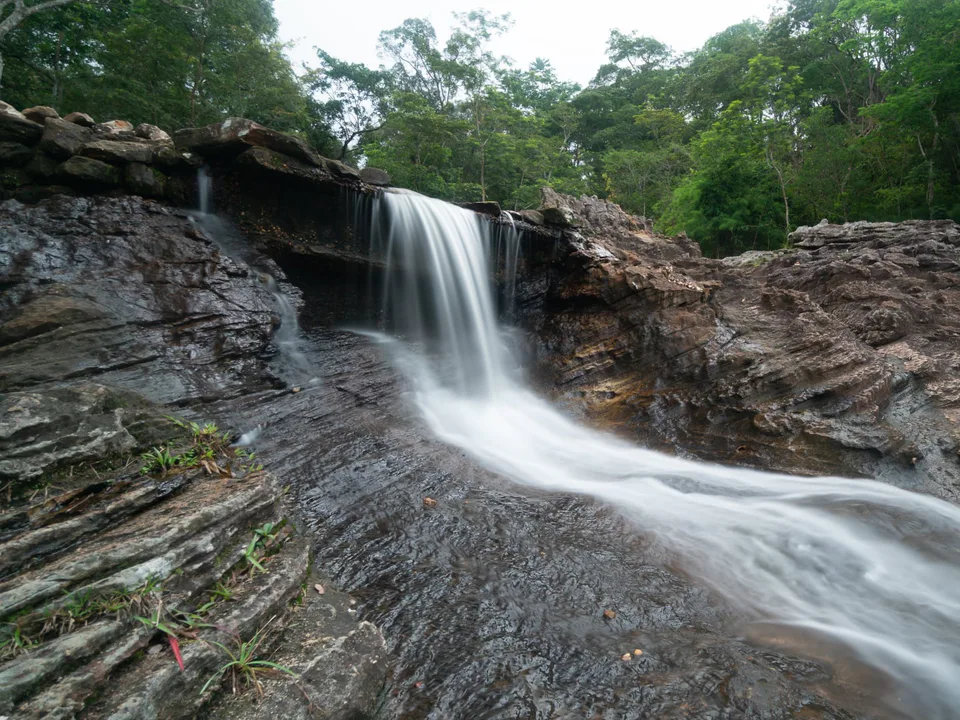
A modest cascade inside Phu Phan National Park — green shade, soft spray, and an easy nature reset without a long trek. Best after rains when the forest and flow are fullest.

Location · Phu Phan National Park

Lotus and Waterlily Park

Lotus and Waterlily Parkอุทยานบัวเฉลิมพระเกียรติ มก.

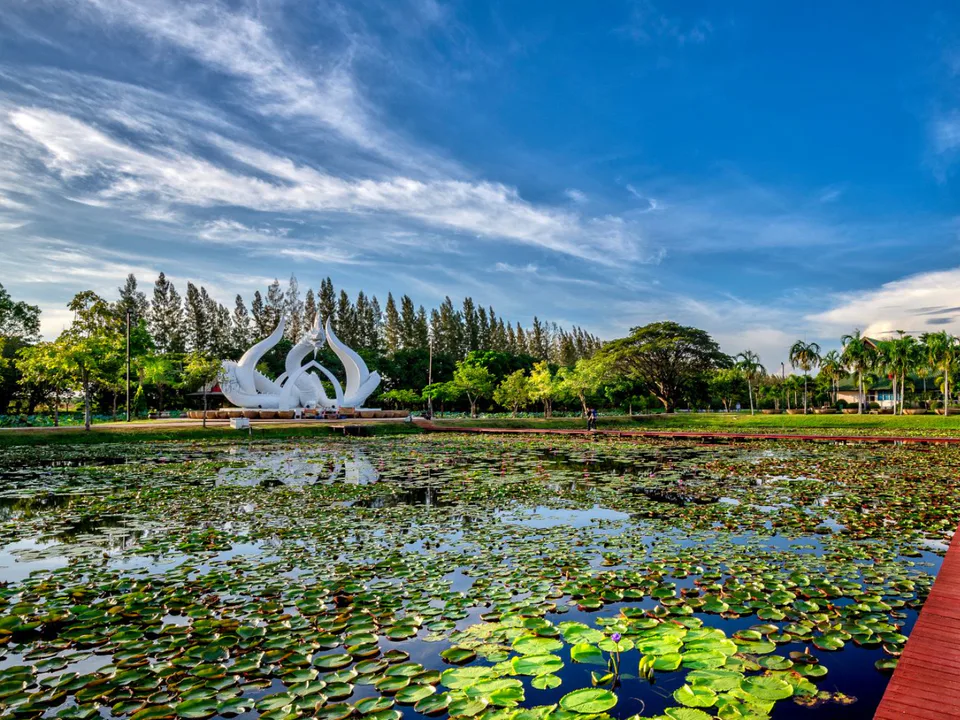
Kasetsart University’s collection of Thai and rare lotus and waterlily species — colour ponds year-round, bike paths, and quiet paddle boats. A calm green pause just outside the city.

Location · Mueang Sakon Nakhon District

Nam Phung Dam

Nam Phung Damเขื่อนน้ำพุง

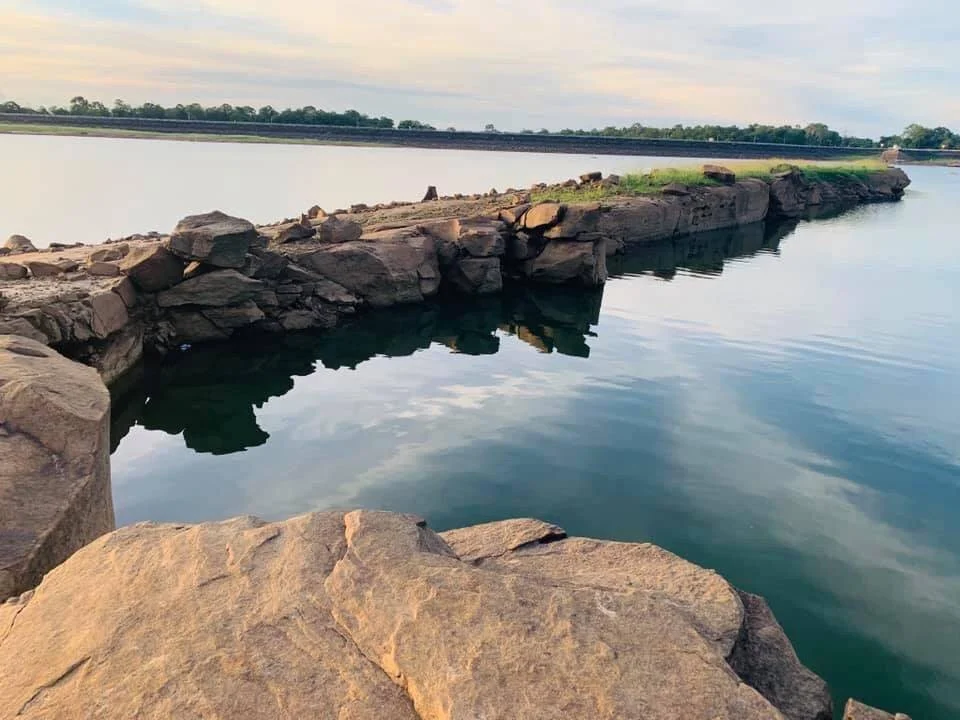
A hydroelectric reservoir wrapped in quiet hills — one of Sakon Nakhon’s favourite sunset decks. Cafés and simple restaurants sit by the water for an easy golden-hour drive.

Location · Phu Phan District

Nam Un Dam

Nam Un Damเขื่อนน้ำอูน

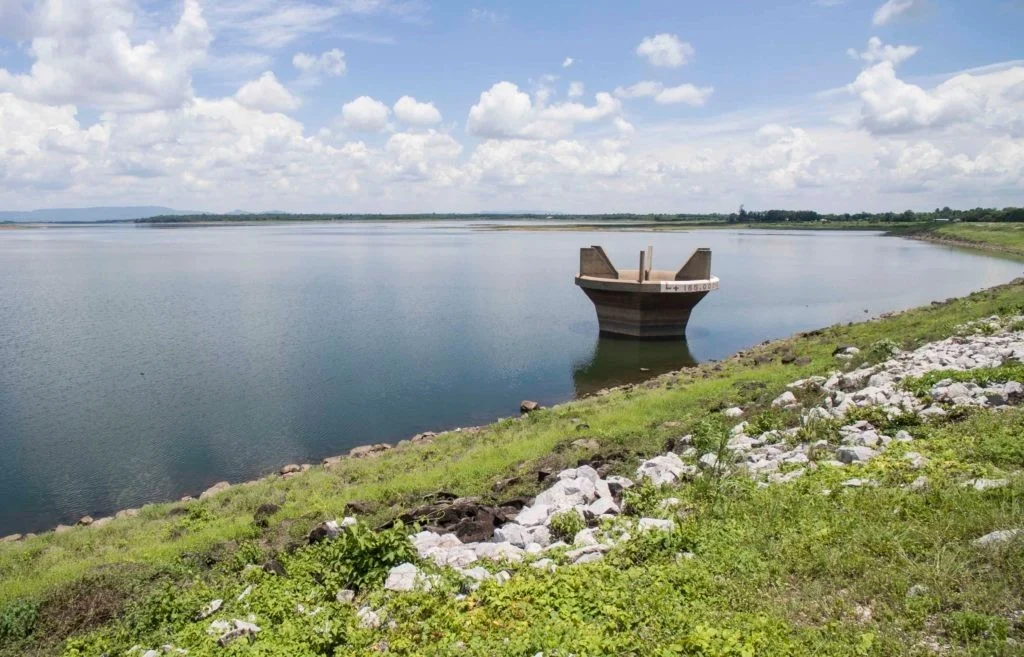
A large earthen dam with Hat Suan Hin — the “Isaan sea” sand beach that draws summer swimmers. Food stalls, lake views, and cooler late-day light make it a classic weekend escape.

Location · Phang Khon District

Nong Han Lake

Nong Han Lakeบึงหนองหาร

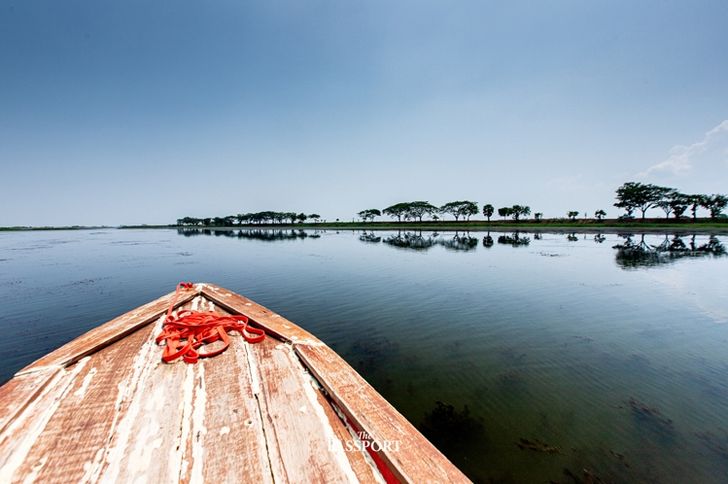
The Northeast’s largest natural freshwater lake — about 18 km long beside the capital, source of the Nam Kam toward the Mekong. Boat, sunset cafés, and lakeshore walks define Sakon Nakhon’s softest evenings.

Location · Mueang Sakon Nakhon District

Phanna Buri

Phanna Buriพันนาบุรี

A contemporary Khmer-inspired restaurant and café complex — grand towers, photo corners, and a full meal stop in one visit. Newer landmark energy beside the older stones of Ku Phanna.

Location · Sawang Daen Din District

Phra That Narai Cheng Weng

Phra That Narai Cheng Wengพระธาตุนารายณ์เจงเวง

A single laterite Khmer prang whose name echoes “Narai of the long legs,” tied to a Vishnu relief found here. Local lore says women finished this sanctuary while men still built Phu Phek on the ridge.

Location · Mueang Sakon Nakhon District

Phra That Phu Phek

Phra That Phu Phekพระธาตุภูเพ็ก · ปราสาทภูเพ็ก

A vast unfinished Khmer laterite sanctuary on the Phu Phan ridge — more than a thousand years old, still without roof or finial. Climb for highland air and one of Isaan’s most striking Khmer silhouettes.

Location · Phanna Nikhom District

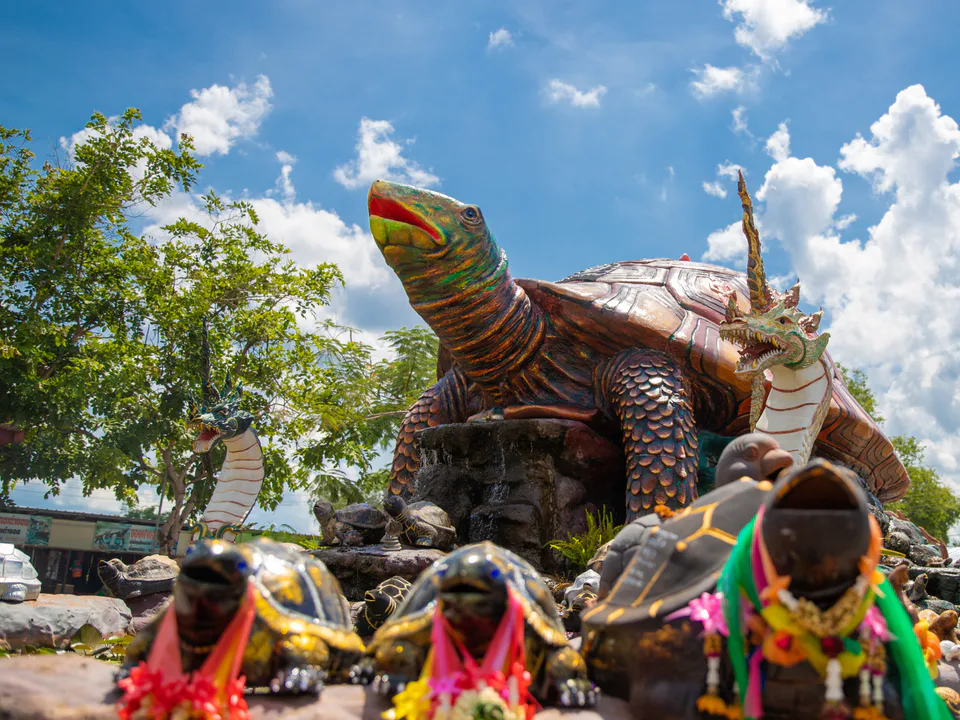
Phraya Tao Ngoi

Phraya Tao Ngoiพญาเต่างอย

A giant lucky-turtle statue more than three metres high in Tao Ngoi’s public park — local legend turned into a modern merit stop. Travellers come for photos, blessings, and a quick roadside pause.

Location · Tao Ngoi District

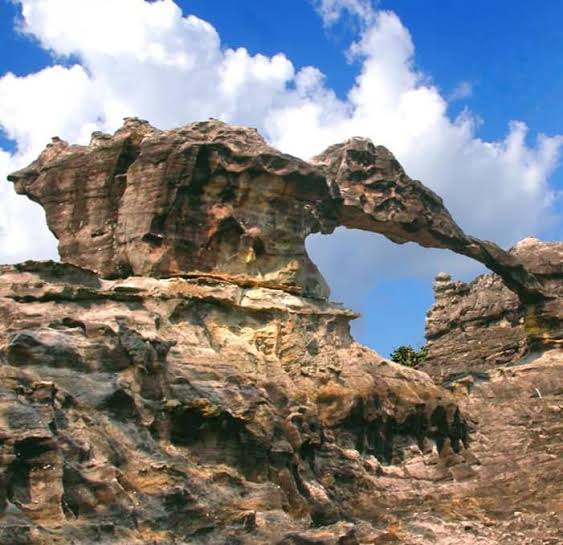
Phu Pha Lek National Park

Phu Pha Lek National Parkอุทยานแห่งชาติภูผาเหล็ก

Prehistoric rock art about 3,700 years old, dinosaur fossils, misty Phu Sung ridges, and the surreal sandstone flats of Lan Man Pla. A quieter Phu Phan park for hikers and geology fans.

Location · Song Dao District

Phu Pha Yon National Park

Phu Pha Yon National Parkอุทยานแห่งชาติภูผายล

Ridges, waterfalls, prehistoric art, and some of Isaan’s clearest stargazing skies. Camp under the Phu Phan dark; cool-season nights are the reward after a day on the trails.

Location · Tao Ngoi District

Phu Phan National Park

Phu Phan National Parkอุทยานแห่งชาติภูพาน

Sandstone ridges on the Phu Phan Range — waterfalls, caves, mist viewpoints, and forest trails across Sakon Nakhon and Kalasin. Camp under cool highland nights; headquarters sits about 25 km from town on Highway 213.

Location · Mueang Sakon Nakhon / Kalasin

Prasat Ku Phanna

Prasat Ku Phannaกู่พันนา

A laterite-and-sandstone Khmer hospital shrine from the reign of Jayavarman VII — more than a thousand years of healing architecture on the plateau. Late afternoon light softens the heat for photos.

Location · Sawang Daen Din District

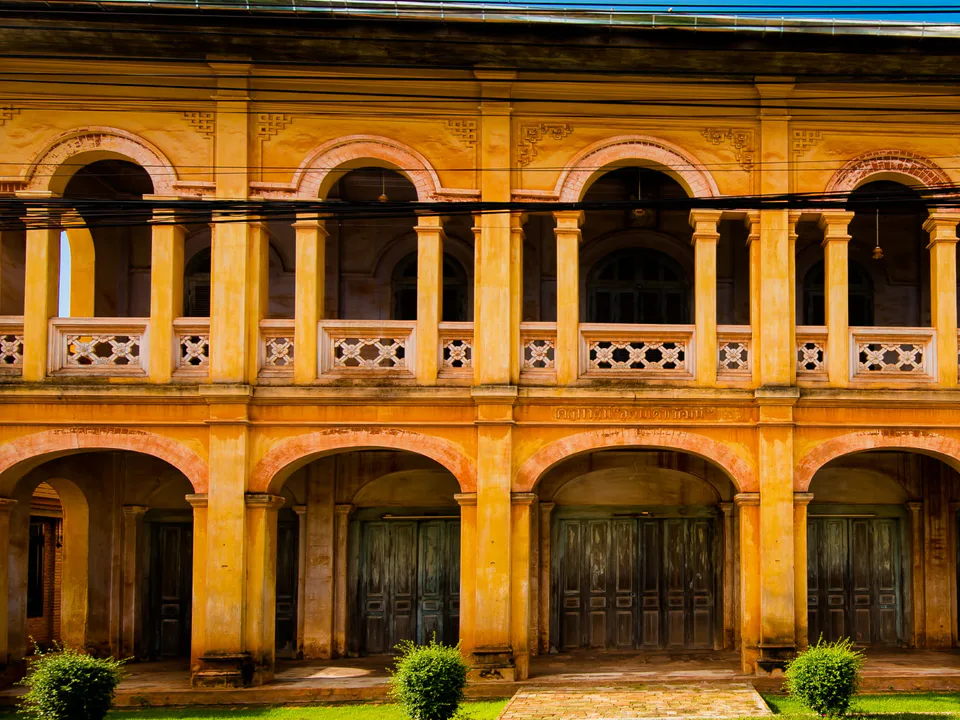
Tha Rae Village

Tha Rae Villageชุมชนท่าแร่

Thailand’s largest Catholic community on the shore of Nong Han — French-colonial houses, lakeside lanes, cafés, and a Thai–Western rhythm unique to upper Isaan. Easy half-day with the cathedral and the century house.

Location · Mueang Sakon Nakhon District

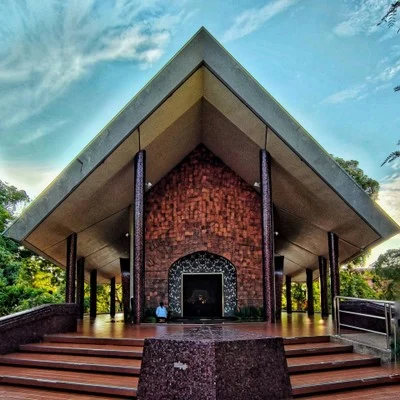
Wat Pa Suttawat

Wat Pa Suttawatวัดป่าสุทธาวาส

Forest temple where Ajahn Man Bhuridatto once spent the rains and later passed away — his relics and museum keep the Thai forest tradition alive in the city. Green, quiet, and close to the government centre.

Location · Mueang Sakon Nakhon District

Wat Phra Phutthabat Namthip

Wat Phra Phutthabat Namthipวัดพระพุทธบาทน้ำทิพย์

Seven sacred Buddha footprints in the Phu Phan forest, said to weep “nectar water” through the year — the name Namthip. A quiet merit stop for pilgrims who favour cool woodland temples.

Location · Phu Phan District

Wat Phra That Choeng Chum Worawihan

Wat Phra That Choeng Chum Worawihanวัดพระธาตุเชิงชุมวรวิหาร

The province’s sacred heart — a Lan Xang–Rattanakosin compound around Phra That Choeng Chum, the Lao-style chedi on the provincial seal. Pay respect to Luang Pho Ong Saen; the square stupa rises about 24 metres over the old city.

Location · Mueang Sakon Nakhon District

Wat Tham Pha Daen

Wat Tham Pha Daenวัดถ้ำผาแด่น

Sandstone reliefs of the Buddha’s life, a giant naga on the ridge, and a 360° view over Sakon Nakhon town. Among the province’s most visited forest temples — cool mornings reward the climb.

Location · Mueang Sakon Nakhon District

04

Local Flavours & Food

Phon Yang Kham Beef, Laab & Lake Flavours

Sakon Nakhon eats with GI Phon Yang Kham fattened beef at the centre — tender Charolais-cross marble from Ban Phon Yang Kham that locals grill, hot-pan, or simmer in jaew hon — then layers Isan heat: hand-mixed beef laab, fried pla som, and Mekong-style fish from old-town rooms. Vietnamese counters bring naem nueang and spring rolls; finish with deep-purple mak mao (mao berry) juice when you find it. Start with the six tables below; hours can change, so check before you go.

Where to Eat

Tables Worth the Detour

Hand-mixed beef laab, Phon Yang Kham grills, Vietnamese naem nueang, and old-town Isan rooms — Sakon Nakhon’s tables, listed A to Z. Hours can change; tap Location for the latest pin.

Chokchai Phosana

Chokchai Phosanaโชคชัยโภชนา

Daily · 08:00–16:00

Uncle Chai’s legendary beef-laab house — he mixes the raw minced beef by hand until every spice coats the meat, yet the bowl still looks clean and inviting.
Locals call a plate here a mouth’s good fortune; come early while the morning queue is still kind.

Location · Soi Ratthaphatthana 6, Mueang Sakon Nakhon

Jan Plae Garden Restaurant

Jan Plae Garden Restaurantสวนอาหาร จานเปล

Lunch · 07:00–14:00 · Evening · 15:00–22:00

Day bowls of khao soi and stewed chicken–pork noodles give way to evening grill, Cantonese sukiyaki, and jaew hon built around Phon Yang Kham fattened beef.
One garden stop for both a quick lunch plate and a serious night of Sakon’s famous marble.

Location · Sakon Nakhon–Kalasin Rd, Mueang Sakon Nakhon

Kominta Saep La Ber

Kominta Saep La Berโกมินธาแซบละเบ๋อ

Daily · 10:00–21:30

A handy Isan counter by the city plaza — sharp som tam, solid one-plate meals, and cold drinks for the heat.
Ideal when you want downtown spice without a long drive; finish with a sweet if the chilli still burns.

Location · Charoen Mueang Rd, near Lan Khon Mueang, Mueang Sakon Nakhon

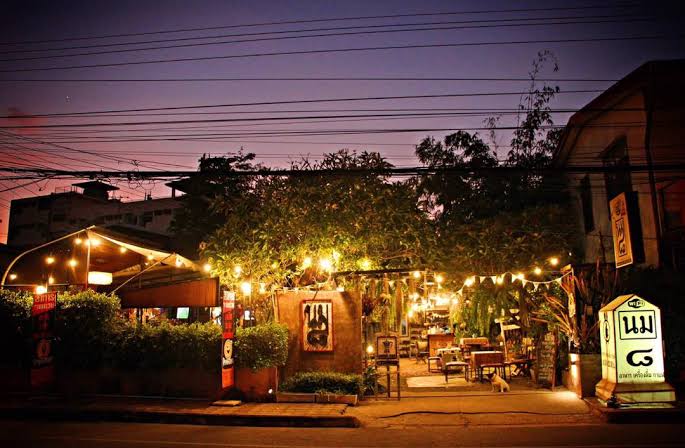
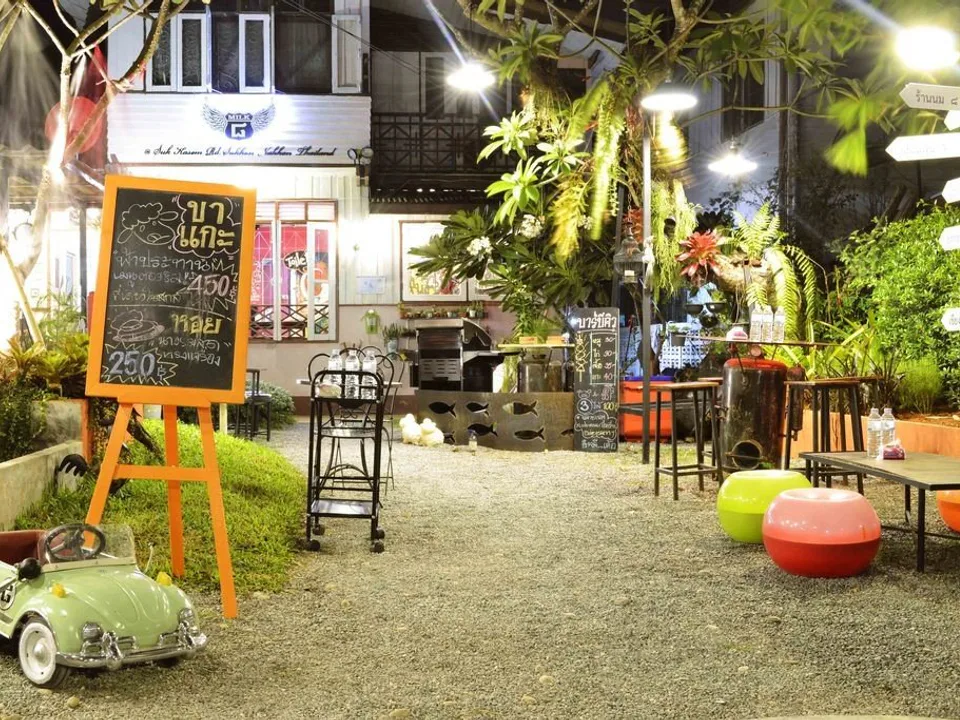
Nom 8

Nom 8ร้านอาหาร นม 8

Tue–Sun · 10:00–22:00 · closed Mon

A friendly room with an odd name and a following for New Zealand mussels under cheese, slow-roasted lamb shank, and rosemary Phon Yang Kham beef.
Come when the table wants something beyond som tam — still rooted in Sakon’s GI beef.

Location · Huai Yang, Mueang Sakon Nakhon

Orrawan Naem Nueang

Orrawan Naem Nueangอรวรรณแหนมเนือง

Daily · 08:00–20:00

A simple Vietnamese kitchen trusted for charcoal naem nueang, fried and fresh spring rolls, shrimp-on-sugarcane, and pork in cha-phlu leaf.
Authentic border-community flavour — the right stop when Sakon’s Vietnamese pantry calls.

Location · Kamchatphai Rd, Mueang Sakon Nakhon

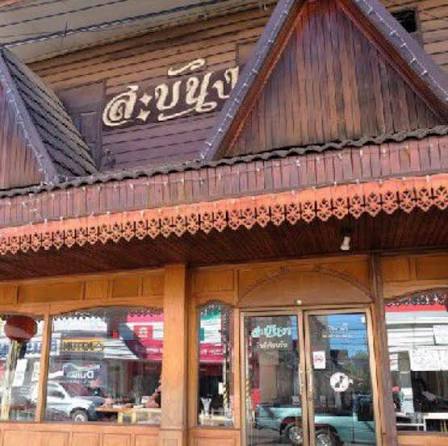
Sabanga

Sabangaสะบันงา

Daily · 10:20–21:30

An old-school Isan house — fried pla som and fish-roe fritters, steamed joak fish with jaew, Mekong fish phat cha, banana-blossom yum, and rattan-shoot curry.
Leave room for deep-purple mao (mak mao) juice; the room still feels like your parents’ generation of dining out.

Location · Ratthaphatthana Rd, Mueang Sakon Nakhon

05

Souvenirs from Sakon Nakhon

Beef, Indigo & Golden Hang Rice

Sakon Nakhon packs GI flavour and indigo craft into one bag — Phon Yang Kham beef, dense moo yor, old-name kun chiang, antioxidant mak mao juice, golden Hang Hom Thong rice, and handmade kram cloth. Fill the edible side first; leave room for a sin skirt or scarf you will actually wear.

  • Hang Hom Thong Sakon Thawapi riceข้าวฮางหอมทองสกลทวาปี A provincial GI hang rice — steamed by Phu Thai wisdom until grains turn golden and fragrant. Cook it plain or mix with white rice; bags from Ban Na Bo and Waritchaphum travel cleanly and taste like old Sakon kitchen care.
  • Kun chiang Yai Thongkhamกุนเชียงยายทองคำ A long-loved Chinese-sausage house name in Sakon Nakhon — sweet-savoury links that keep well for the road. Slice thin for sticky rice, or fry until the fat beads; a classic edible gift beside the beef and moo yor counters.
  • Mak mao juiceน้ำหมากเม่า Deep-purple juice from the local mao berry — rich in antioxidants and a Sakon GI fruit story. Look for five-star OTOP labels such as Ai Kham and Wannawong; sealed bottles are the easiest purple souvenir to pack.
  • Moo yor sheets & rollsหมูยอแผ่น · หมูยอกลม Sakon’s number-one edible gift for many travellers — dense pork loaf with little flour, sold flat or round. Nong Nid shops around town are the local tip; about ฿85 a pack, slice cold with chilli sauce on the first night back.
  • Natural indigo clothผ้าย้อมครามธรรมชาติ Handmade kram dye — sin skirts, scarves, and ready-to-wear indigo from village vats and Pha Kram Road near Phra That Choeng Chum. Choose pieces you will wear; Sakon’s natural indigo paste and cloth sit among the province’s GI pride.
  • Phon Yang Kham fattened beefเนื้อโคขุนโพนยางคำ Thailand’s famous GI beef from Ban Phon Yang Kham — buy skewers (~฿150), sun-dried beef (~฿100), or mam nuea and som teen wua for the cooler. Tender Charolais-cross marble that still tastes sweet after the drive home.

06

Local Culture & Vibe

Wax Castles, Sacred Chedis & Christmas Stars

Sakon Nakhon’s year turns on faith and water — beeswax castles at Ok Phansa, long boats on Nong Han, pilgrimage weeks at Phra That Choeng Chum, Christmas stars rolling through Tha Rae, and Loy Krathong light on Phang Thong Pond. Phu Thai, Yo, So, Kaleng, and Catholic lakeshore communities share one calendar of merit and celebration. Come for a festival and you meet the province at its most itself — devout, colourful, and proudly plural.

  • Christmas Star Processionประเพณีแห่ดาวคริสต์มาส 23–25 December each year at Ban Tha Rae and in Sakon Nakhon town — more than two hundred star-decked vehicles parade through Thailand’s largest Catholic community. Lights, carols, and lakeshore Christmas energy unique to this Nong Han shore.
  • Loy Phra Prathip — Sip Song Peng Tai Sakonประเพณีลอยพระประทีป สิบสองเพ็งไทสกล On Loy Krathong night — the full moon of the 12th lunar month — floats and Isan cultural shows fill Phang Thong Pond and Somdet Phra Srinagarindra Park. Soft water light, Tai Sakon identity, and a gentler evening than the capital’s crowds.
  • Phra That Choeng Chum Worship Fairงานนมัสการพระธาตุเชิงชุมและหลวงพ่อพระองค์แสน From the 9th to the 15th waxing days of the second lunar month, devotees gather at Wat Phra That Choeng Chum Worawihan to honour the provincial chedi and Luang Pho Ong Saen. Pilgrimage week for the Buddha image and stupa that still define Sakon’s sacred centre.
  • Wax Castle Procession & Royal Cup Long Boatsแห่ปราสาทผึ้ง · แข่งเรือยาวชิงถ้วยพระราชทาน Around Ok Phansa — usually the 12th–15th waxing nights of the 11th lunar month — temple communities carve natural beeswax into towering prasat phueng, parade them to Wat Phra That Choeng Chum, and race long boats on Nong Han for the royal cup. Book rooms early; this is the province’s signature night of merit and water.
Sakon Nakhon culture

07

Travel Info & Getting There

Plan Your Journey

How to reach Sakon Nakhon from Bangkok, and how to move around once you arrive.

From Bangkok

By air

Sakon Nakhon Airport (SNO) is the easy door — about 8–9 km north of town on the Sakon–Nakhon Phanom road, roughly 20 minutes by taxi. Direct flights from Bangkok Don Mueang (DMK) take about 1 hour 15–20 minutes with Nok Air and Thai AirAsia; there is no Suvarnabhumi service. Book early for Wax Castle / Ok Phansa week and Christmas at Tha Rae; airport taxis and hotel cars usually wait outside arrivals.

By car

About 640–650 km from Bangkok — a full day on the road in ordinary traffic (roughly 7–9 hours with stops). Take Highway 1 (Phahonyothin) to Saraburi, then Highway 2 (Mittraphap) through Nakhon Ratchasima toward Ban Phai; peel east on Highway 23 via Maha Sarakham and Kalasin, and finish on Highway 213 into Sakon Nakhon. From Udon Thani, Highway 22 is the straight run east (~160 km). Once in town, 213 climbs toward Phu Phan; 22 continues to Nakhon Phanom.

By train

There is no passenger railway into Sakon Nakhon. Ride the Northeastern Line from Krung Thep Aphiwat to Udon Thani (~159 km west of Sakon), then continue by coach or hired car — about 2.5–3.5 hours into town. Overnight sleepers into Udon plus a morning bus remain the classic rail-and-road combo if you prefer not to fly; buses toward Nakhon Phanom and Mukdahan often stop in Sakon.

By bus

The simplest door-to-door ride: coaches from Bangkok’s Mo Chit 2 (Chatuchak) cover about 647 km in roughly 9–11 hours and roll into Sakon Nakhon Bus Terminal. Transport Co (999) and private operators share the corridor — day seats from morning, many evening VIP services that land at dawn as Nong Han wakes. Book ahead for Wax Castle weekends and Christmas Star nights. Regional coaches also link Sakon with Udon Thani, Nakhon Phanom, Mukdahan, Kalasin, and Khon Kaen.

Getting around

Phra That Choeng Chum, the old town, and the Nong Han lakeshore sit close enough for walking or a short tuk-tuk hop. Songthaews and motorbike taxis cover the centre; Grab can be thin, so ask your hotel to call a car. Rent a scooter or hire a driver for Tha Rae, Phu Phan / Phu Pha Yon / Phu Pha Lek, Phra That Phu Phek, Wat Tham Pha Daen, and Nam Un Dam — the Phu Phan ridges and lake circuit reward a full day with your own wheels.

Best time to visit

November to February brings cool, clear days for temples, lake walks, and Phu Phan mist. October — Ok Phansa week — fills Ming Mueang with beeswax castles and Nong Han with long boats; book rooms early. Late December lights Tha Rae’s Christmas Star Procession. The second lunar month fair gathers pilgrims at Phra That Choeng Chum. March–May is hottest; May–October greens the national parks and softens the crowds — pack light rain cover for quieter green-season travel.

Continue the Journey

Nearby Provinces