
Ban Sapan
A quiet mountain village wrapped in mist, pine, and a clear stream that runs through daily life. Homestays, slow mornings, and cafe terraces make this the classic Bo Kluea pause — less a checklist stop than a place to breathe.

 ThailandLover
Contact
น่าน
Whispering Pines & Living Heritage
Hidden in the green valleys of Northern Thailand, Nan is where mountain mist, teak temples, and seven centuries of history still set the pace. Once an independent kingdom on the Nan River, it remains a slow-travel province of Tai Lue murals, pine ridges, and quiet old-town lanes.
01
Geography & Climate
Nan is the eastern reach of upper Northern Thailand — about 11,472 square kilometres, and roughly 668 kilometres north of Bangkok by road. Folded mountains cover about 85 percent of the land; the livable plain is a narrow ribbon, about 15 percent, strung along the river. Fifteen districts run from the Laos frontier down toward Uttaradit. Chiang Rai and Phayao lie to the north and northwest, Phrae to the southwest, and a long eastern border faces Laos.
The Nan River is the province’s spine. It rises near Doi Khun Nam Nan in Bo Kluea, bends through Thung Chang, Pua, Tha Wang Pha, and Mueang Nan, then runs south through Wiang Sa toward Uttaradit. Far downstream it helps form the Chao Phraya, and on many counts supplies around 40 percent of that river’s water. Doi Phu Kha, inside the national park of the same name, is the highest summit, close to 2,000 metres. Around it sit forest parks such as Khun Nan, Mae Charim, and Nanthaburi, plus the old rock-salt wells of Bo Kluea and the rice terraces of Pua.
The climate follows the northern monsoon, with a cooler edge on the ridges. March into May is the hot stretch, when the valley warms and the hills stay the kinder escape. Rains arrive with the southwest monsoon from about May to September, greening the terraces and filling the waterfalls. From October to February the northeast monsoon brings the clear, cool months — mist in the pines above Pua and Bo Kluea, and crisp mornings in town.
Best time: November – February for cool air, clear valley light, and sea-of-mist mornings on Doi Phu Kha; March – May for highland shade; May – September for green terraces and quieter forest roads.

02
History & Heritage
Nan’s story is older than its quiet reputation. Local chronicles place the first ruling centre in the late thirteenth century, when Phraya Phuka of the Phuka line established Mueang Yang along the Yang River, in the hills near today’s Doi Phu Kha. Khun Fong, of the same house, then founded Mueang Woranakhon — the town now known as Mueang Pua — and the valley’s political life gathered there.
As the realm grew, the capital moved with the river. In 1359 Phraya Kanmueang received Buddha relics and raised the sacred ground of Phu Phiang Chae Haeng. In 1368 his son, Phraya Pha Kong, shifted the city to the western bank at Ban Huai Khai, the site of Nan today, after the Nan River changed course. Tradition names that city Nanthaburi, after a revered hermit called Nantha. In time the name shortened to Mueang Nan, bound to the river that still feeds the valley.
Nan’s place between stronger northern powers made it a prize. In 1449 King Tilokkarat of Chiang Mai took the city and brought it into the Lanna Kingdom; the great bronze Buddha at Wat Suan Tan was cast to mark that victory. When King Bayinnaung extended Burmese power over Chiang Mai in 1558, Nan followed and lived under Burmese suzerainty for roughly two centuries. In 1726 the court at Ava installed Phraya Luang Tin Mahawong, and the Tin Mahawong line governed the city from then until the end of the old court.
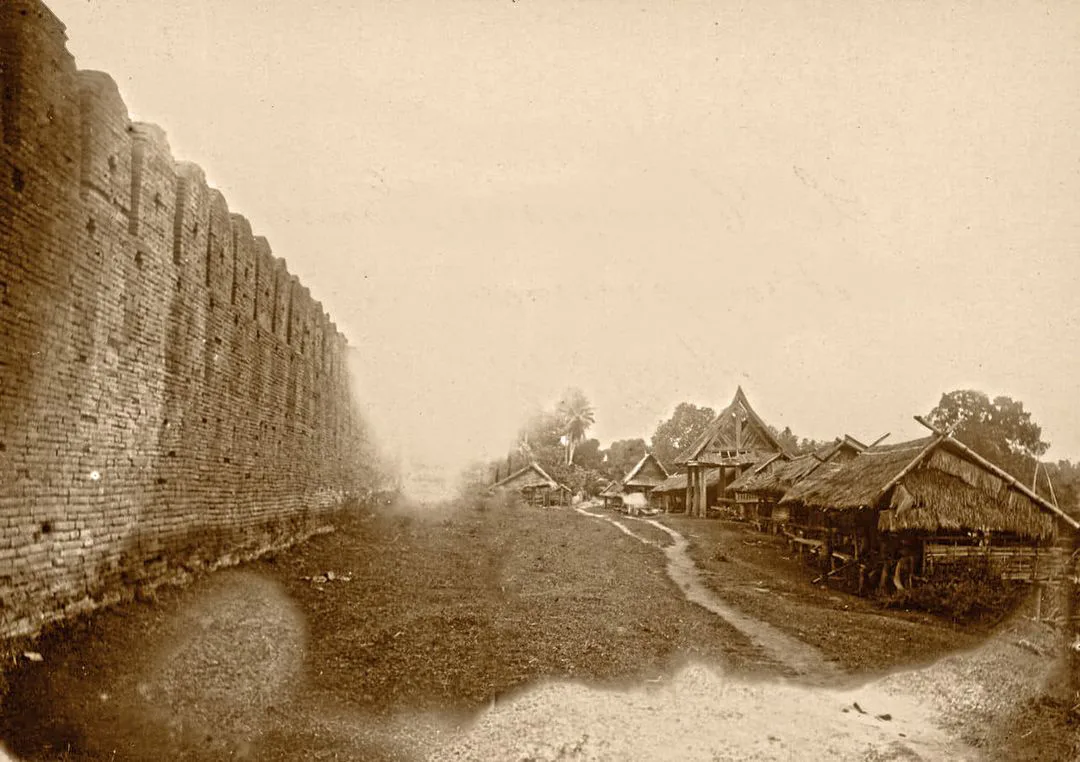
With the rise of the Rattanakosin kingdom, Nan’s rulers pledged allegiance to King Rama I and remained a cherished vassal of Siam. The old principality kept its own court until 1931, when the last hereditary ruler, Chao Maha Phrom Surathada, died and Nan was folded fully into the modern province. The city walls, teak houses, and temple compounds stayed.
That heritage is still something you can walk into. At Wat Phumin, late-nineteenth-century Tai Lue murals include the famous couple Pu Man and Ya Man — a young man leaning in to whisper to the woman beside him, the image Nan now treats as its own. Across the river, the gilded chedi of Wat Phra That Chae Haeng still watches the valley from the hill chosen in those founding years. Beyond the old town, the road to Pua and Doi Phu Kha climbs through pine, rice terraces, and winter seas of mist. Rent a bicycle in the old town, roll past the teak houses, stop for a bowl of local khao soi, and reach Wat Phumin as the light turns warm.
03
Top Attractions
Temples, misty ridges, salt wells, and slow-life valleys — places that shape a Nan journey, listed A to Z.
A quiet mountain village wrapped in mist, pine, and a clear stream that runs through daily life. Homestays, slow mornings, and cafe terraces make this the classic Bo Kluea pause — less a checklist stop than a place to breathe.
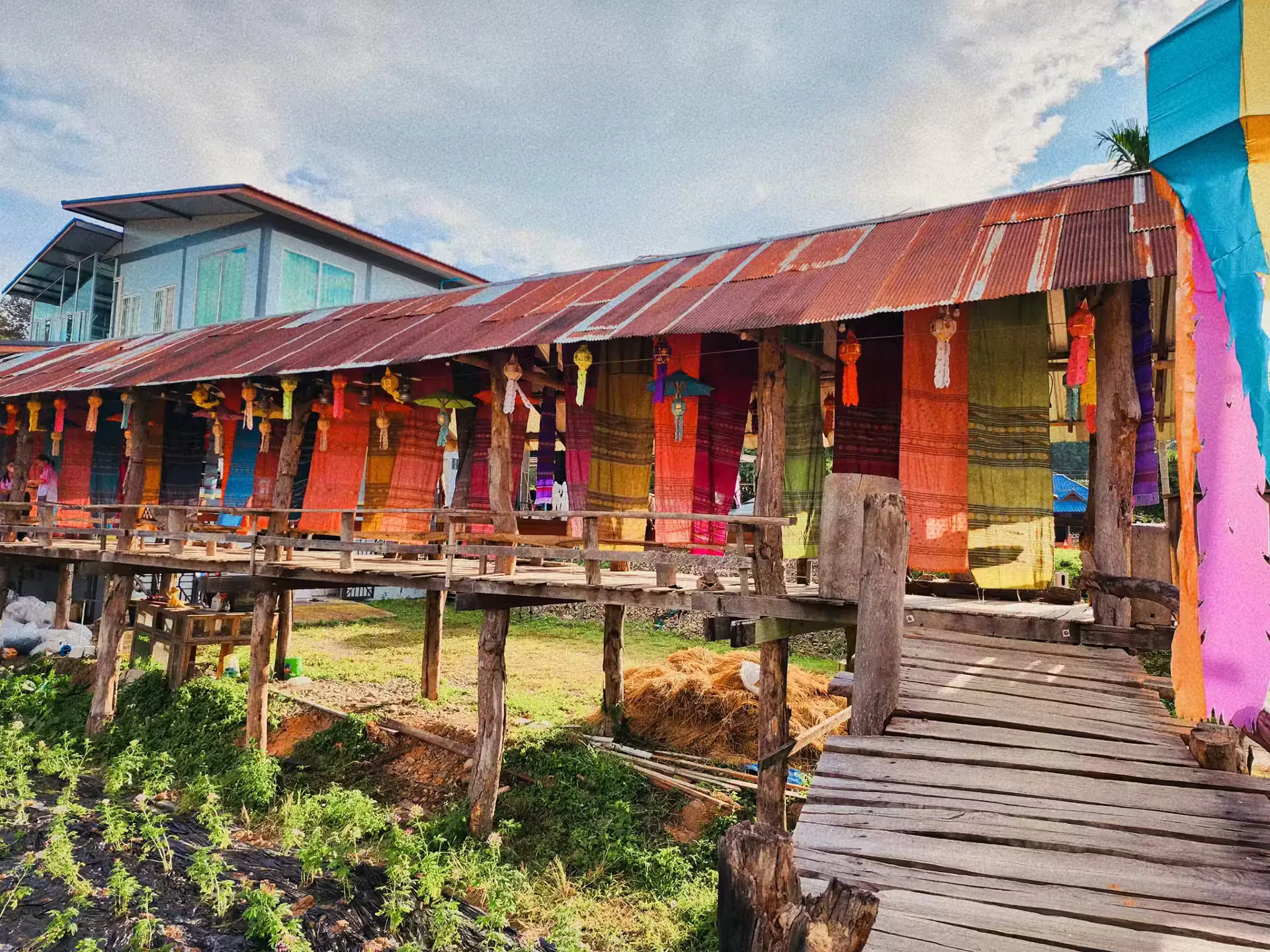
A landmark cafe above emerald paddies in Silalang, with mountain ridges as the backdrop. Come for a simple drink and a wide northern valley view — one of Pua's favourite photo and slow-coffee stops.

Thailand's rare mountain salt wells, still worked with traditional methods. Watch brine drawn and boiled into crystals, then take a pouch of local salt home — living craft that gives the district its name.
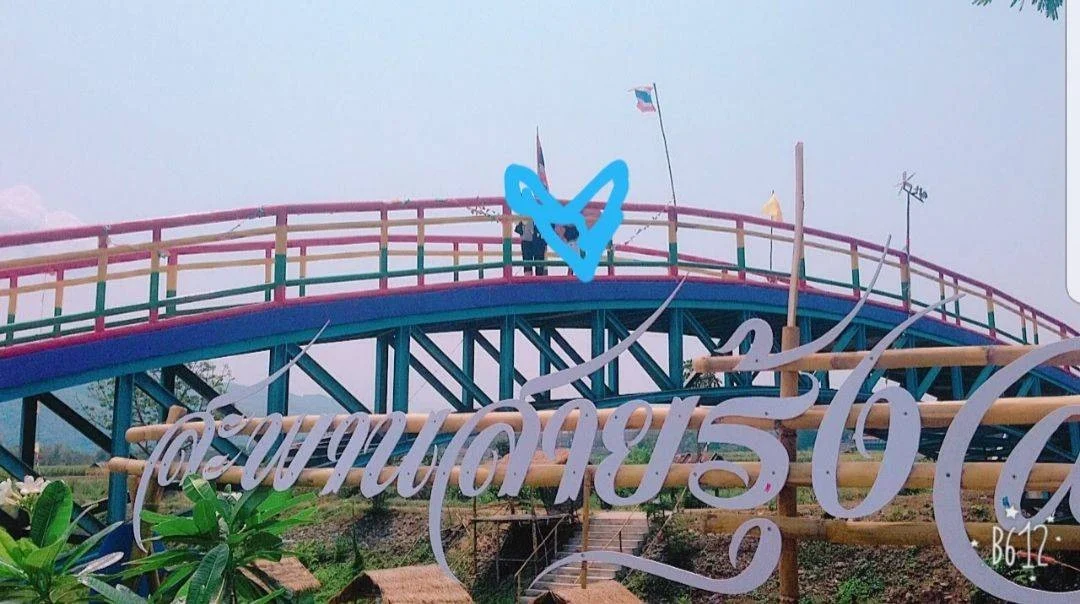
A playful bamboo-and-colour walkway over green rice fields. Best when the paddies are lush or turning gold — light, cheerful, and made for unhurried photos.

A famous highland bend that, from above, traces a clean figure-three through the forested valley. Drivers, riders, and photographers stop for the curve, the drop, and the layered ridges beyond.
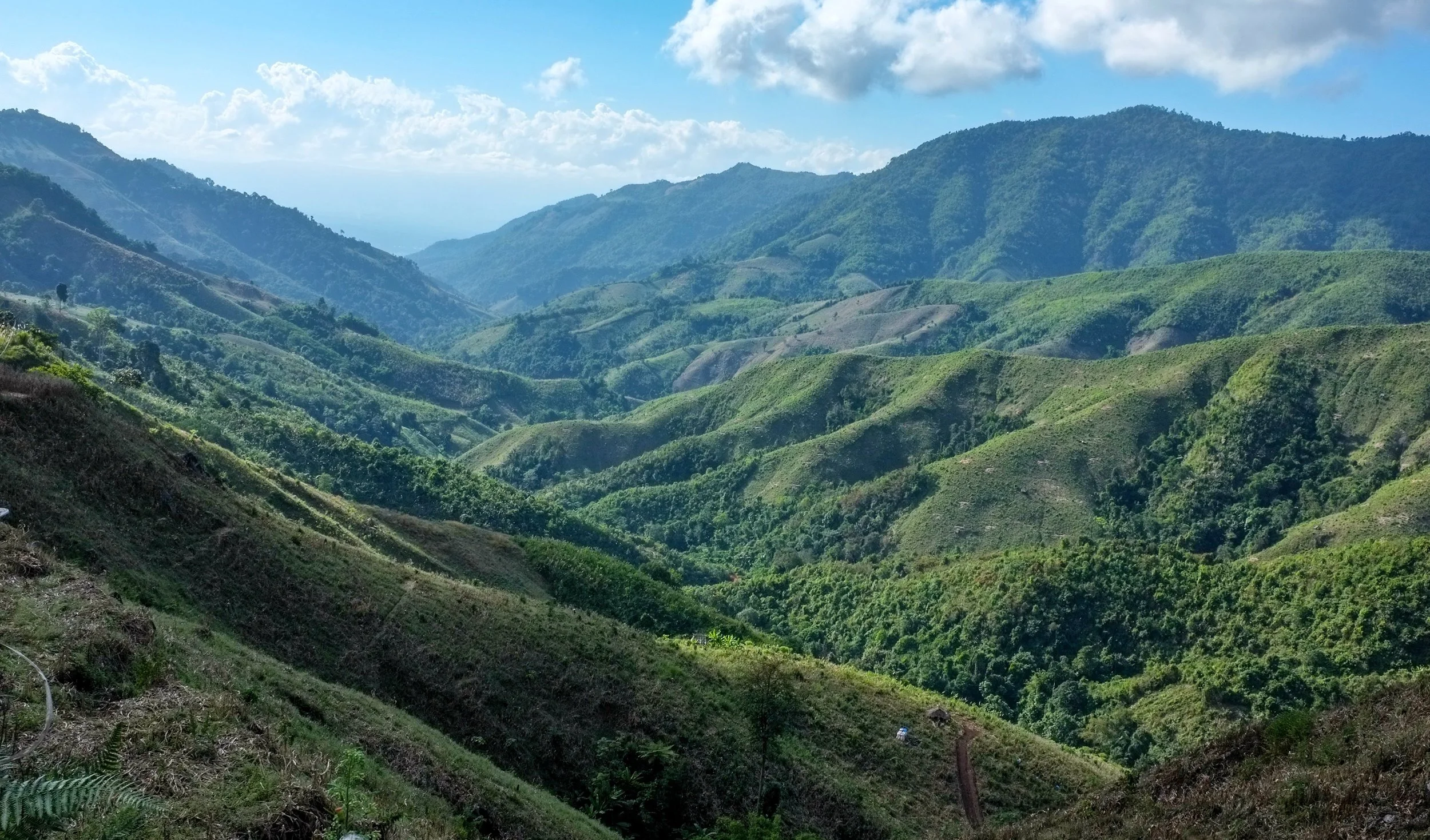
Nan's great highland park — pine ridges, cool air, and the rare Chomphu Phu Kha flower that blooms around February. Sea-of-mist mornings and forest trails make this the province's nature heart.
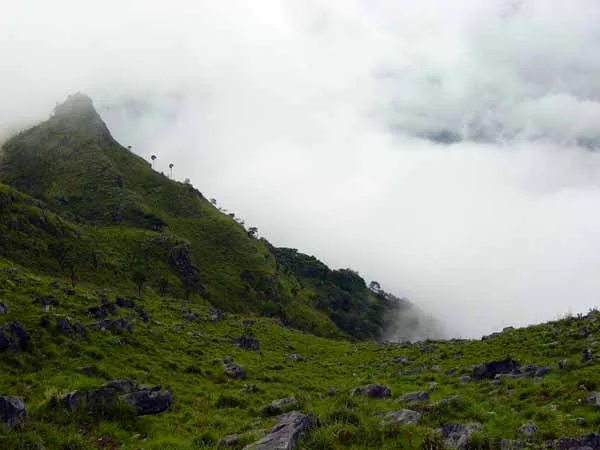
A 360-degree highland lookout for hikers and campers — pine and mixed forest, cool wind, and winter mist. Come for sunrise, stars, and the quiet edge of Nan's eastern mountains.
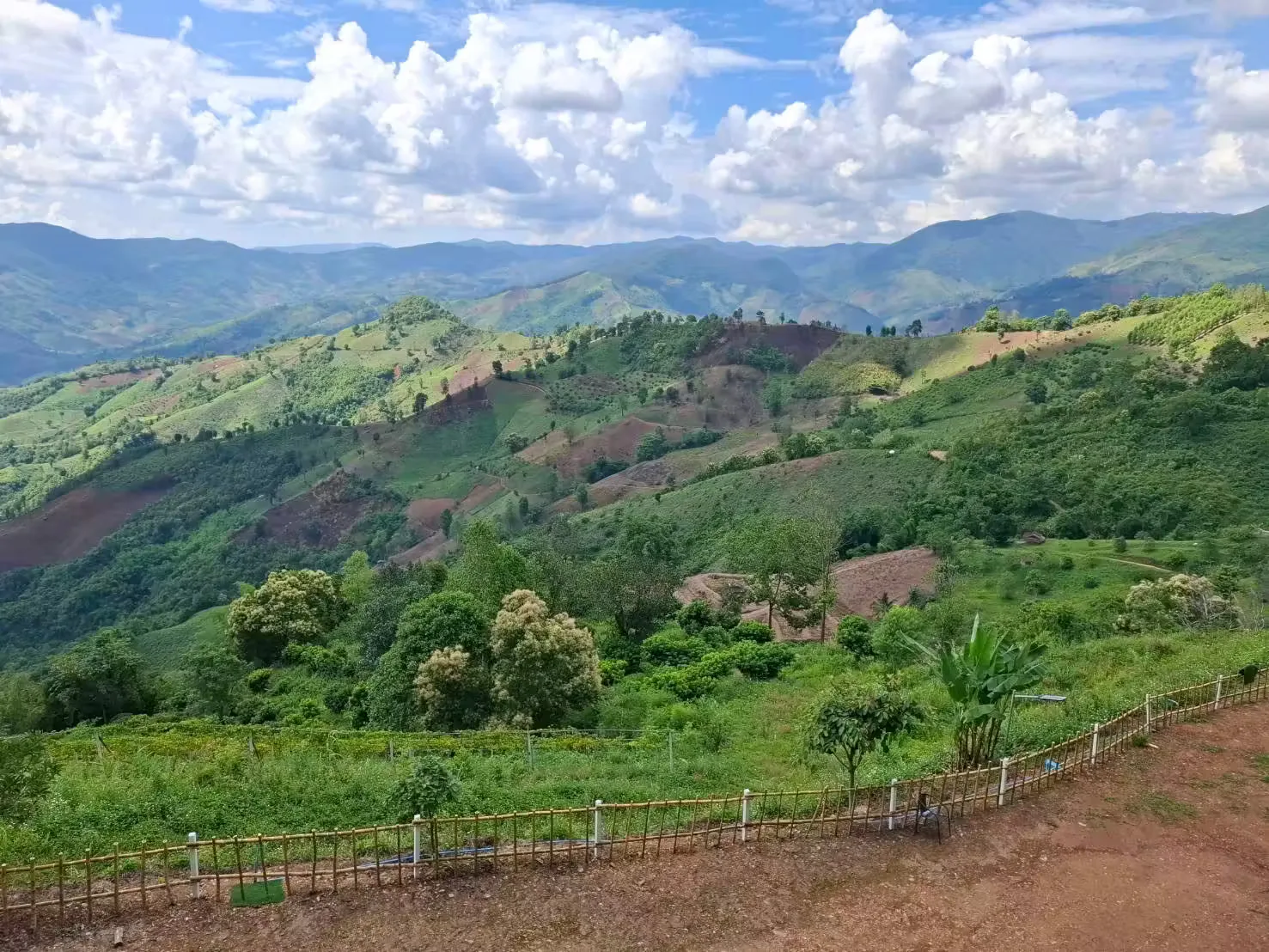
A Lawa hill community above Pua, known for misty slopes, makhwaen spice gardens, and Assam tea country. Fresh coffee with a mountain panorama is the local ritual.
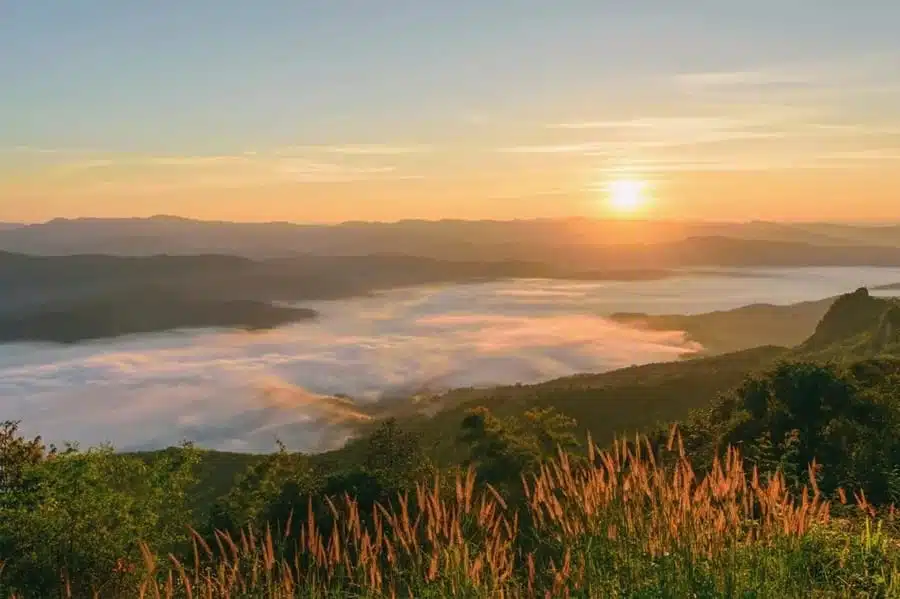
A broad ridge in Si Nan National Park made for camping under clear night skies. November to February brings the classic sea of mist at dawn — one of Nan's most loved highland mornings.
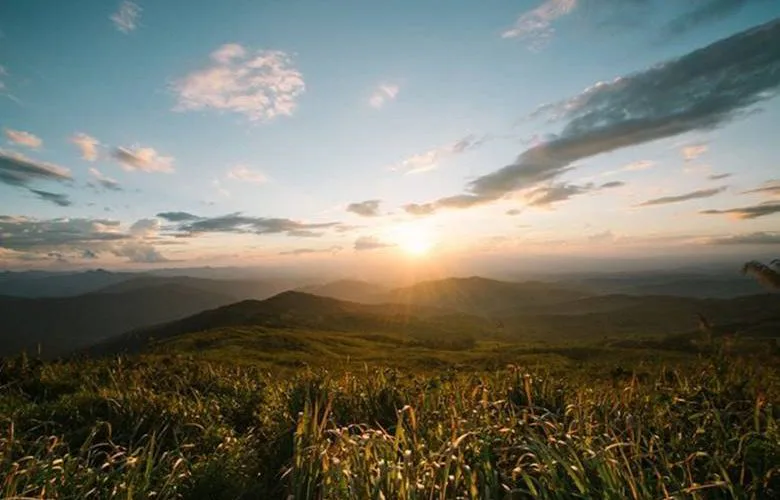
A quieter Pua ridgeline for tents, stars, and soft morning fog. Fewer crowds than the big-name peaks, with rolling mountain layers that feel wild and close.
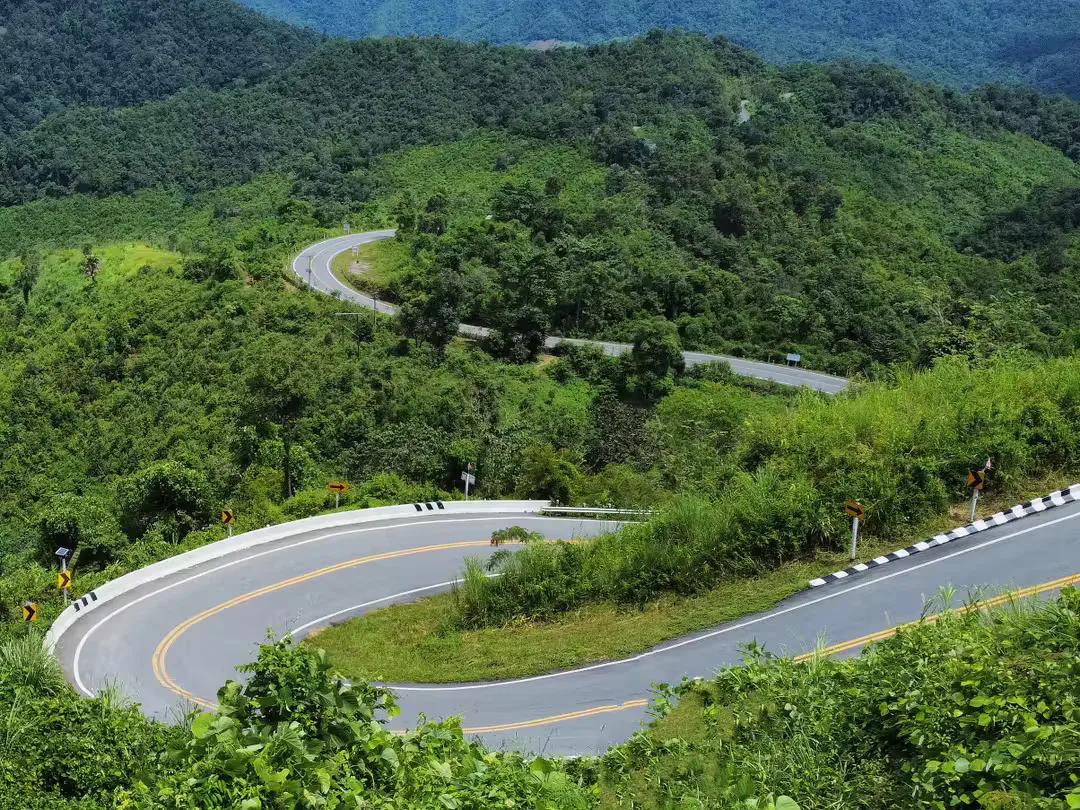
Khong Phap Pha — a mountain road that folds like stacked cloth when seen from above. One of Nan's signature photo bends on the climb toward Bo Kluea.

A roadside lookout near the Doi Phu Kha route, marked by its playful sign and heart-shaped mountain lines. Soft light and cool breeze — easy romance for couples and solo travellers alike.
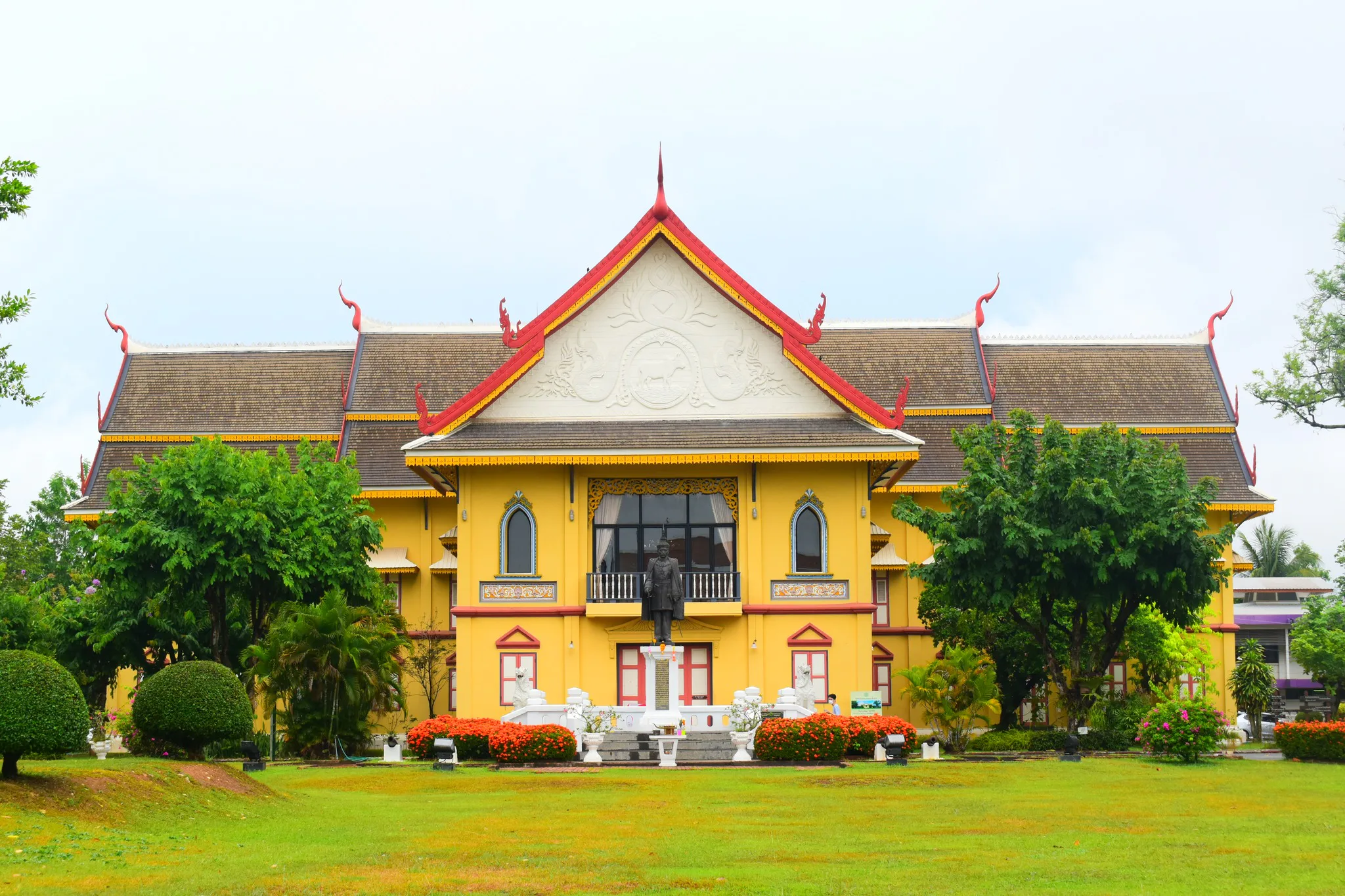
The former palace of Nan's rulers, now the provincial museum of history and art. When the plumeria arches bloom, the courtyard becomes one of the city's most graceful photo moments.
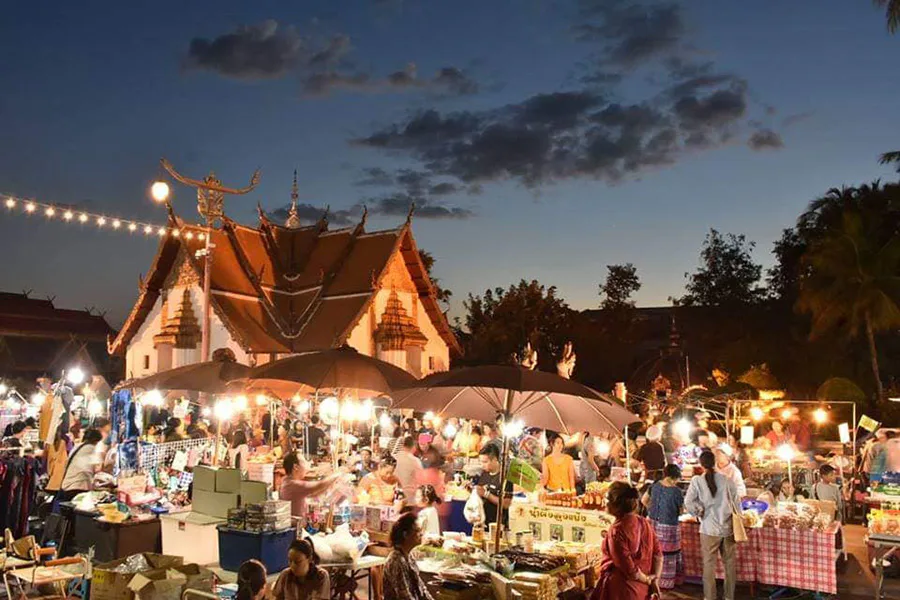
Kad Khuang Mueang — Friday to Sunday evenings beside Wat Phumin. Local snacks, handwoven goods, and soft Lanna music: the easiest way to taste the town after dark.
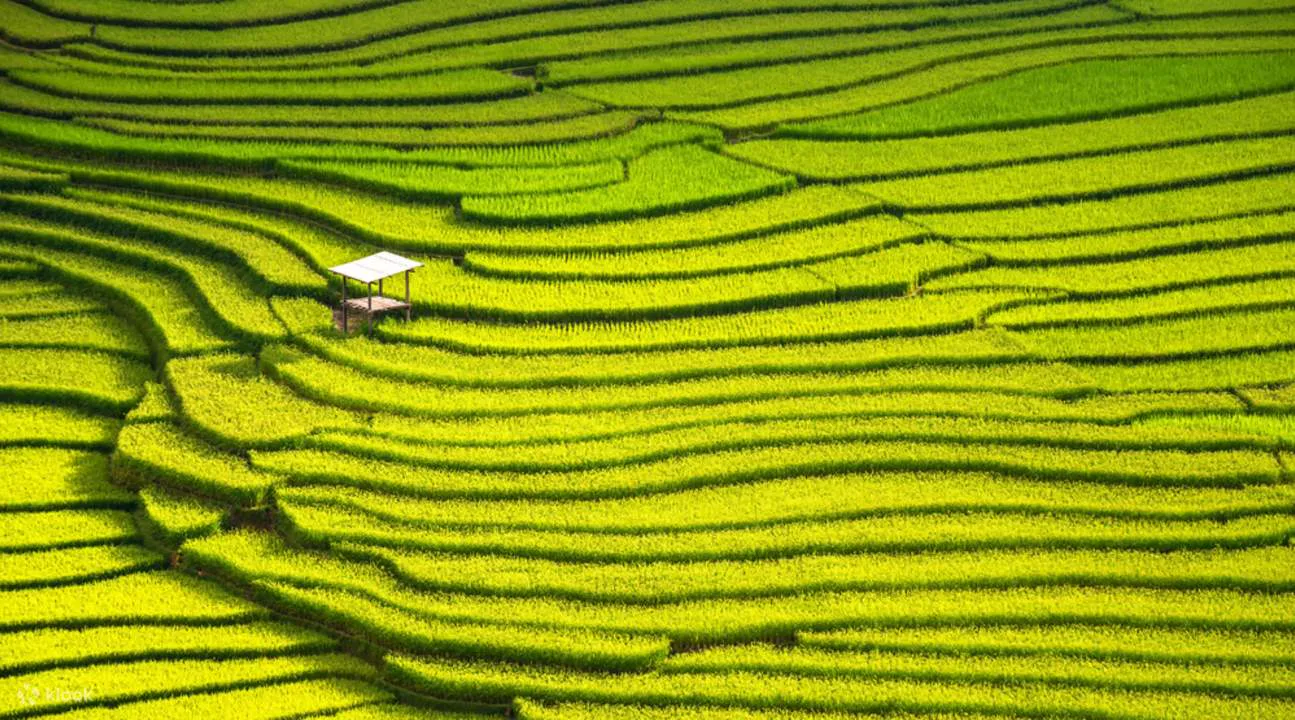
Stepped paddies shaped through a royal development project in the hills of Pua. Come in the rains for deep green, or in cool season when the grain turns soft gold.
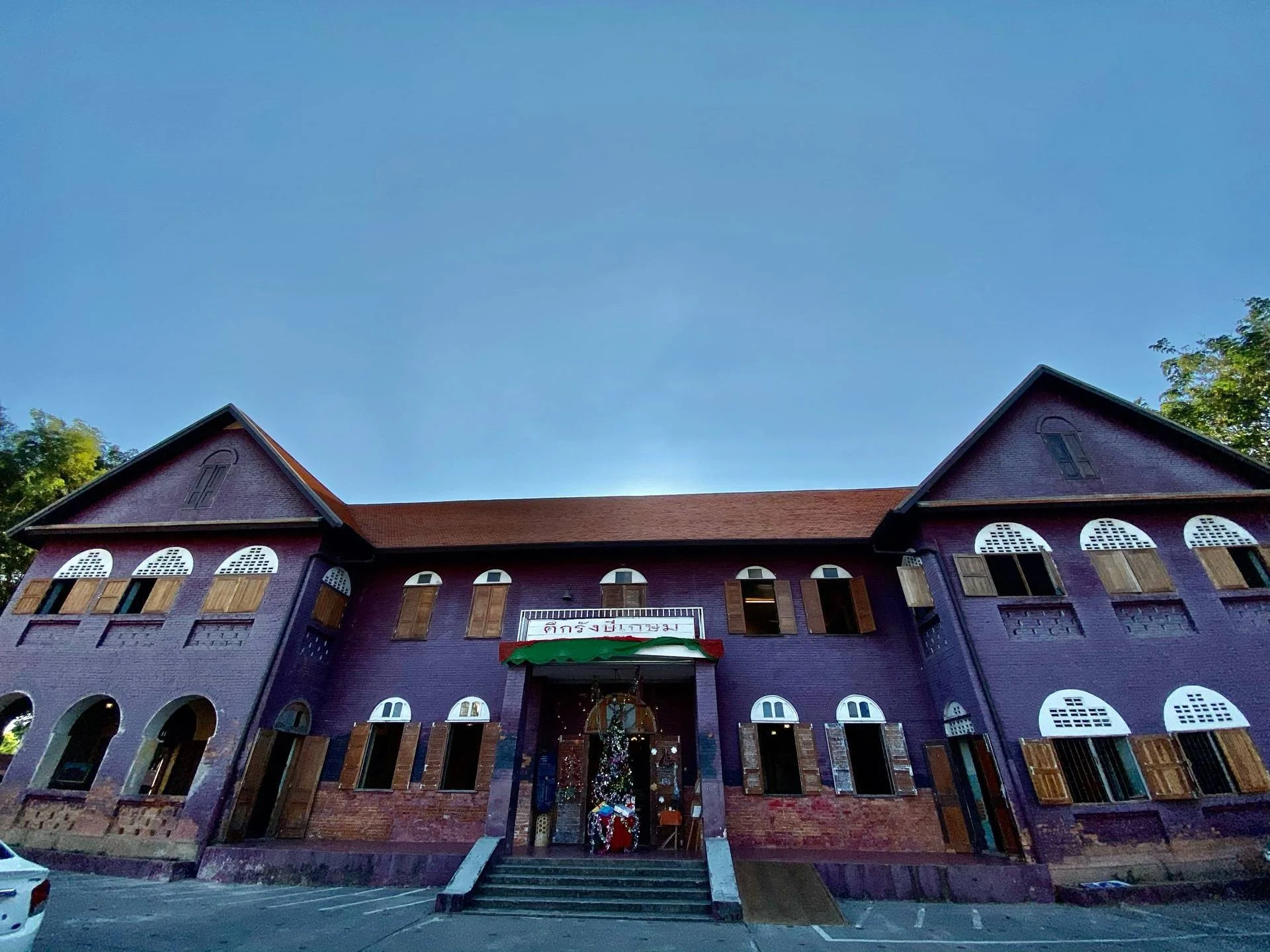
A century-old colonial schoolhouse raised by early missionaries, later known as Rangsi Kasem. Western timber architecture in the old town — quiet, photogenic, and full of Nan's modern-education story.
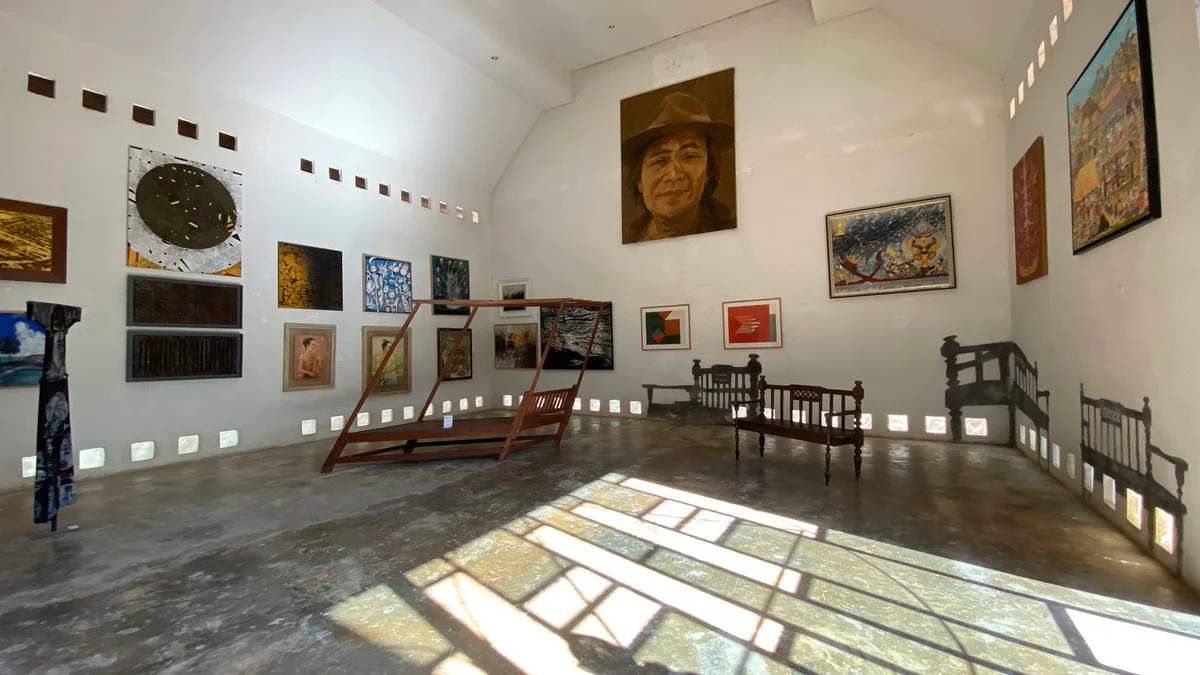
Artist Winai Prabripoh's riverside gallery and sculpture garden on more than thirteen rai. Calm grounds, rotating shows, and one of Nan's most thoughtful creative spaces.
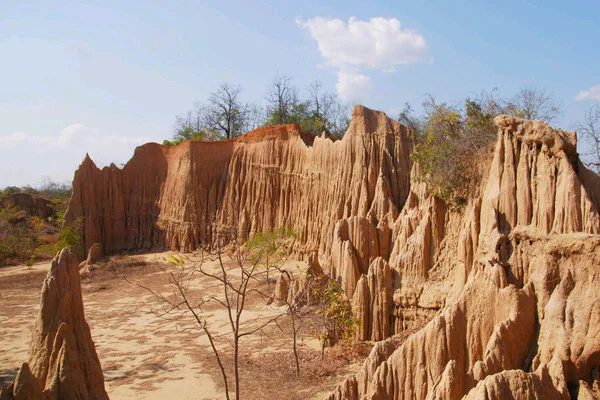
Also called Hom Chom — earth pillars carved by wind and water inside Si Nan National Park. A miniature canyon of red soil and strange forms, changing slowly with every rainy season.
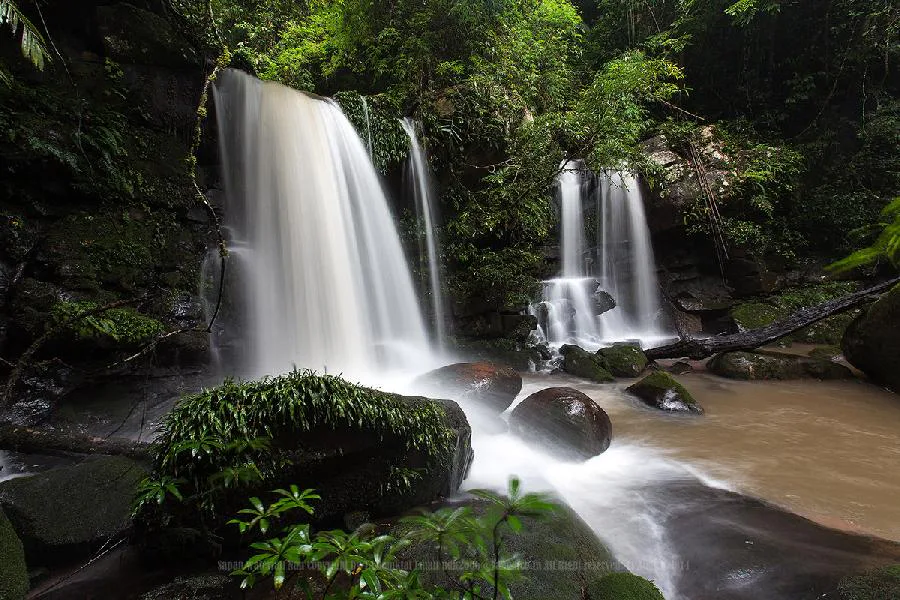
A mid-sized cascade of about three tiers that keeps flowing through the year. Leafy shade, cool spray, and an easy nature stop near Ban Sapan.

A farmstay and learning ground in Silaphet where visitors can stay close to the paddies and northern farming life. Pair it with nearby Ban Tai Lue Cafe for a full valley afternoon.
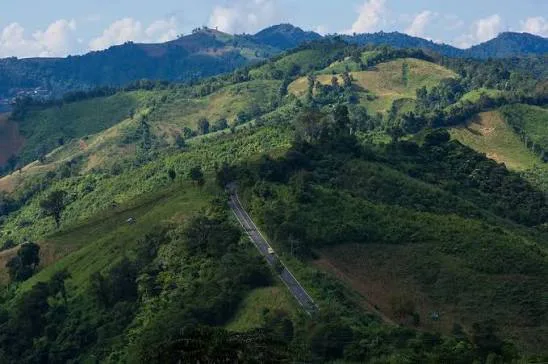
Nan's legendary highland drives — ribbons of road floating above valleys and pine. The journey itself is the attraction; stop often, drive gently, and let the ridges do the talking.
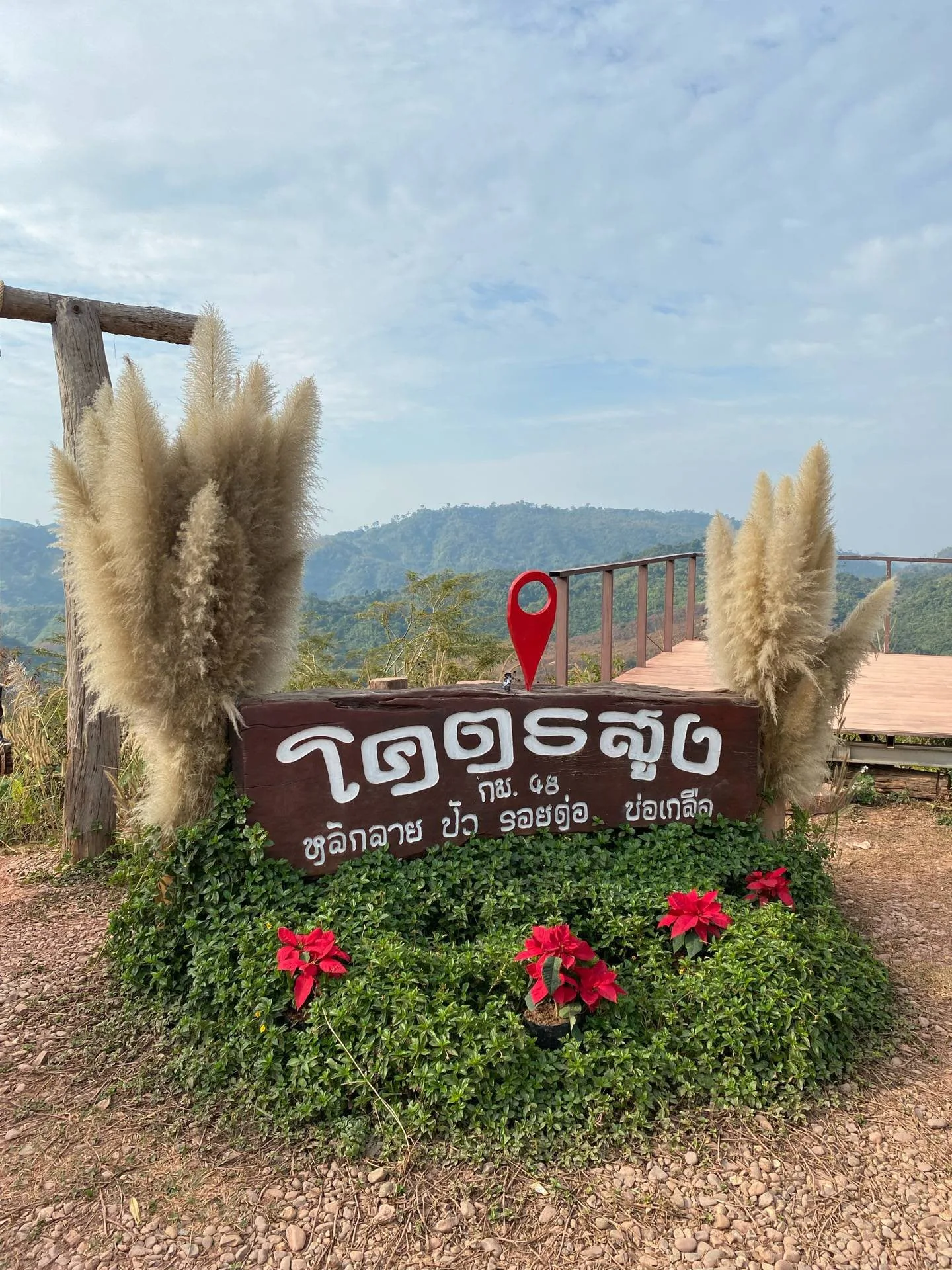
A wide pull-off around kilometre 48 with sweeping layered peaks. Cool-season mornings often bring mist between the ridges — a favourite pause on the Bo Kluea run.

White-water runs on the Wa River inside Mae Charim National Park, among Thailand's best-known rafting routes. Gentle in the dry months, livelier after the rains — always with local guides.
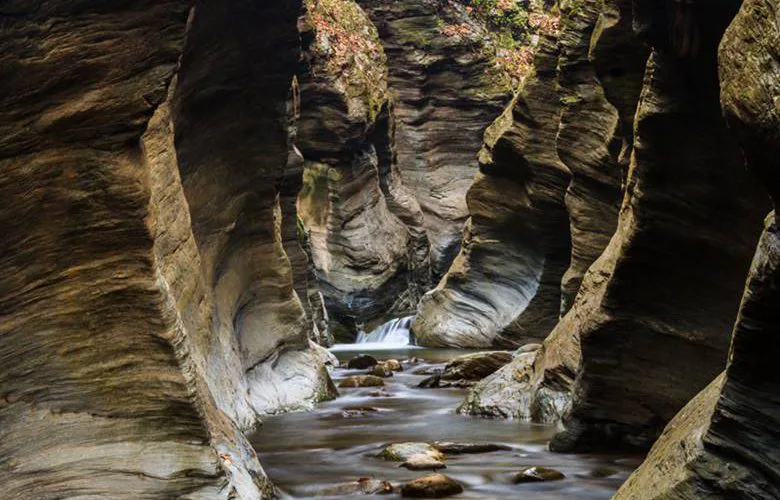
A natural rock canyon shaped by swirling water — part waterfall, part sculpted stone. One of Pua's most unusual geological walks, best after rain when the stream still sings.

Home of Nan's city pillar, revived from a neglected site into a luminous Lanna-contemporary ubosot. Architecture and quiet devotion in the heart of town.
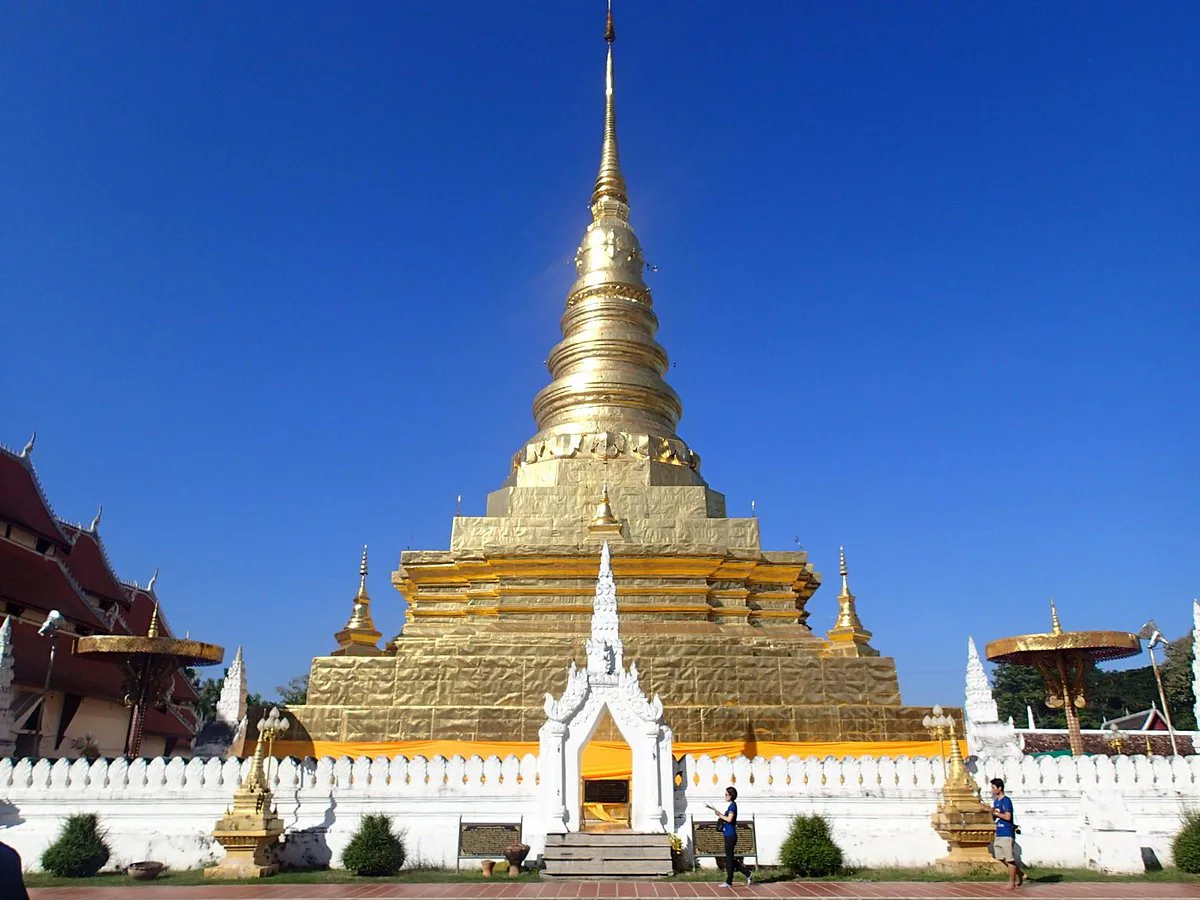
Nan's sacred golden chedi on the hill east of the river, rooted in the 14th-century founding era. Come for blessings, Lanna lines, and the annual homage festival around February or early March.

Once the royal temple at the centre of old Nan, with a chedi ringed by half-body elephants — Chang Kham — echoing Sukhothai's elephant-supported stupas. Essential old-town heritage.
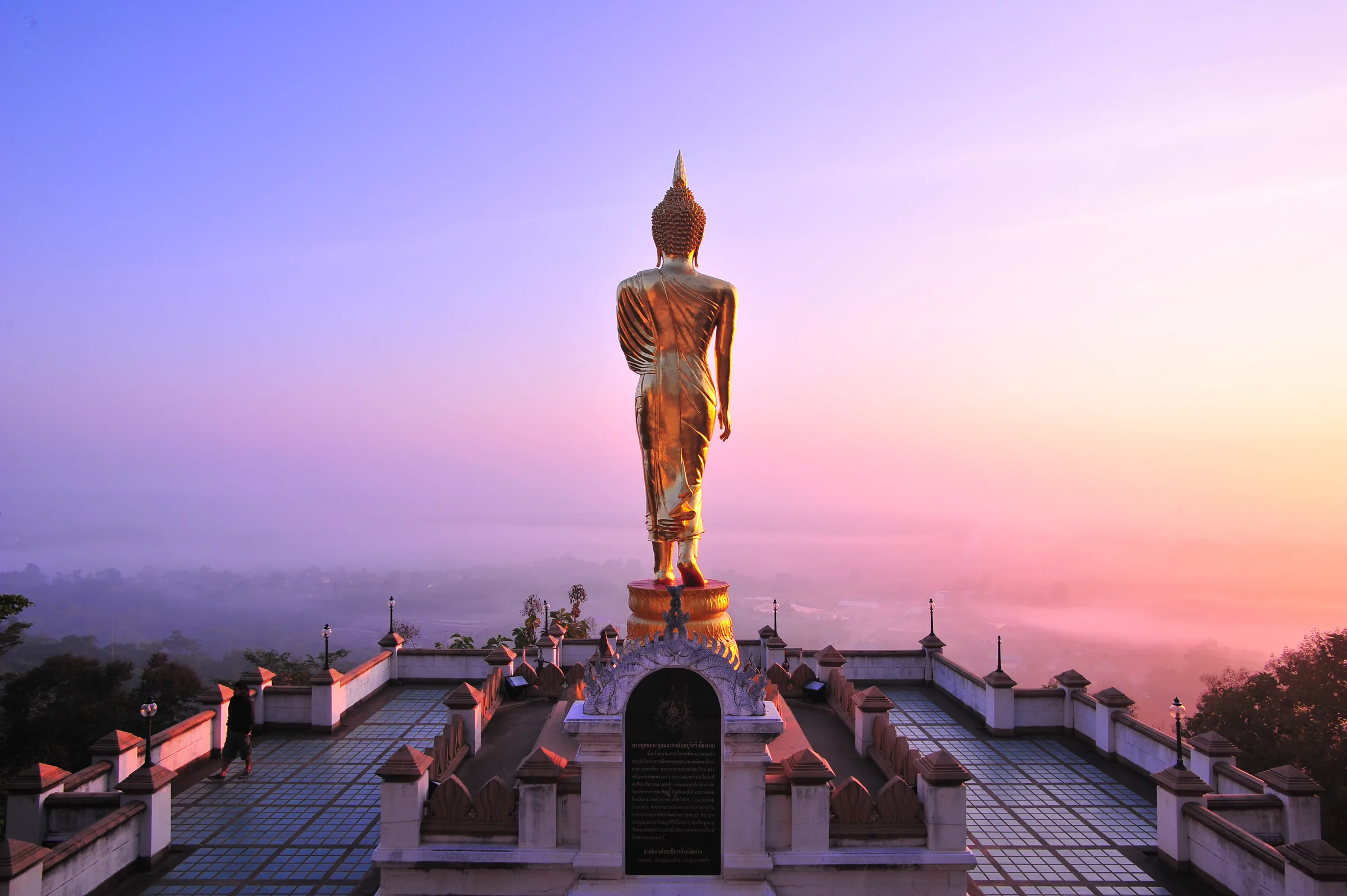
A hilltop chedi west of town with one of the finest panoramas over Nan city. Merit and mountain air in a single climb — go near sunset if the sky cooperates.
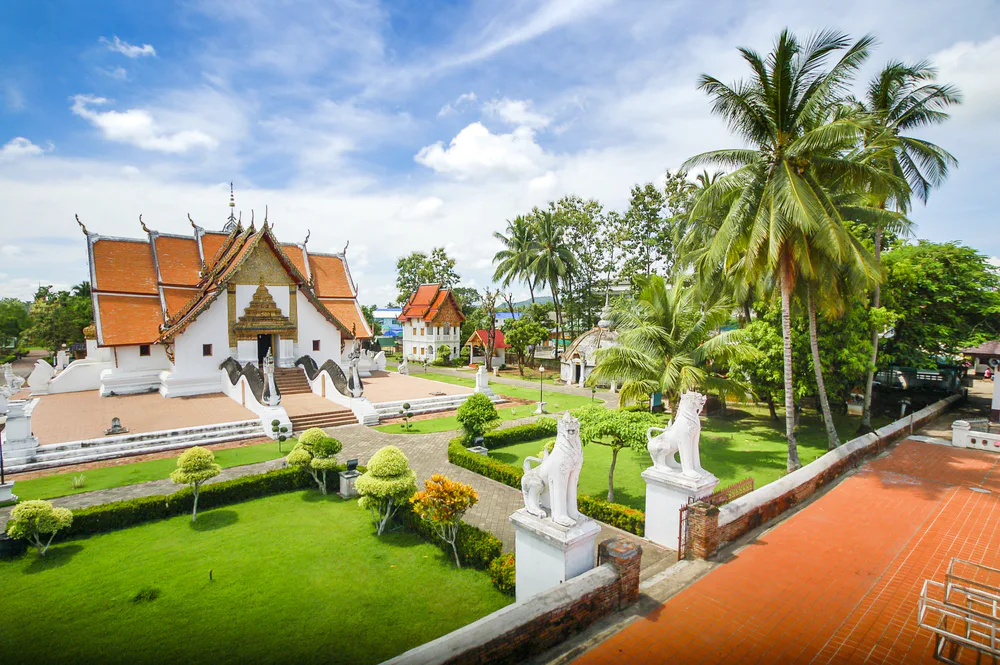
Nan's signature temple — a cruciform viharn whose Tai Lue murals include the famous whispering lovers, Pu Man and Ya Man. Architecture, faith, and the image that became the province's quiet icon.
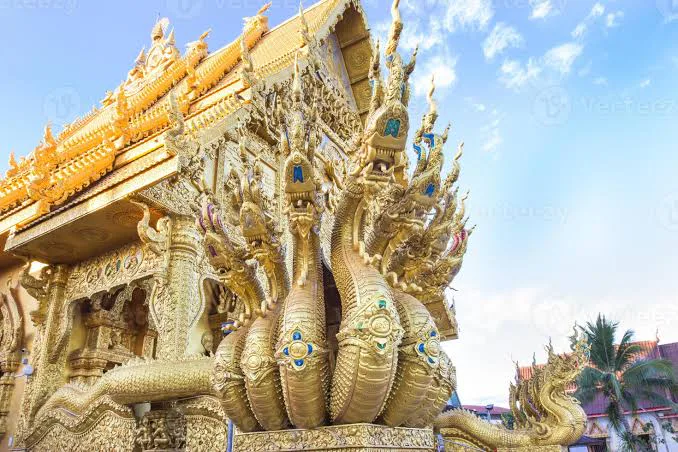
A local masterpiece of Nan plasterwork, guarded by seven-headed naga on the stair. Line murals retell the Buddha's life and Nan's founding legends — craft and story in one compound.
04
Local Flavours & Food
Nan eats with northern heat and highland calm — clear-broth noodle legends, Burmese-style khao soi, riverside gardens, Bo Kluea cafés, and sweets locals still queue for. The tables below are listed A to Z.
Where to Eat
Northern heat, riverside breezes, Ban Sapan cafés, and old-town bowls — listed A to Z.
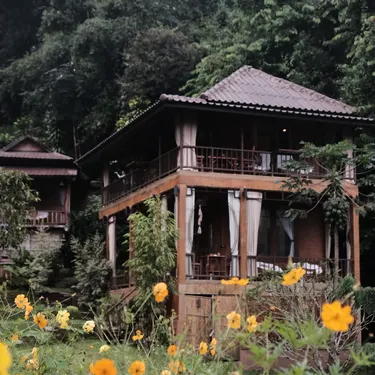
The restaurant at Boklua View Resort — highland air, community ingredients, and northern–Thai plates after a day among the salt wells and mountain roads.
Come hungry for local flavours with a cool Bo Kluea backdrop.
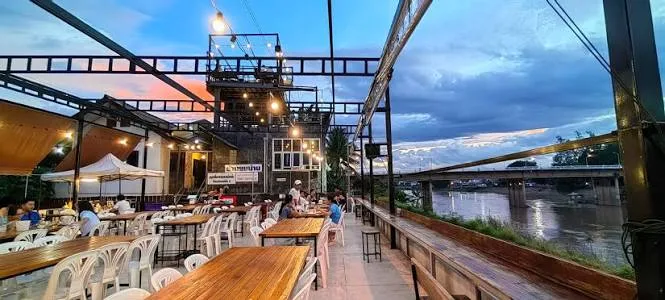
A riverside café-bistro in town for drinks, sweets, and easy dinner plates as the Nan River softens at dusk.
Arrive before sunset if you want the light; stay for the calm after the heat leaves the streets.

A Nan favourite for giant pork-bone noodles in a deep clear broth — with noodles that nod to khao soi in shape, served clear or tom yum.
Go for lunch; this is the kind of bowl travellers still talk about on the drive home.

A polished in-town table mixing Thai and Western plates with a full drinks board — relaxed, reliable, and built for a proper sit-down meal.
Useful when you want something beyond street bowls without leaving the city.

Nan’s legendary evening Chinese rice-porridge house — ฮั้วเลิศรส — where locals fill tables for steaming jok and a long à la carte board of Thai–Chinese plates.
Order salt-fried chicken wings, lime-steamed tilapia, or crispy enoki salad with your porridge; come hungry after temple hours and expect a full room.

Bold Thai cooking in the Bo Kluea hills — tamarind-glazed fried tilapia and sour-spicy soups that locals name first.
A natural lunch stop when the mist roads and salt wells fill your day.
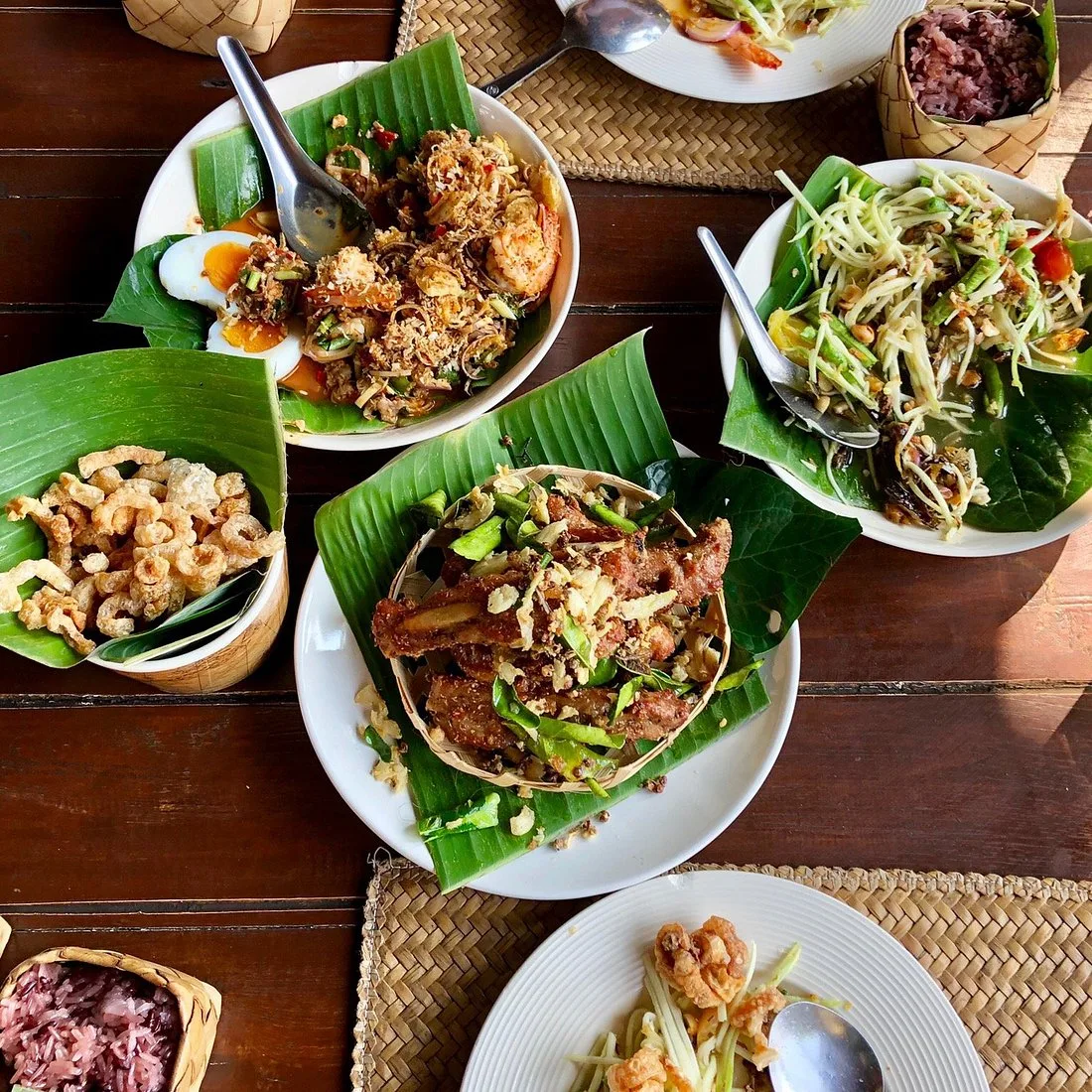
A wooden-house kitchen of northern and Isaan favourites — generous, honest, and priced for everyday Nan appetite.
Come for the highland plates and the easy local rhythm of an old-town meal.
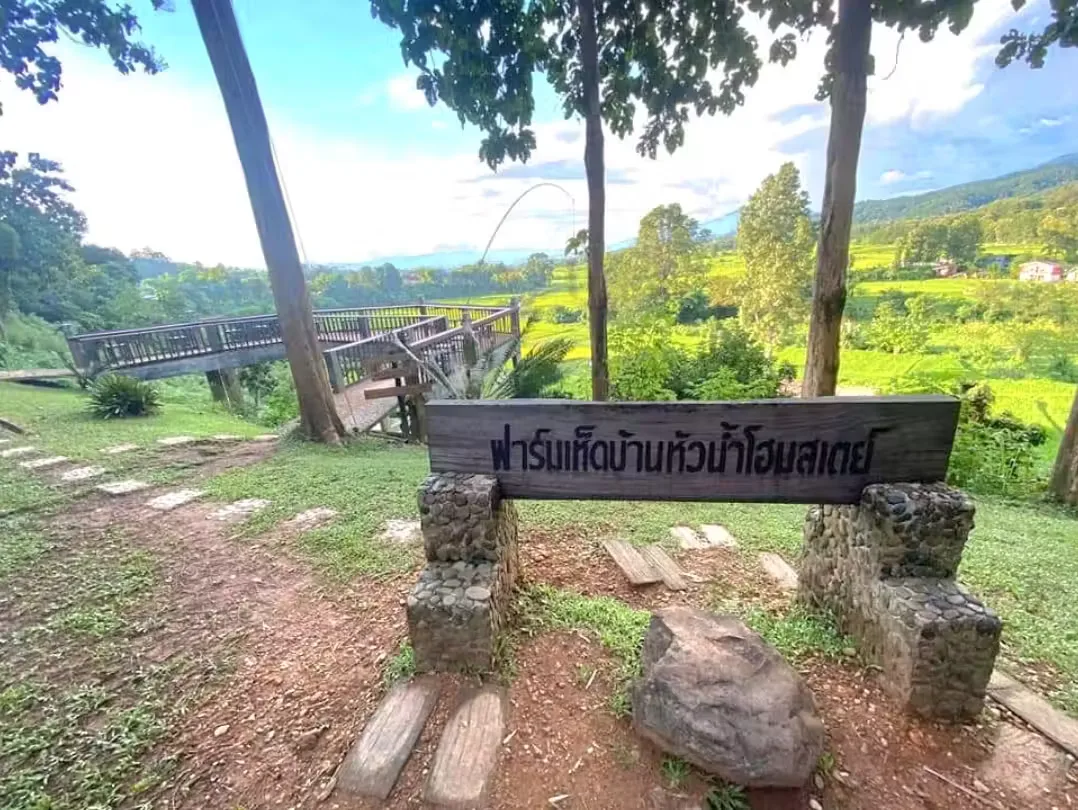
A Silalang farm café where mushrooms leave the beds for the table — pizza, coffee, and green-hill calm.
Pair it with a Pua valley loop; the air alone is worth the stop.

Northern recipes tied to Nan’s old ruling house, served beside the Nan River with a slow evening view.
Order the heritage northern set and let the water do the rest of the talking.
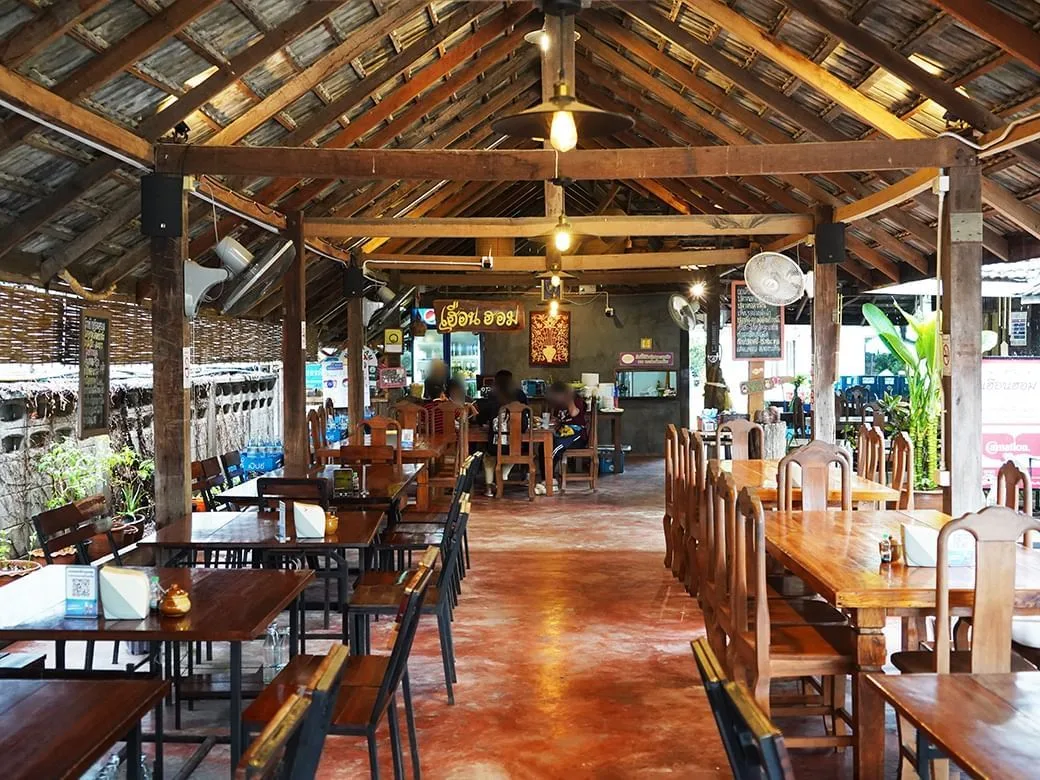
A classic northern table in town — and a sai ua that fans refuse to skip.
Share grilled northern sausage, dips, and sticky rice when you want Nan flavour without leaving the city grid.

Nan’s go-to khao soi — spice-forward coconut curry noodles in a hometown recipe that regulars defend with pride.
A short Suriyaphong Road pilgrimage for anyone chasing the north’s signature bowl.
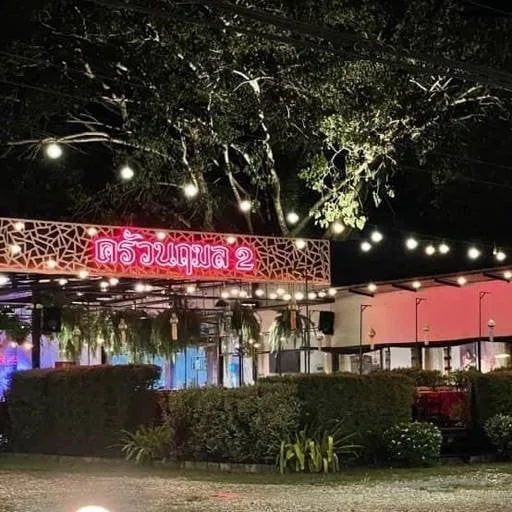
A long-loved Nan kitchen with branches including one near the airport — Thai and northern plates cooked the local way.
Handy before a flight or after landing, and still worth a deliberate town meal.
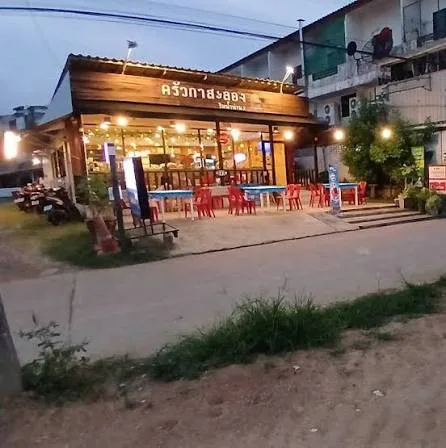
Homestyle northern and Thai riverside stalls — simple, local, and made for an evening breeze on the Nan.
Come hungry for street-feel plates without the fuss of a formal dining room.
A fish house with more than 150 Thai plates — freshwater and sea catch, bold seasoning, and easy parking.
Order fried or curried fish when you want a big shared table in town.

A Pua landmark for sharp northern heat and everyday Thai favourites — breezy seating, wide parking, and gentle prices.
The default lunch pin when your day runs through the rice terraces and Doi Phu Kha roads.
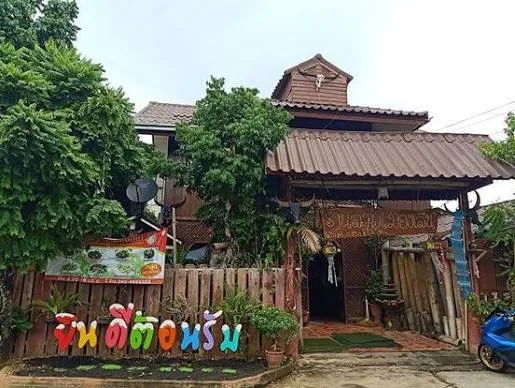
A morning northern grill house famous for dry-fried larb and grilled pork neck — arrive early; favourites sell out.
Locals treat this as a must; latecomers settle for whatever the wok still has.
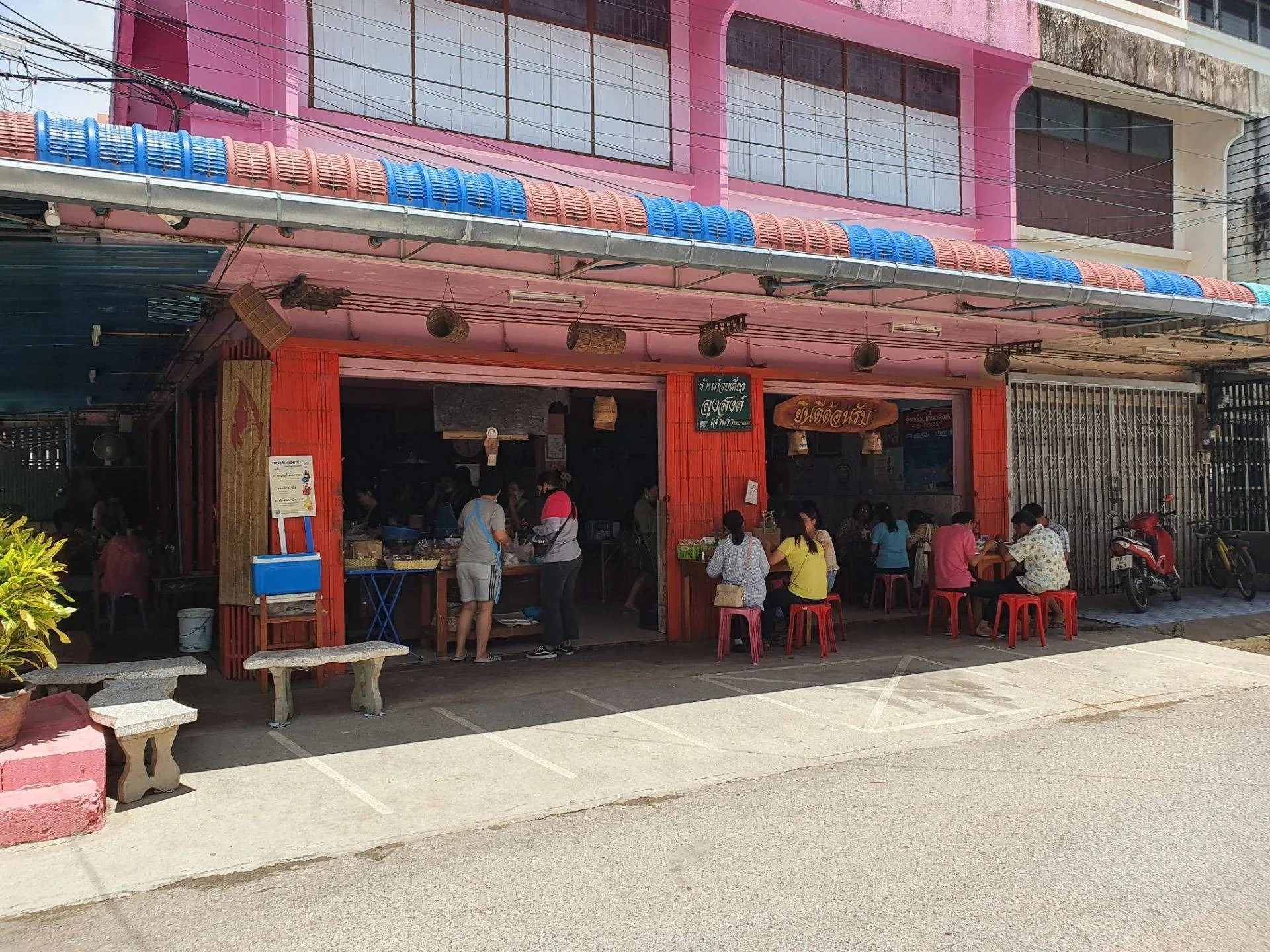
A fifty-year noodle legend — clear-broth pork or beef with a soup travellers still call unlike anywhere else.
One quiet bowl can explain why Nan locals send visitors here first.

Northern cooking in a traditional Lanna wooden house — don’t miss the Burmese-style khao soi, plus nam ngiao and other highland classics.
Open for lunch and dinner when you want atmosphere with the spice.

Nan’s sweet landmark — hot and cold Thai desserts from black sticky rice to fresh coconut ice cream, with egg bua loy as the house star.
Skip dessert here and locals will say you never really arrived.
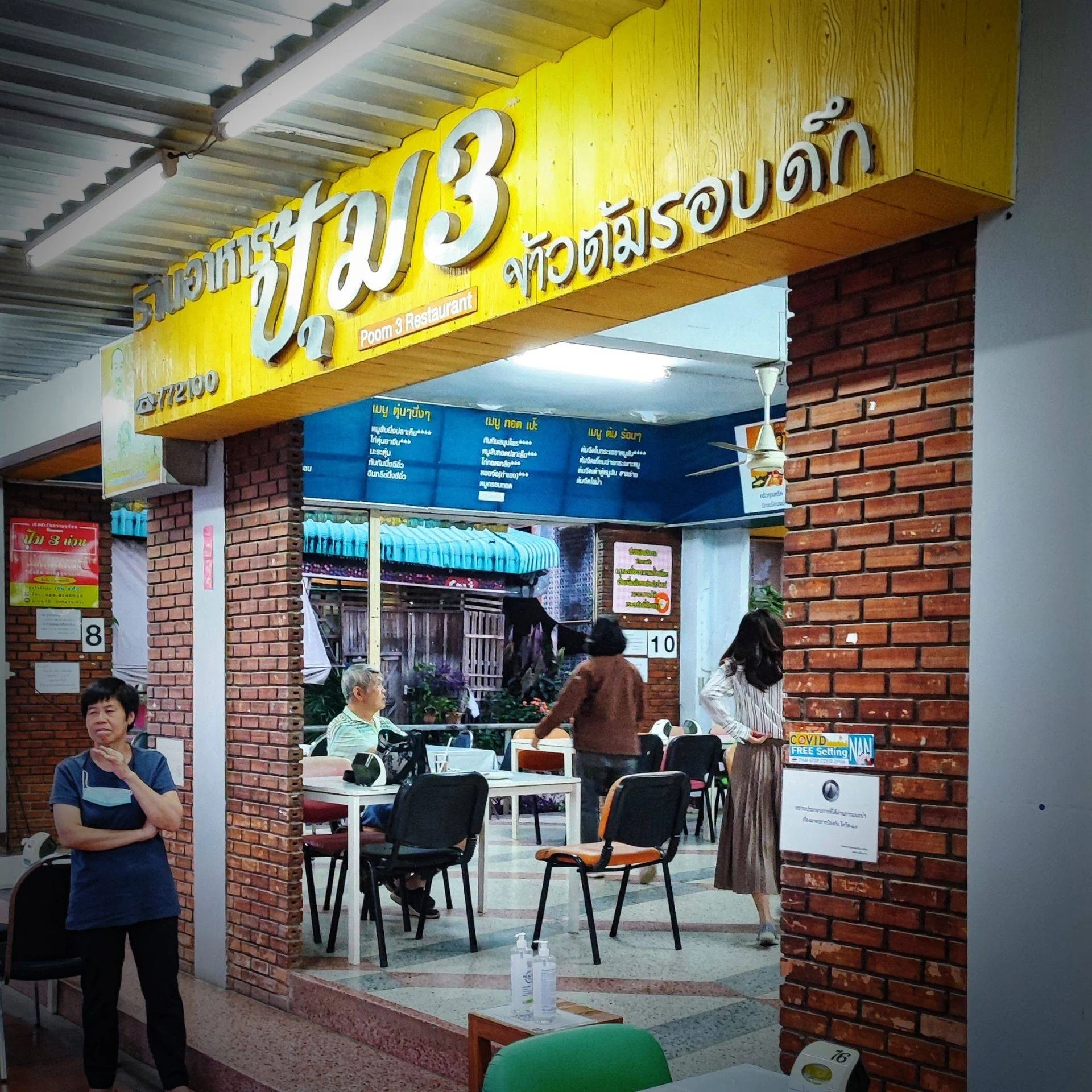
An old-town rice-porridge house for evening Thai–Chinese comfort — busy tables, long menus, and a fruity chicken massaman that regulars flag first.
Perfect after Walking Street when you want something warm and unfussy.
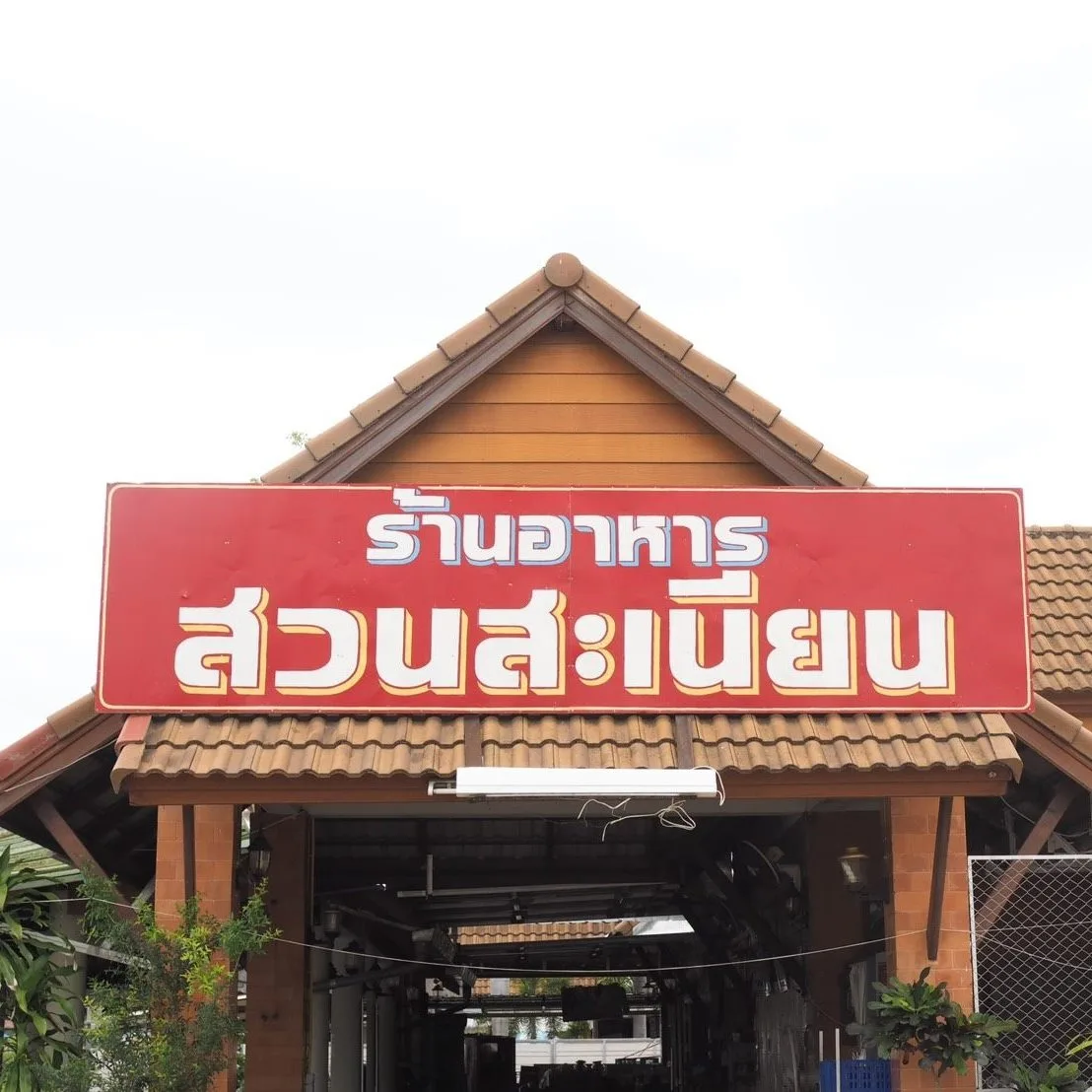
Northern plates with a Nan River view — a long-trusted city garden table for spice, sticky rice, and slow evenings.
Close the day here when you want highland flavour without leaving town.
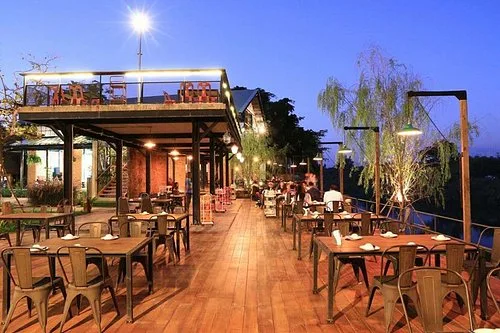
More than forty years beside the Nan — northern and Thai sharing plates under a riverside canopy.
A classic dinner garden when the temples are done and the river is still talking.
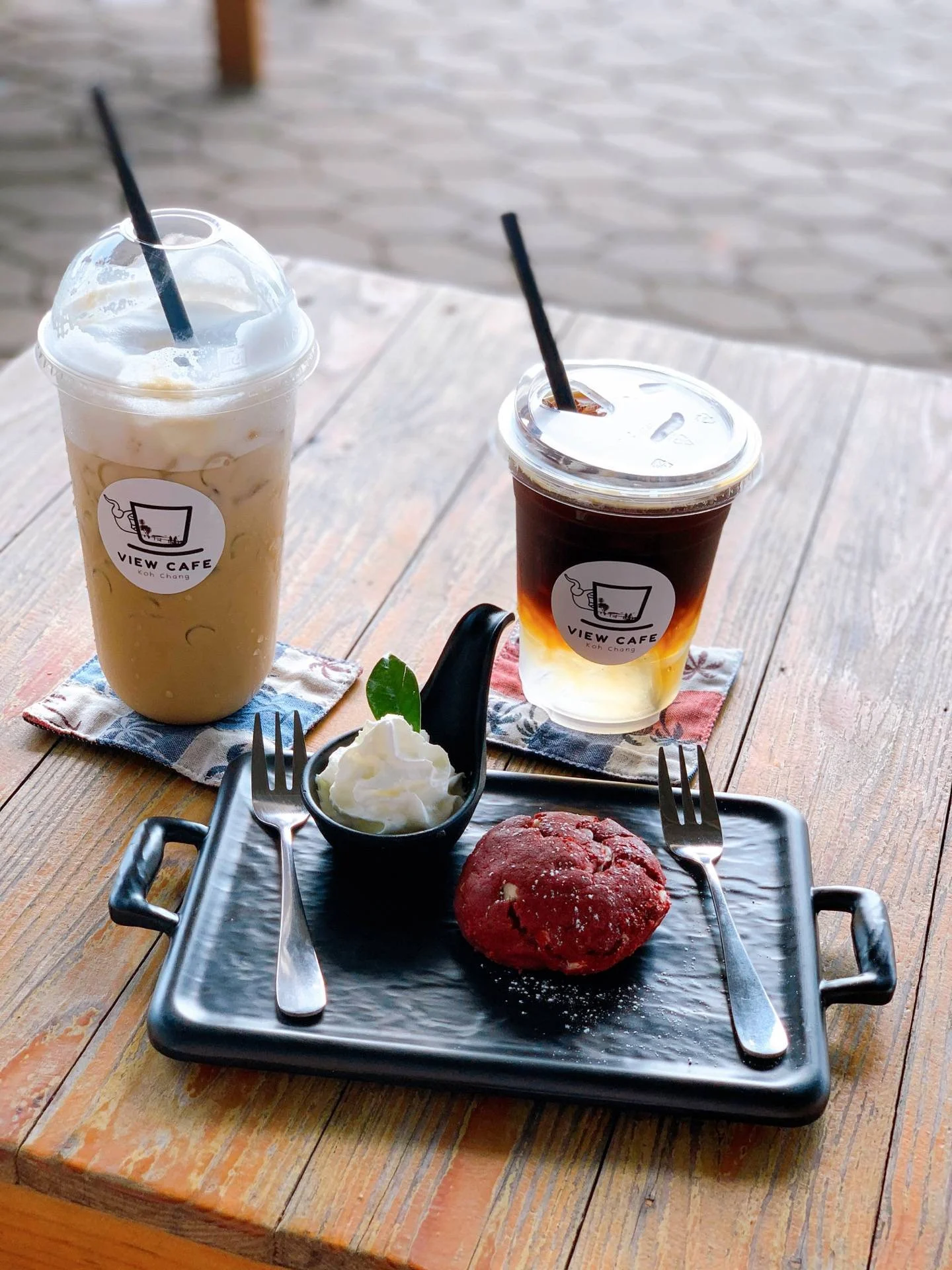
A café on the Wa River for coffee, sweets, and light bites wrapped in green quiet.
Worth the Wiang Sa detour when you want water, birdsong, and nowhere to rush.

A daytime curry shop with khao soi, pork satay, and kanom jeen nam ngiao beside the rice-and-curry trays.
Cheap, fast, and packed with northern flavour when you only have time for one plate.
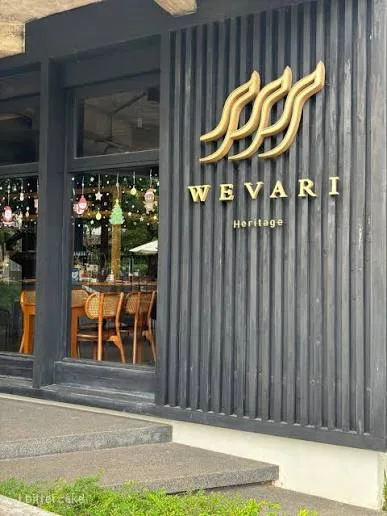
A riverside fusion house — Thai plates, sweets, and café drinks with photo-ready corners on the Nan.
Useful from breakfast through dinner when your highland loop needs a soft landing.

“Stop Time” in Ban Sapan — coffee facing endless rice and mountain layers.
Sit long, order little, and let the highland light finish the sentence.
05
Souvenirs from Nan
Mist roads, Tai Lue cloth, and Bo Kluea brine — Nan packs quietly into a bag. Bring home mountain salt, flowing-water textiles, valley peanuts, and highland coffee, then fill the last space with something from Walking Street or the OTOP centre before you fly.
06
Local Culture & Vibe
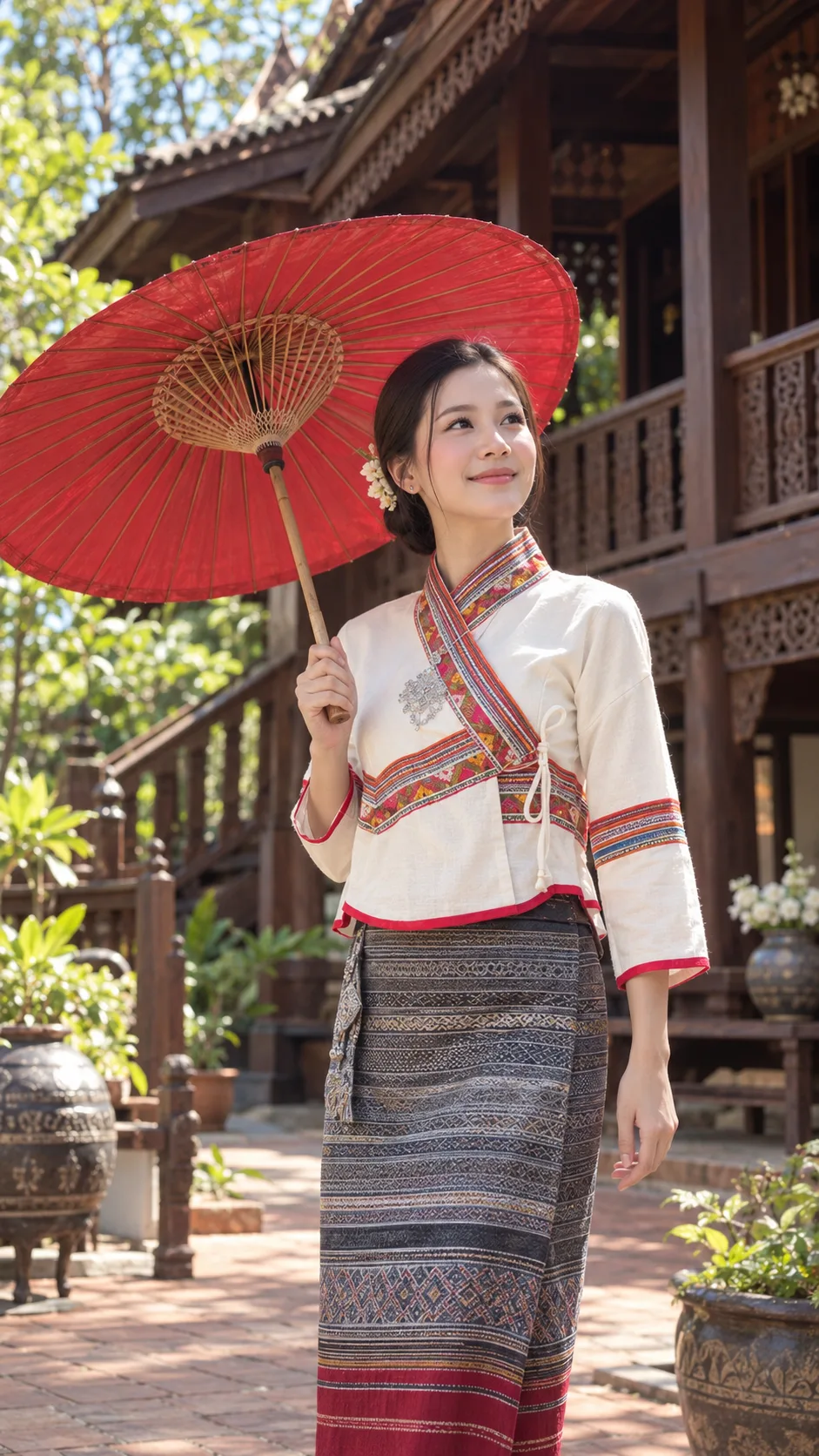
Nan’s culture is quieter than its mountains look. It lives in flowing-water weaves, silver worked by hand, and temple courtyards where Lanna faith still sets the morning. Tai Lue, Hmong, Mien, and Lua communities share the same valleys, each keeping dialect, dress, and ritual alive beside the Nan River.
Days move gently here — thick coffee, noodle steam, a bicycle past teak houses and paddies, then lantern light on Walking Street when the heat finally softens. Put the watch away for an evening; Nan is less a checklist than a pace you take home.
07
Travel Info & Getting There
How to reach Nan from Bangkok, and how to move around once you arrive.
Nan Nakhon Airport (NNT) is the easiest door — about 3 km north of the old town on Highway 101, so you can land and be among teak temples in under ten minutes. Thai AirAsia and Nok Air fly direct from Bangkok Don Mueang (DMK) in roughly 1 hour 15 minutes. Schedules are thinner than Chiang Mai’s, so book early in cool season; taxis and songthaews wait outside arrivals.
There is no passenger railway into Nan. The classic rail-and-road combo is the overnight or daytime train from Krung Thep Aphiwat Central Terminal to Den Chai Station in Phrae (about 7–8 hours), then a connecting minivan or bus onward to Nan Bus Terminal — another 1.5–2 hours through the hills. It takes longer than flying, but the northern line still earns the journey.
Overnight VIP coaches from Bangkok’s Mo Chit 2 (Chatuchak) are the budget favourite — about 670 km in roughly 9–11 hours, with most evening departures landing in Nan around dawn. Operators such as Sombat Tour, Nakhonchai Air, Bangkok Busline and Transport Co (999) work the route; book ahead for cool-season weekends. Coaches also link Nan with Chiang Mai, Phrae and neighbouring northern towns.
The old town is compact enough for walking and bicycle hire — temples, Walking Street and riverside tables sit close together. Grab works in Mueang Nan but thins out toward the hills. For Bo Kluea, Ban Sapan, Doi Phu Kha and the sky-road curves, rent a car if you are confident on mountain bends, or hire a local driver — those roads reward patience more than speed.
November to February is classic Nan: cool air, clear valley light, and sea-of-mist mornings on Doi Phu Kha and Doi Samer Dao. March to May still suits highland shade and quieter temple hours; late dry season can bring northern haze. May to September turns paddies deep green and softens the crowds on Routes 1081 and 1256 — pack a light jacket for mist nights year-round.
Continue the Journey