

Securing your space
Finding a home in Thailand without expensive mistakes
ThailandLover is an independent curator of Thailand. Most foreigners who move here start the same way: they rent a condo. A sleek high-rise in Bangkok, a greener building near Chiang Mai, or a sea-facing tower in Phuket — the brochure looks simple. The lease is not.
The order of a move is on Moving to Thailand. This page is the rental playbook foreigners rarely get told straight — then the ownership line: you can usually buy a freehold condo within the foreign quota; you generally cannot buy land or a freehold house-and-land package in your own name.
Rent first
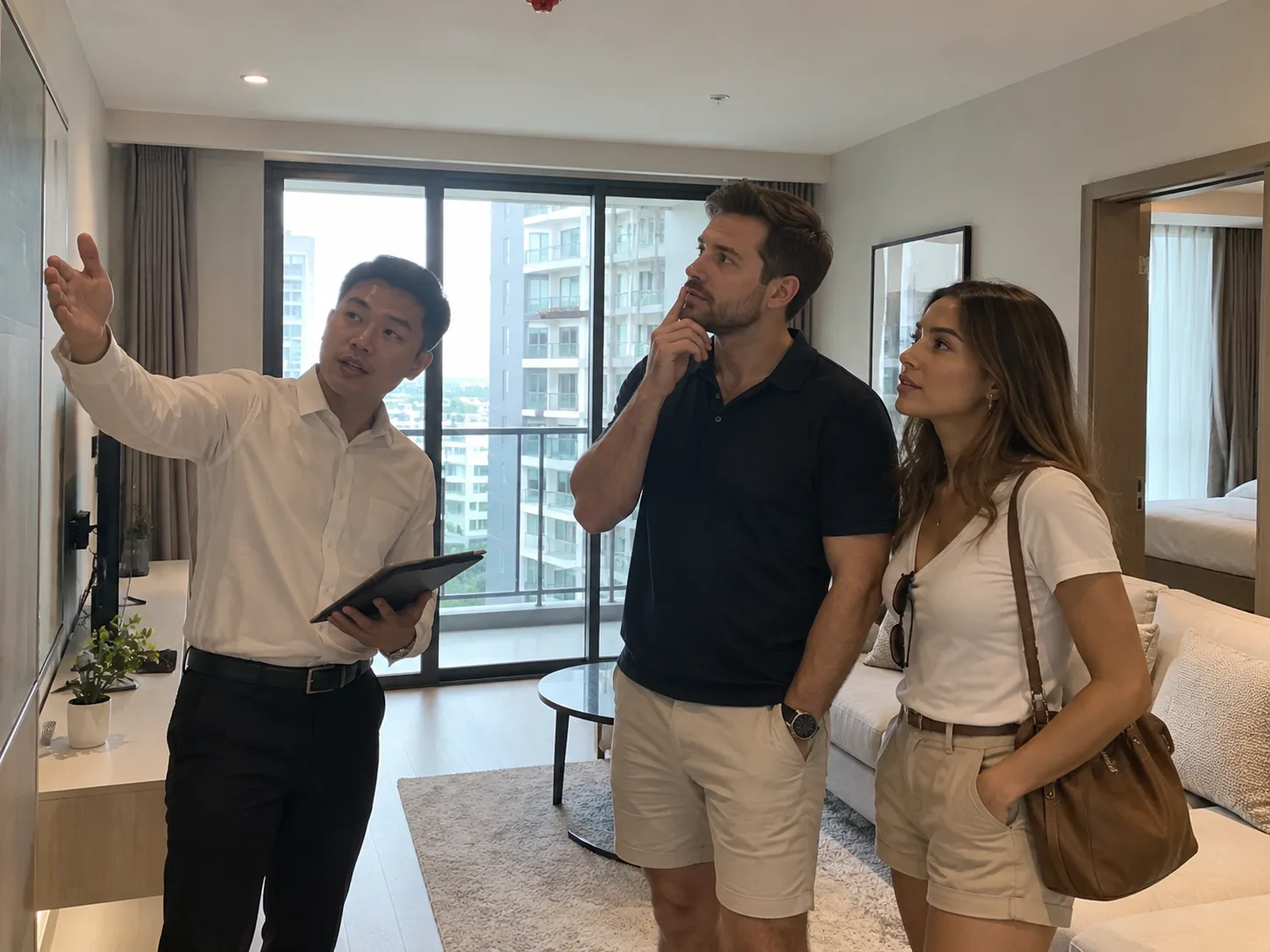
Unless you already know the city cold, do not buy in year one. Rent, learn the building, then decide. Neighbourhood tradeoffs sit on Where to Live; monthly baht ranges sit on Cost of Living.
- Typical lease shape — Twelve months is common, with two months’ security deposit plus one month’s rent paid in advance. Landlords still vary.
- Agent fees — For most residential rentals, the landlord pays the commission. You should not pay just to view units.
- See it yourself — Check water pressure, noise, mobile signal upstairs, and whether the street floods.
Deep dive for condo renters
The fine print
Read the lease before you sign — not after the deposit clears. These are the clauses that catch foreigners most often.

The diplomatic clause
A standard Thai one-year condo lease is rigid. Leave early and you often lose the deposit — sometimes more. If your employer might relocate you, negotiate a diplomatic clause up front: the right to end the lease with written notice (commonly 30–60 days) if your company transfers you or ends your contract. It is not automatic. Ask for it before you sign, in writing.
Wear and tear vs damage
Move-out fights usually start with tiny scratches. Landlords call them damage; tenants call them normal living. Protect yourself on day one: walk the unit with a move-in inspection report, photograph every mark, stain, and appliance quirk, then email or chat the photos to the agent or landlord the same day you take the keys. Timestamped evidence beats memory six months later.
Subletting and short stays
Most condominiums ban subletting without written consent. Short-stay platforms are a separate trap: many buildings and local rules treat stays under 30 days as hotel-style use, which juristic offices often forbid. If you plan guests, house-sitting, or listing the unit while you travel, assume the answer is no until the house rules say otherwise.
Hidden costs beyond the rent
The monthly rent is only the headline. These line items decide whether the “deal” still feels cheap in April.
Electricity: condo rate vs utility rate
This is the bill that shocks newcomers. Some older condos and serviced apartments charge electricity at a building or commercial rate — often roughly ฿7–9 per unit — instead of the residential MEA (Bangkok) or PEA rate closer to ฿4–5 per unit. Run two air-cons through hot season and the gap hurts. Ask for the exact baht-per-unit figure before you commit. Compare lifestyle budgets on Cost of Living.
Common-area fees
The owner usually pays the building’s common-area (sinking / juristic) fee — not the tenant. Still confirm in the lease. Also ask what you can actually use: pool, gym, co-working, visitor parking. Some buildings charge for extra key cards or limit how many residents may use facilities.
Internet and TV
Some units include basic building LAN; many need a True, AIS, or similar fibre contract. Those plans often lock you for twelve months. If you might leave early, ask about early-termination fees the same day you ask about rent.
Choosing the right building
Thailand has thousands of condo towers. Picking a serious developer will not guarantee happiness — but it screens out a large share of maintenance headaches before you ever meet the landlord.
Larger listed developers
Names such as Sansiri, AP Thailand, Land & Houses, Ananda, and Origin show up often on expat shortlists. The upside is usually a more organised juristic office, clearer English communication, and fewer structural surprises. You still inspect the specific unit — brand is a filter, not a warranty.
Independent and boutique towers
Low-rises and smaller projects can cost less and feel roomier. Tradeoffs appear when something breaks: slower juristic response, leaky common areas, or guards and cleaners with little English when you need help after midnight. Visit the lobby mid-week and ask how repairs get logged.
Red flags — walk away
Most rentals are ordinary. A few are designed to rush you. Treat these as hard stops.
Pay before you see the room
Never transfer a full deposit — or “reservation cash” — before you have walked the actual unit and signed with the real owner or a clear authorised agent. Ask to match the owner’s ID (or company documents) to the name on the lease and title details you are shown.
Too cheap for Sukhumvit
A luxury unit in central Bangkok at half the market rent is usually a ghost listing: bait to pull you into a worse or pricier substitute. Cross-check two or three comparable ads on the same soi before you chase a miracle.
The vanishing agent
Prefer agencies with a real office and a name you can find again. When the air-con dies or a pipe leaks, you want someone who still answers the phone after commission day — not an independent contact that goes quiet.
Buying later: condos yes, land and houses no
Once renting has taught you the city, buying may make sense. Under the Condominium Act, a foreigner may own a freehold condominium unit in their own name if the building still has foreign-quota capacity. As of 2026, that cap remains 49% of the building’s total saleable floor area (not unit count). Talk of raising the quota or extending residential leases to 99 years is still proposal talk — not law.
Condo ownership (foreign quota)
- Confirm available foreign quota in writing with the juristic person or via your lawyer at the Land Office before you commit.
- Purchase funds must generally be remitted into Thailand from abroad in foreign currency. The receiving Thai bank issues a Foreign Exchange Transaction form (FET; formerly often called Thor.Tor.3) for Land Office registration.
- Budget transfer fees and taxes separately — promotional fee cuts aimed at Thai individual buyers do not automatically apply to foreign buyers.
Land and houses (the hard no)
Foreigners generally cannot own land in Thailand in their own name, so a freehold house-and-land package is not a simple foreign purchase. Lawful options often involve a registered long-term lease (ordinary residential leases of immovable property are capped at 30 years). “30+30+30” marketing is not a locked 90-year title. Company and nominee structures are high-risk. Use an independent lawyer before any deposit. ThailandLover is not a law firm.
Pre-deposit checklist
Before money moves, get clear answers:
- Exact electricity and water rates (baht per unit)
- Fibre to the room, or shared building LAN?
- Diplomatic clause, notice period, and early-exit terms
- Juristic rules on pets, guests, moving fees, and short stays
- Water pressure and mobile signal on upper floors
- Upcoming construction that will block the view or add noise
- Who pays common-area fees, and who files the residence report
- Proof the landlord may rent the unit
Where expats actually live
Bangkok — Sukhumvit for international density and transit; Ari for cafés and a neighbourhood feel; Silom / Sathorn for the corporate corridor. Start with the Bangkok guide.
Chiang Mai — Nimman for urban convenience; Hang Dong and outer areas for space and greener family living. See Chiang Mai.
The south — Phuket for lifestyle and resort infrastructure; Koh Samui (Surat Thani) for a slower island pace. Match hospitals and grocery access, not only the sea view — Phuket and Surat Thani.
Still weighing a lease?
Have a clause you are unsure about, a neighbourhood tip, or a landlord story worth warning others about? Contact ThailandLover. Rent first, photograph everything on move-in day, and never treat land “workarounds” as casual paperwork.
Rental practices above reflect common Bangkok and major-city condo norms in 2026; ownership notes reflect the 49% condo foreign-quota and Land Code restrictions as commonly applied. Always verify your lease, house rules, and title position with a licensed Thai lawyer where money is large. ThailandLover is an editorial guide, not a brokerage or law firm.