The ultimate guide to Muay Thai — history, styles, gear, and how to train like a pro in Thailand.
A cultural treasure
More Than a Combat Sport
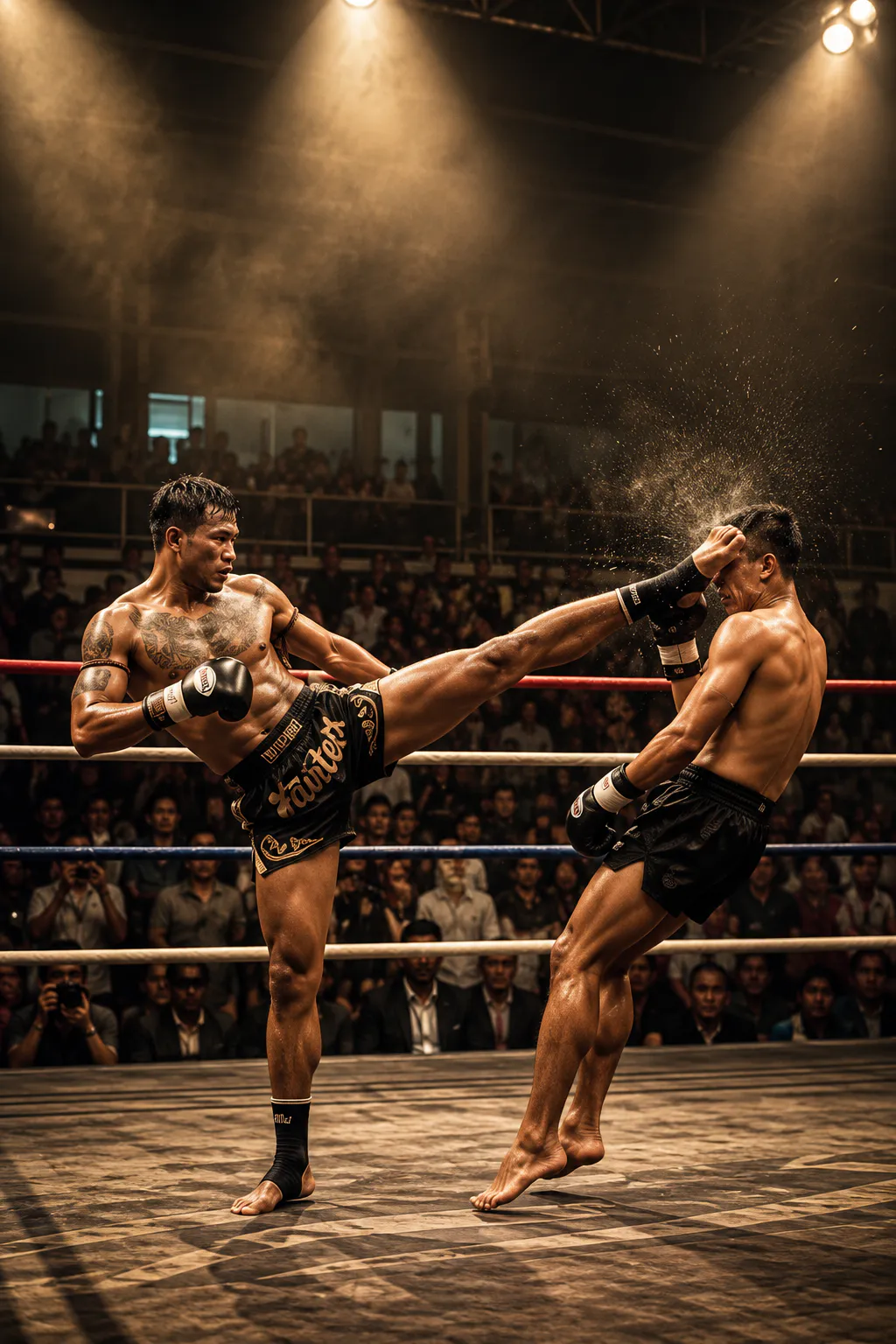
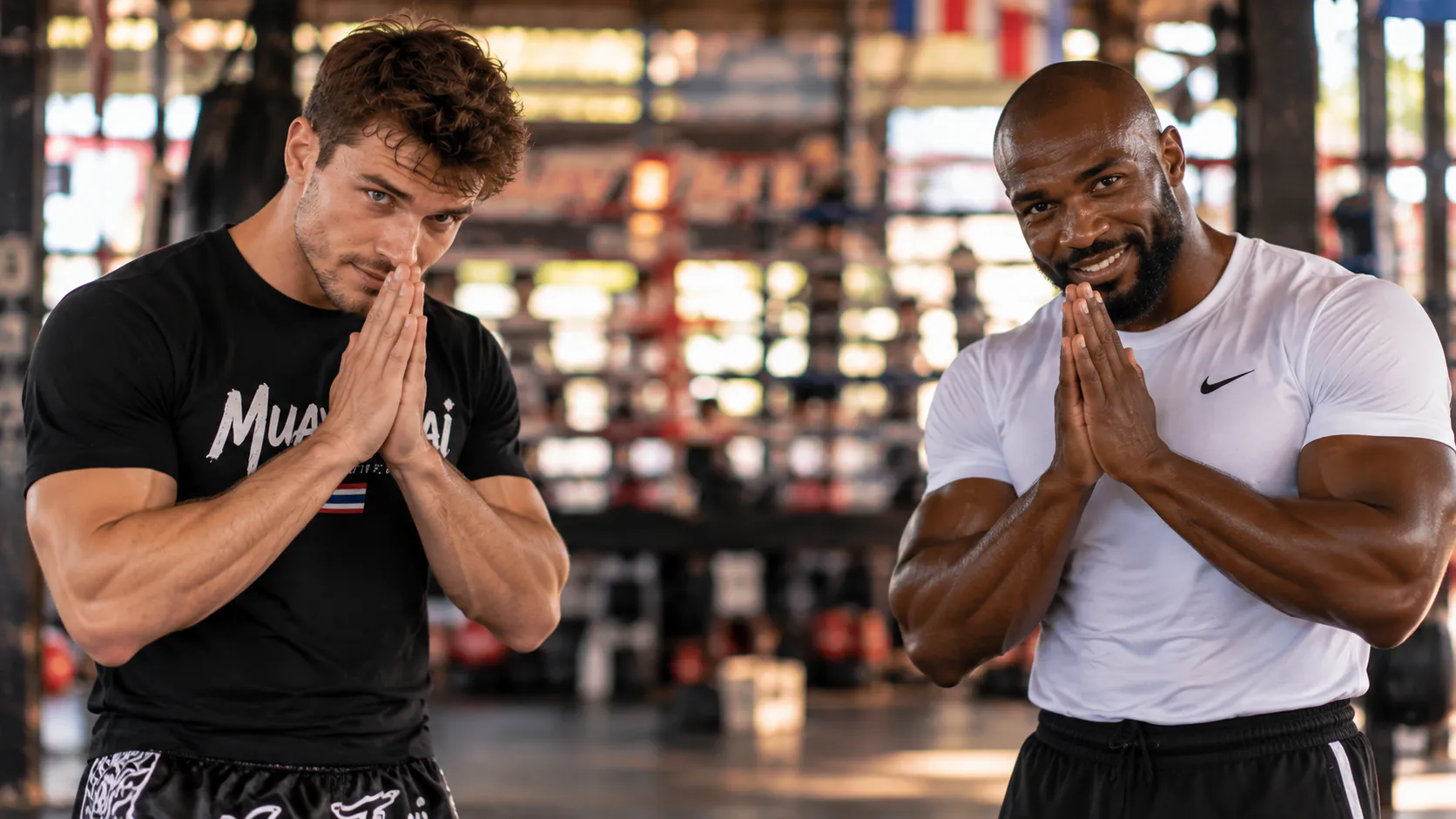
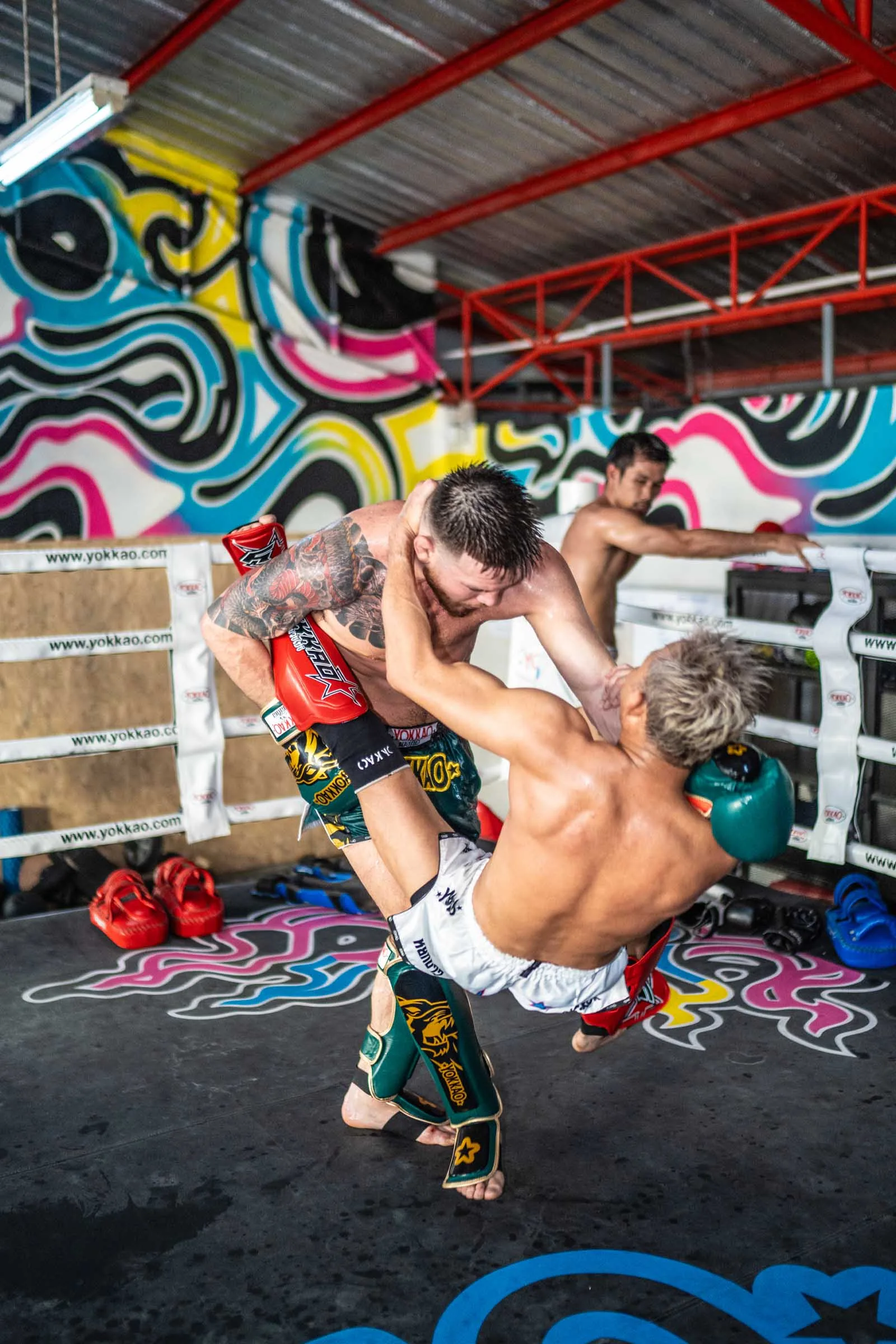
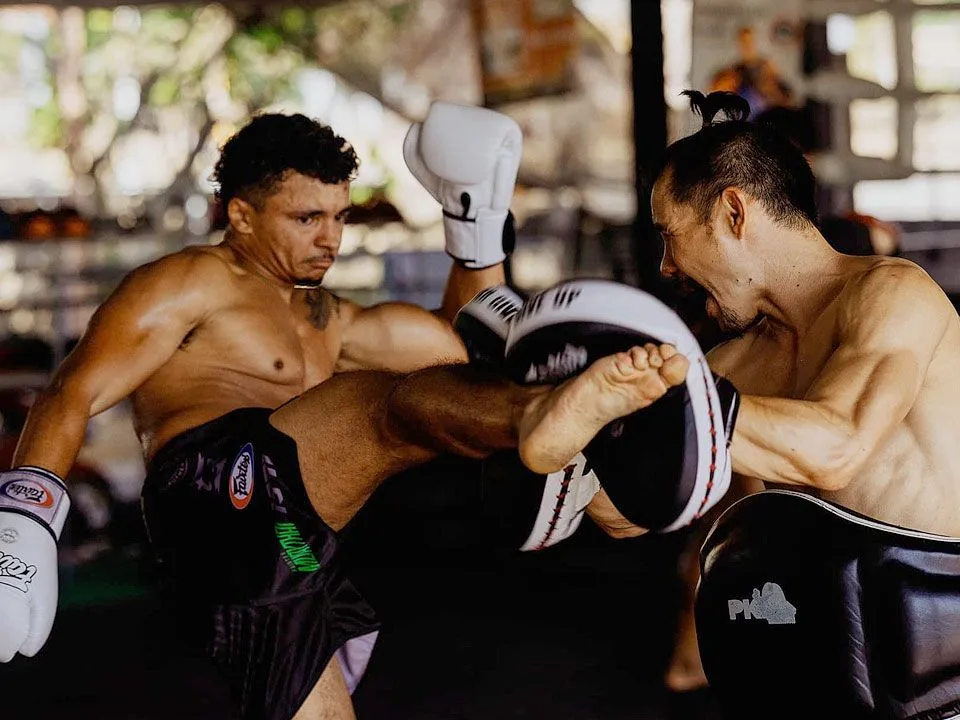
If you are a true lover of Thailand, there is one cultural treasure that pumps through the country’s veins with pure energy, passion, and ancient heritage — Muay Thai. Known globally as “The Art of Eight Limbs” because fighters use their fists, elbows, knees, and shins as precise weapons, it is far more than just a combat sport.
It is a sacred martial art, a proud national legacy, and an unforgettable experience that captures the fiery spirit of Thailand. Get ready to step into the ring as we explore everything you need to know — from its legendary history to how you can train like a pro.
Muay Thai traces its roots back hundreds of years to ancient Siam, where it evolved as a lethal battlefield combat system used by the Siamese military for hand-to-hand fighting when weapons were lost. Over time, it transformed from a battlefield necessity into a revered national sport practiced during festivals and royal celebrations.
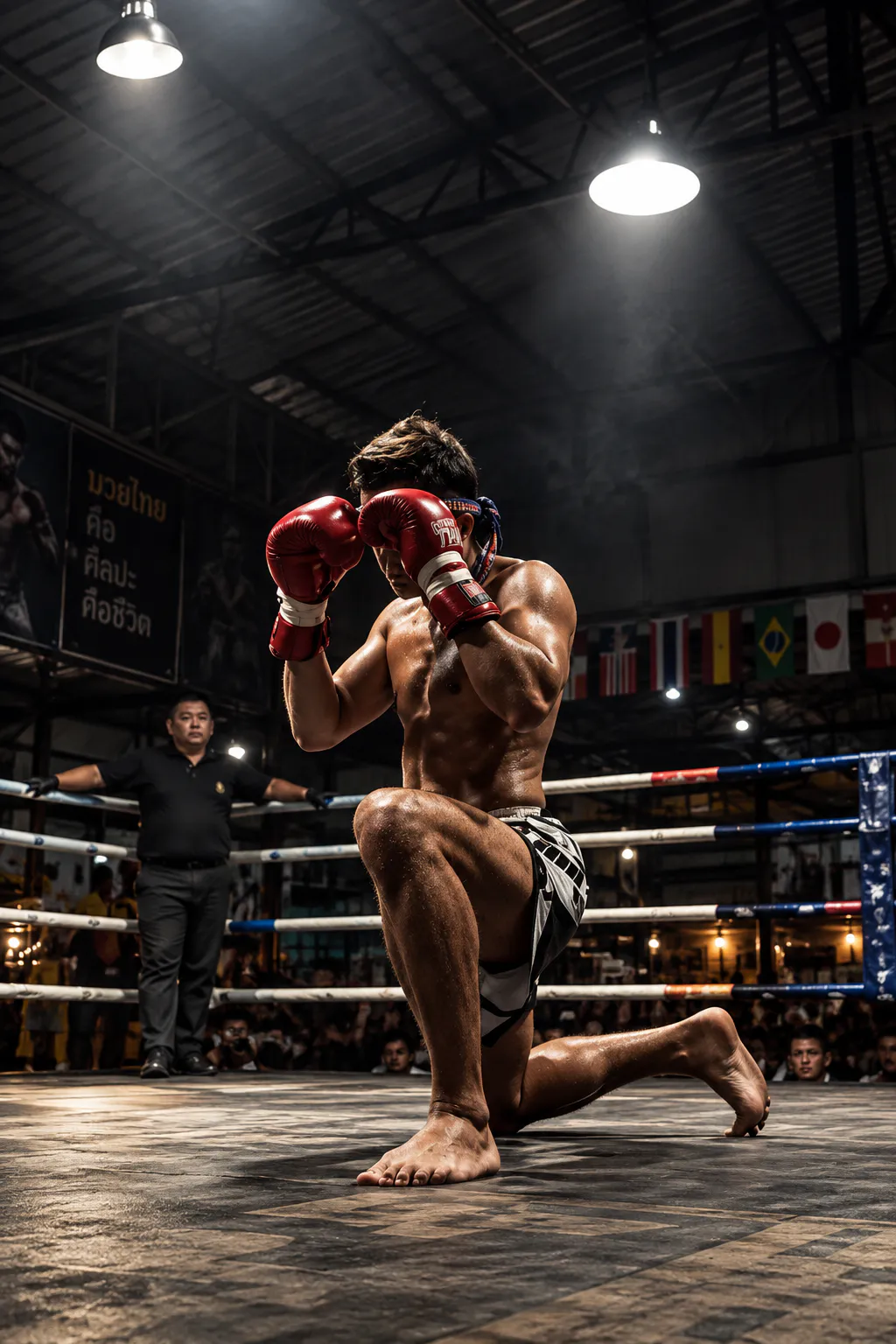
Today, it stands as a global symbol of Thai resilience, discipline, and physical mastery — a living art that still begins each fight with the wai kru, the drums, and respect for the teacher.
From village rings to a national art.
02 · Styles & Techniques
The Different Styles of Muay Thai
Muay Thai fighters develop unique styles based on their strengths and physical attributes. These four classic approaches shape how champions fight — and how you might train.
01
Muay Mat
The Heavy Puncher
Aggressive fighters who rely on devastating punches and low kicks to overwhelm opponents.
02
Muay Tae
The Kick Expert
Fighters who specialize in lightning-fast, high-scoring roundhouse kicks from a distance.
03
Muay Khao
The Knee Fighter
Masters of the clinch who use relentless knee strikes to break down opponents at close range.
04
Muay Femur
The Technical Genius
Well-rounded, highly strategic fighters who excel at defense, counter-attacks, and pure technique.
03 · Fight Night
Where to Watch Authentic Muay Thai in Bangkok
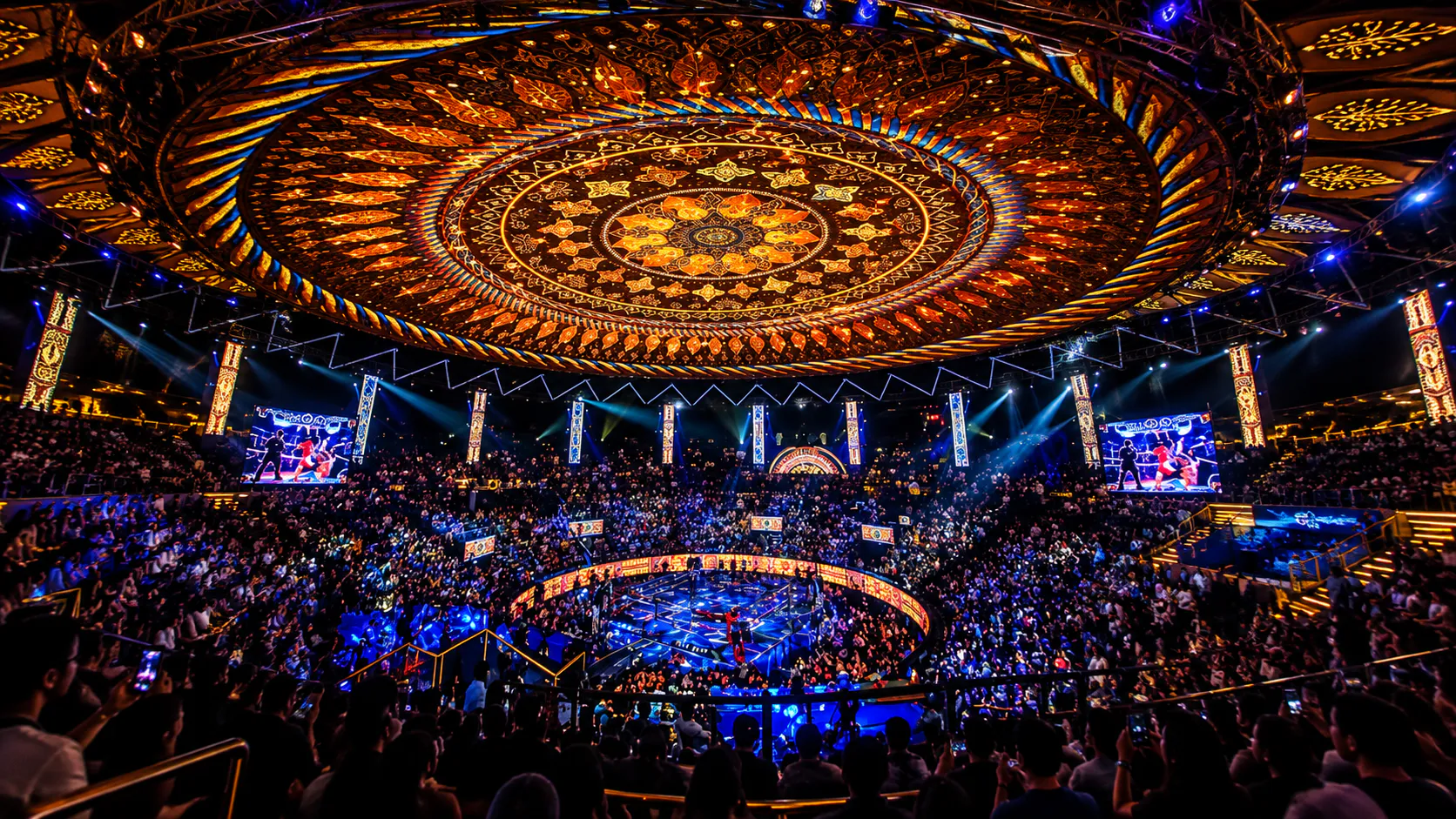
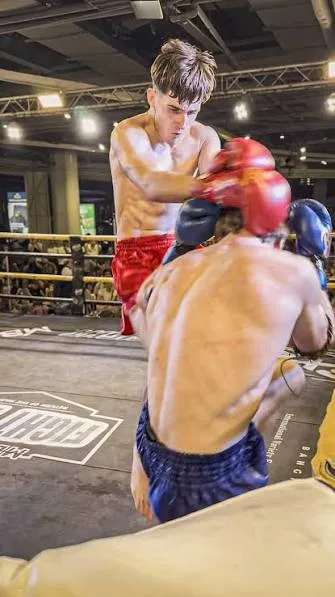
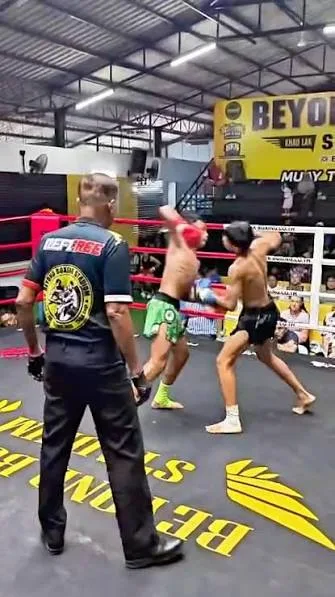
Feel the thunderous roar of the crowd, the beat of traditional drums, and the sheer power of Thailand’s national combat sport. If you want to witness live Muay Thai in its truest form, Bangkok is home to the world’s most legendary stadiums.
Ratchadamnoen Nok Road
Rajadamnern Stadium
The Legacy
As the world’s first-ever official Muay Thai stadium, it carries decades of rich history.
The Highlight
Home to the world-class RWS (Rajadamnern World Series), featuring high-stakes tournaments enhanced by cutting-edge projection mapping and a modern entertainment vibe.
Ramindra Road
New Lumpinee Boxing Stadium
The Legacy
A legendary name in combat sports, now partnered with the global powerhouse ONE Championship.
The Highlight
Famous for ONE Friday Fights, delivering explosive, action-packed bouts with a high knockout rate that keeps fans on the edge of their seats.
Muay Thai is more than fighting
It teaches more than a combination. It teaches you how to stay in the work.
Discipline
Respect
Perseverance
Strength
Heritage
04 · Essential Gear
What You Need Before You Train
Before you throw your first punch or kick, the right gear protects your body and lets you train effectively. Start simple — then add sparring protection when you are ready.
Boxing GlovesEssential for pad work, sparring, and protecting your hands — usually 10 to 16 ounces.
Hand WrapsCrucial for supporting your wrist bones and knuckles underneath your gloves.
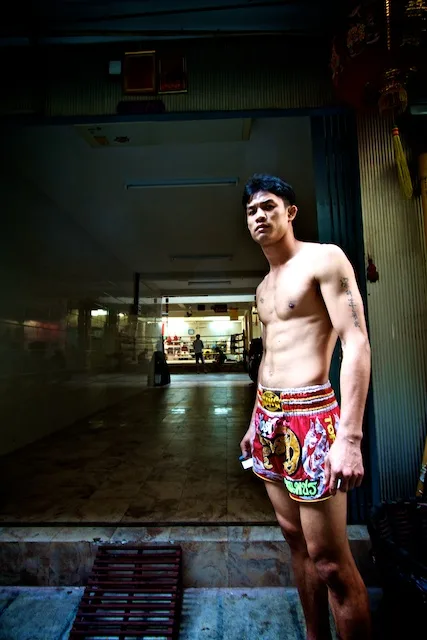
Muay Thai ShortsShorter and wider than regular shorts, allowing full freedom for high kicks and knee strikes.
Shin Guards & MouthguardVital protective gear if you plan on doing live sparring sessions.
05 · First Session
How to Prepare for Training
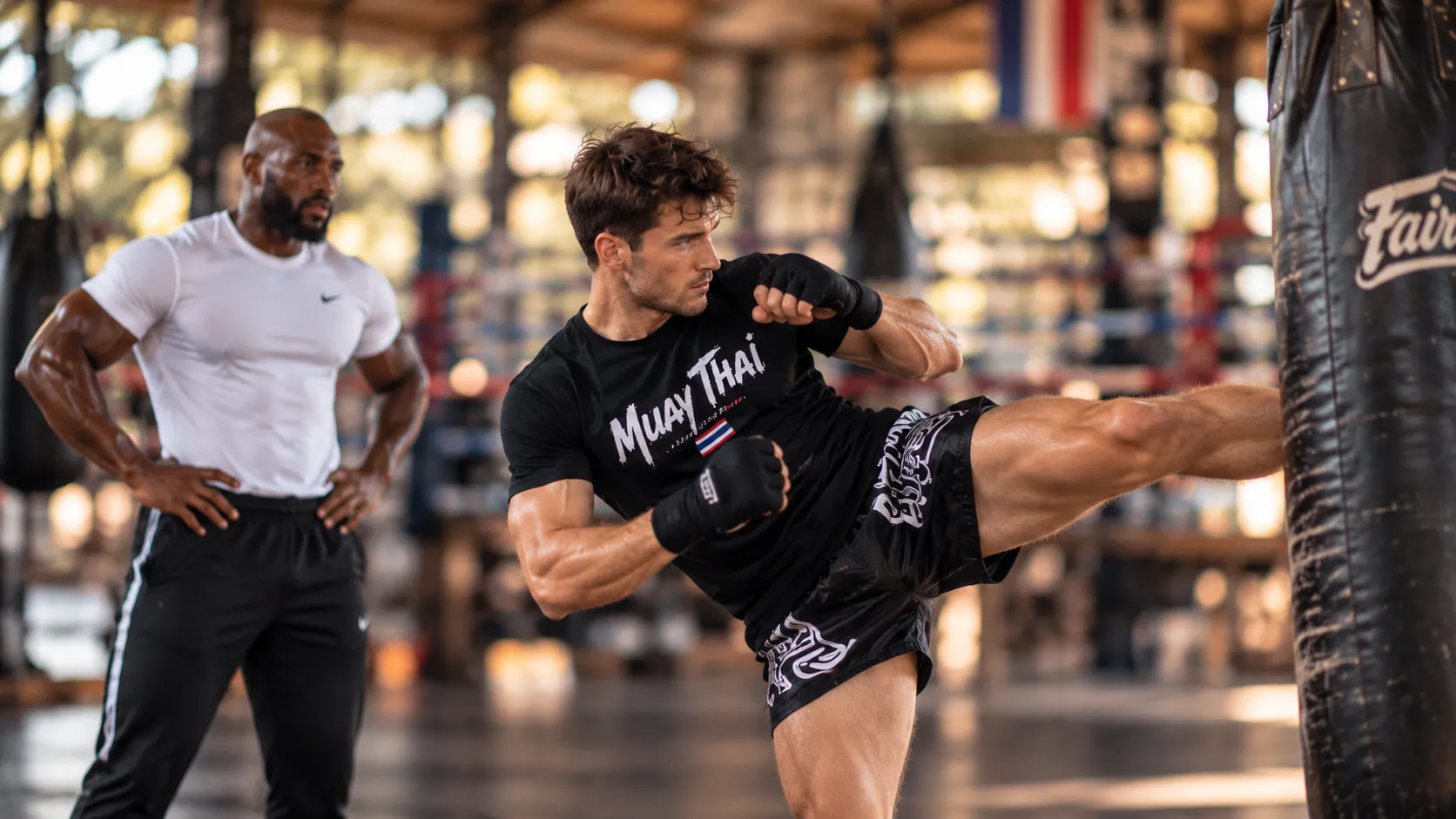
Walking into an authentic Thai gym for the first time is thrilling — but it pays to be prepared. Stamina, hydration, and humility matter more than a fight record.
Build Basic CardioMuay Thai is an intense full-body workout. Focus on running and jump rope more than heavy lifting.
Stay Hydrated & FueledEat a light meal 1–2 hours before training, and bring water or electrolyte drinks.
Leave Your Ego at the DoorEmbrace the beginner mindset. Trainers in Thailand respect hard work above all else.
Tell Them Your LevelSay you are new on day one. A gym that feels like work is a better sign than one built only for photos.
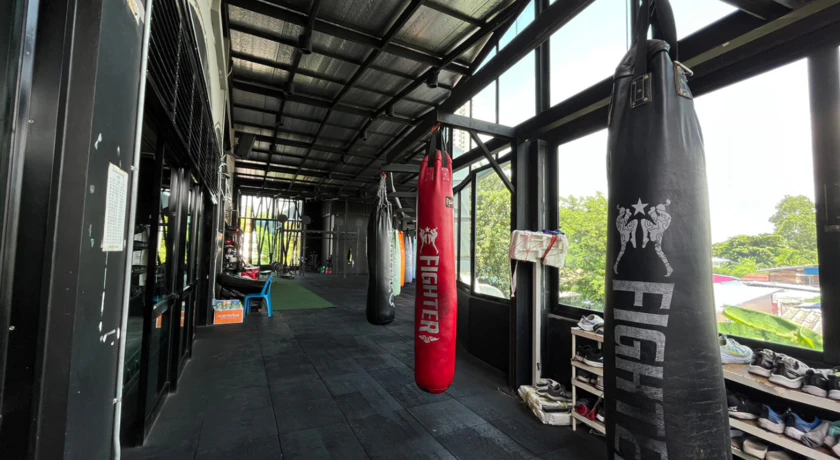
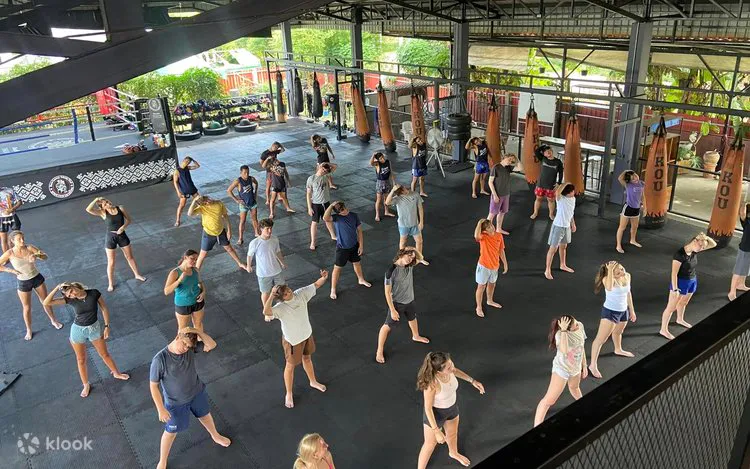
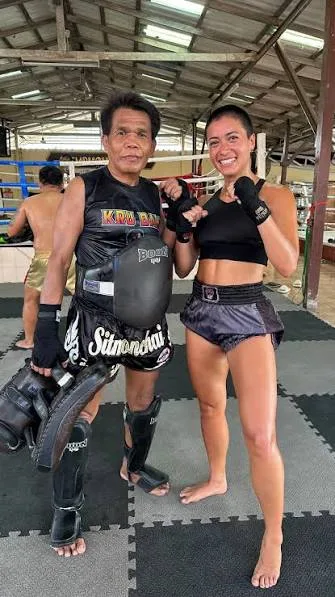
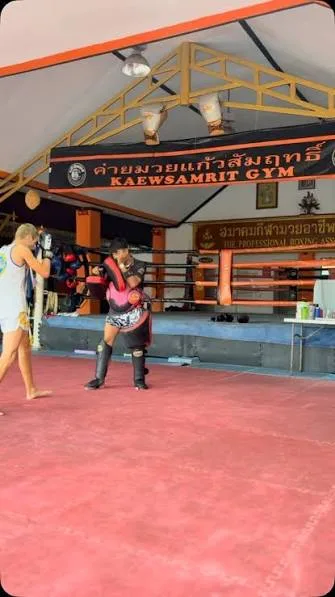
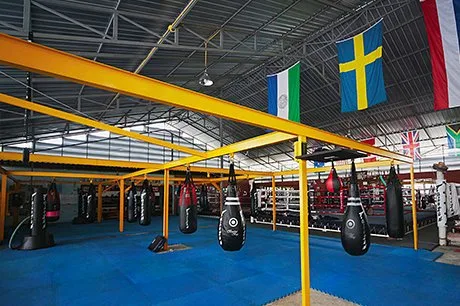
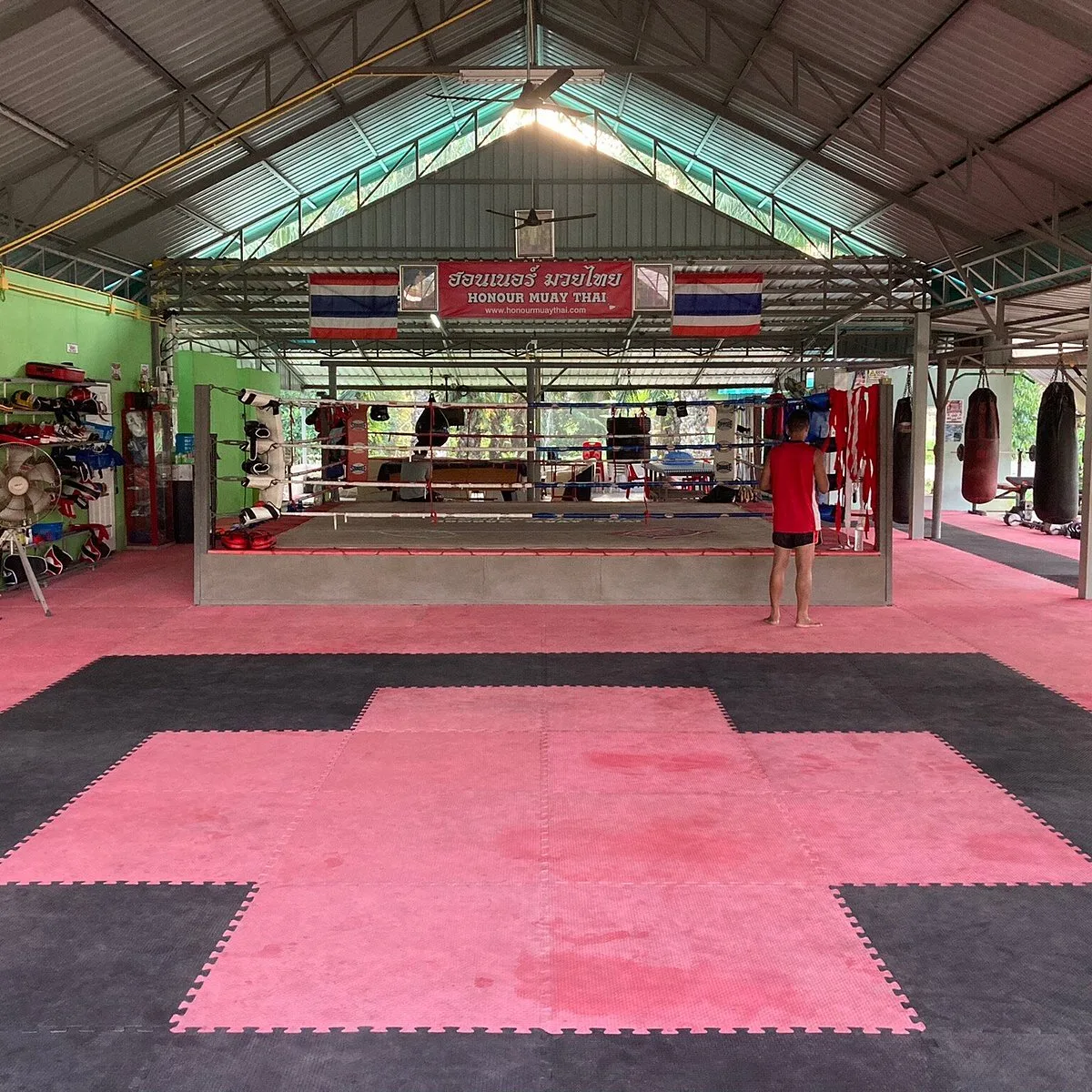
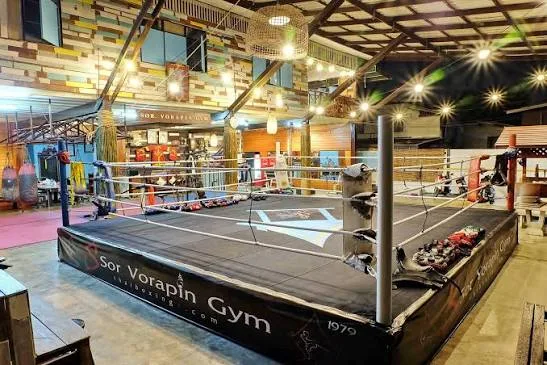
The day starts early. You warm up, hit pads, clinch, and leave with sore legs. A reputable gym feels like work — not only a photo backdrop or a tourist show.
Warm-up, then pads
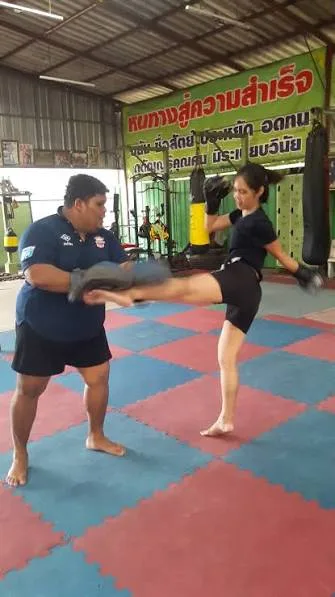
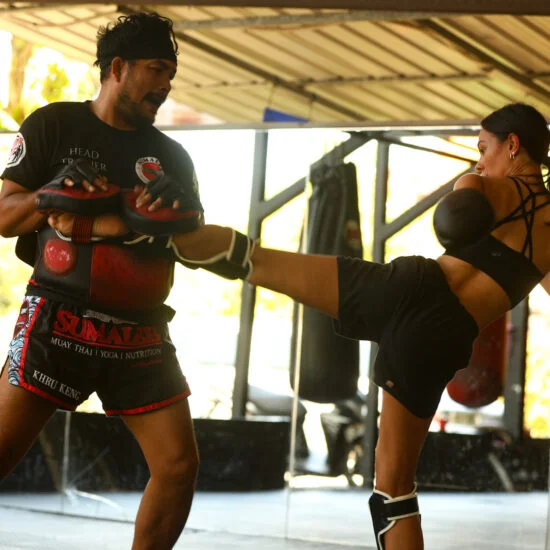
Class starts with a long warm-up, then pads and clinch work. Expect tired legs — that is the ordinary rhythm of a real session.
Bags, technique, then sparring
Bag rounds and technique drills come before anyone asks you to spar. Spar only when you and your partner both agree — and when a trainer is watching.
Ritual, and the people beside you
Serious gyms open or close with respect for the teacher. You may train beside local fighters. Watch first, then work. The room is a community, not a backdrop.
Muay Thai culture
Respect comes before the fight
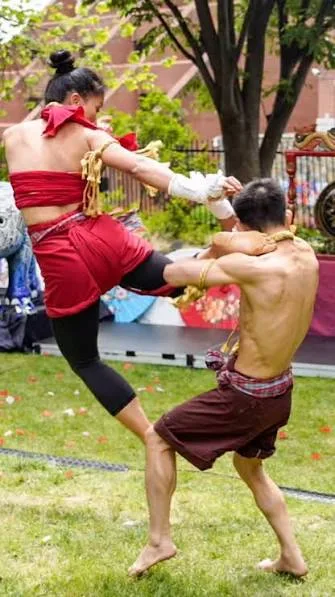
Before the first strike there is the wai kru — a short dance of respect for teachers, parents, and the gym. Fighters wear the mongkhon, the traditional headband, then take it off before they fight. Sarama music, led by the oboe and drums, sets the pace of a stadium night.
If you go to watch, stand for the anthem and stay quiet during the wai kru. Buy tickets from the stadium or a trusted desk.
The relationship that matters is the one between fighter, trainer, and the people who hold pads every morning. Technique is taught. Respect is expected.
Before you train
A few things worth knowing
What to wear
Clothes you can move in — ideally Muay Thai shorts. Leave shoes off the mat. Bring your own wraps.
What to bring
Wraps are yours. Gyms often supply gloves — ask before you pack a pair. Pack a mouthguard if you plan to spar.
Heat and water
Afternoon heat is part of the workout. Drink before you are thirsty, and eat a light meal 1–2 hours before class.
Cardio over heavy lifting
Stamina matters more than max strength. Running and jump rope will serve you better on day one.
Gym etiquette
Wai when you enter. Do not step over pads or people. At a stadium, stand for the anthem and be quiet during the wai kru.
If you are new
You can train without a fight background. Look for trainers who coach beginners safely, and leave your ego at the door.
How long to stay
A few sessions show you the rhythm. A week or more is when the pads start to make sense. Go at the pace your body allows.
Where to train & watch
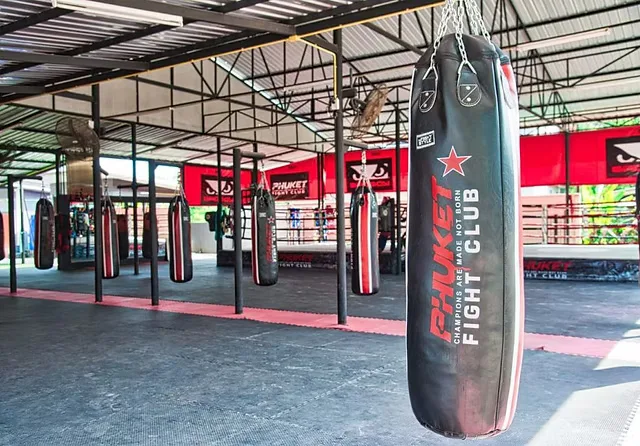
Pattaya, Phuket, and Chiang Mai hold legendary camps. Bangkok has the big stadium nights. Book fight tickets through the stadium or a trusted desk.
Gym directory
Muay Thai Camps Across Thailand
A starter list of well-known camps — from Bangkok fight factories to island training hubs. Confirm schedules, pricing, and beginner coaching before you book.
Add photo
Chonburi / Pattaya
Petchyindee Academy ค่ายเพชรยินดีอะคาเดมี
A powerhouse camp with a long fight pedigree — serious pad work and a competitive atmosphere for those ready to train hard.