

- Home
- Discover
- Food & Drink
- How to Order
ThailandLover — Food Guide
How to Order Thai Food
Venues, dishes, phrases & table manners
Ordering in Thailand is easier than it looks. Know the venue, recognise the dish style, say a few Thai words — and enjoy the meal with confidence.
01 — Where to Eat
Types of Dining Spots in Thailand
Each place has its own pace, portion size, and way of ordering. Start by recognising these common spots.
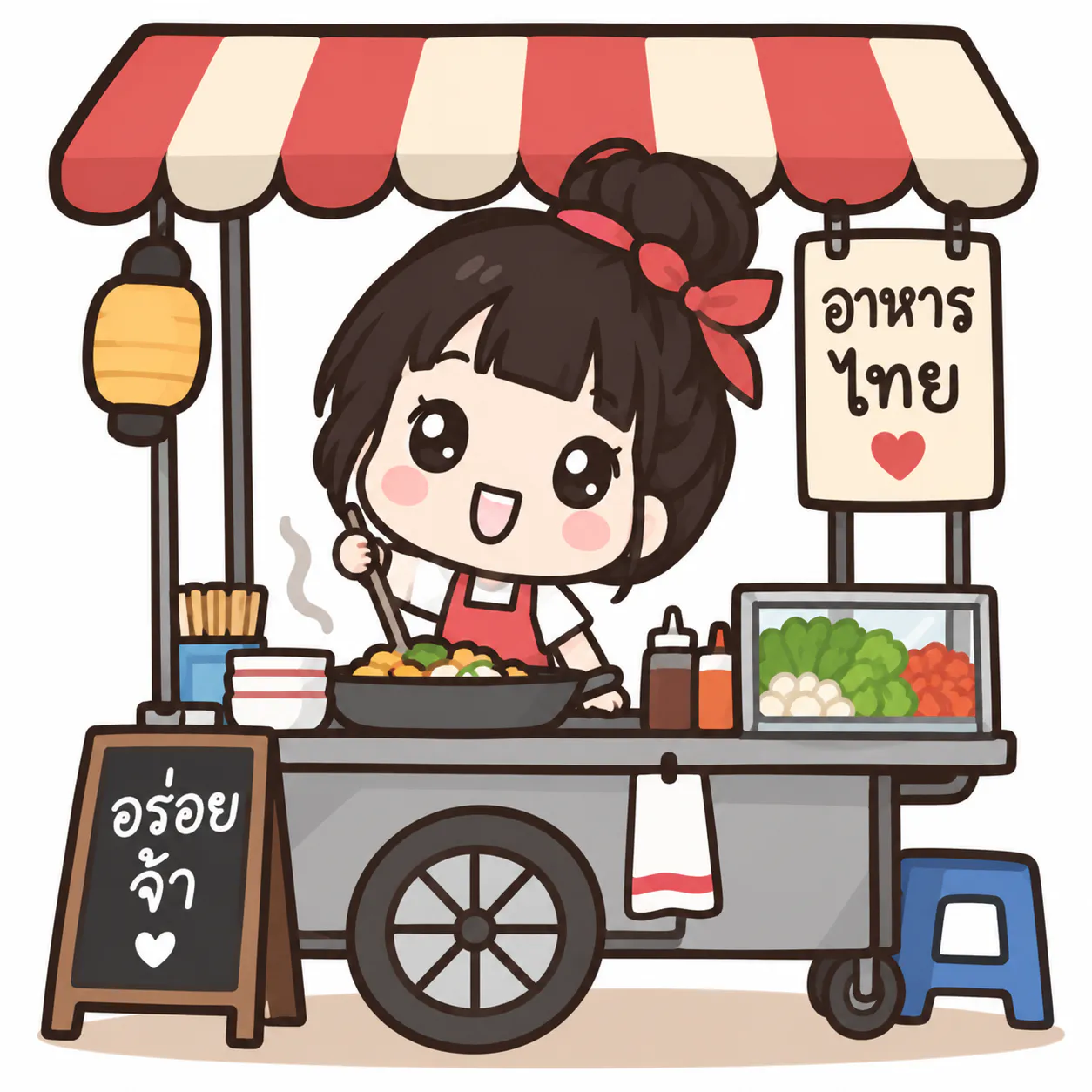
Street stall
รถเข็น / แผงลอย
The ultimate heartbeat of Thai culinary culture, these iconic carts and roadside stalls are found everywhere in cities and local neighbourhoods, offering lightning-fast, incredibly flavourful dishes made right in front of you for just a few dollars.
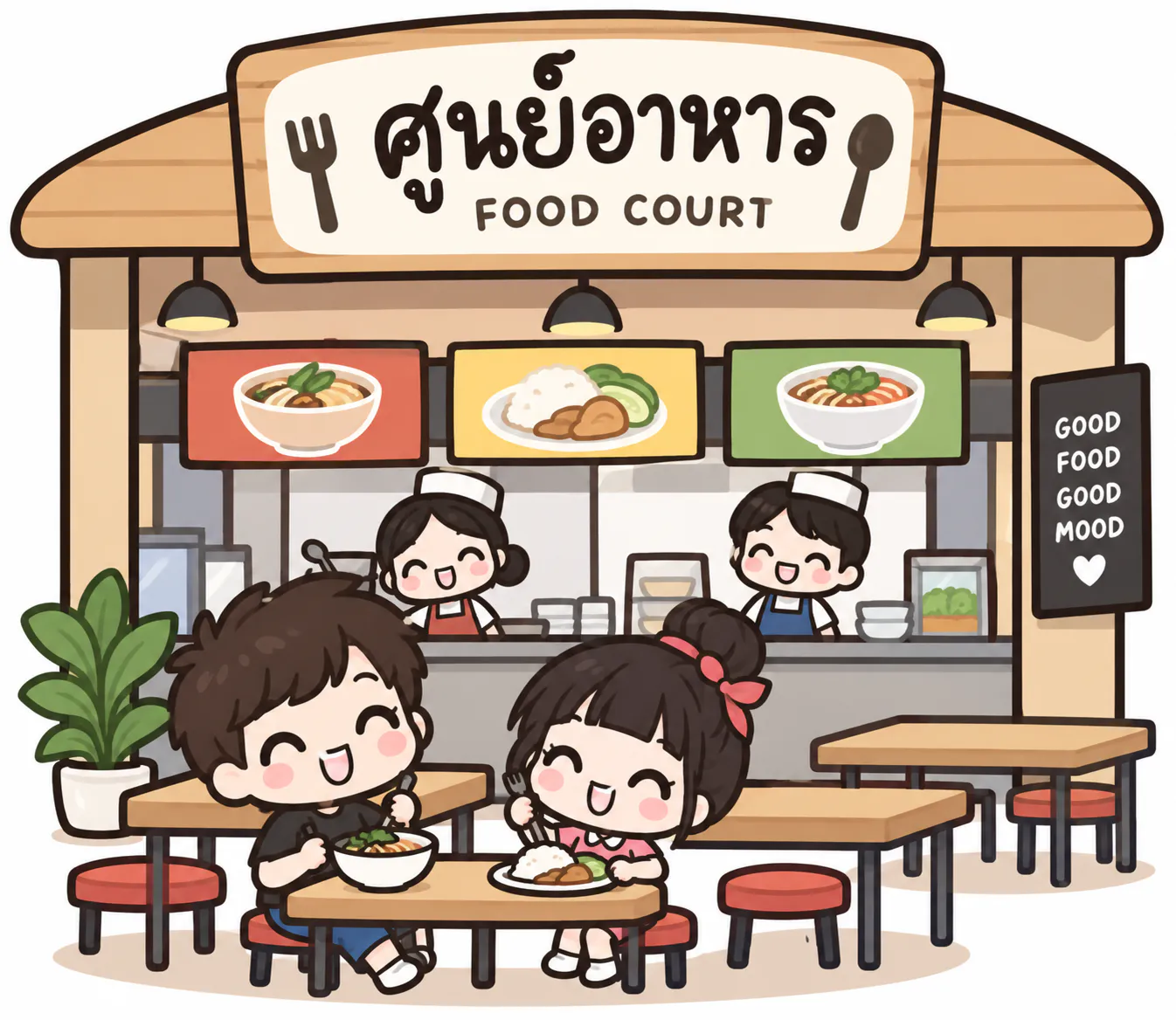
Food court
ศูนย์อาหาร
A clean, convenient, and budget-friendly option usually located inside shopping malls or department stores. Purchase a prepaid card and choose from dozens of stalls serving everything from noodles to regional specialities in a comfortable environment.
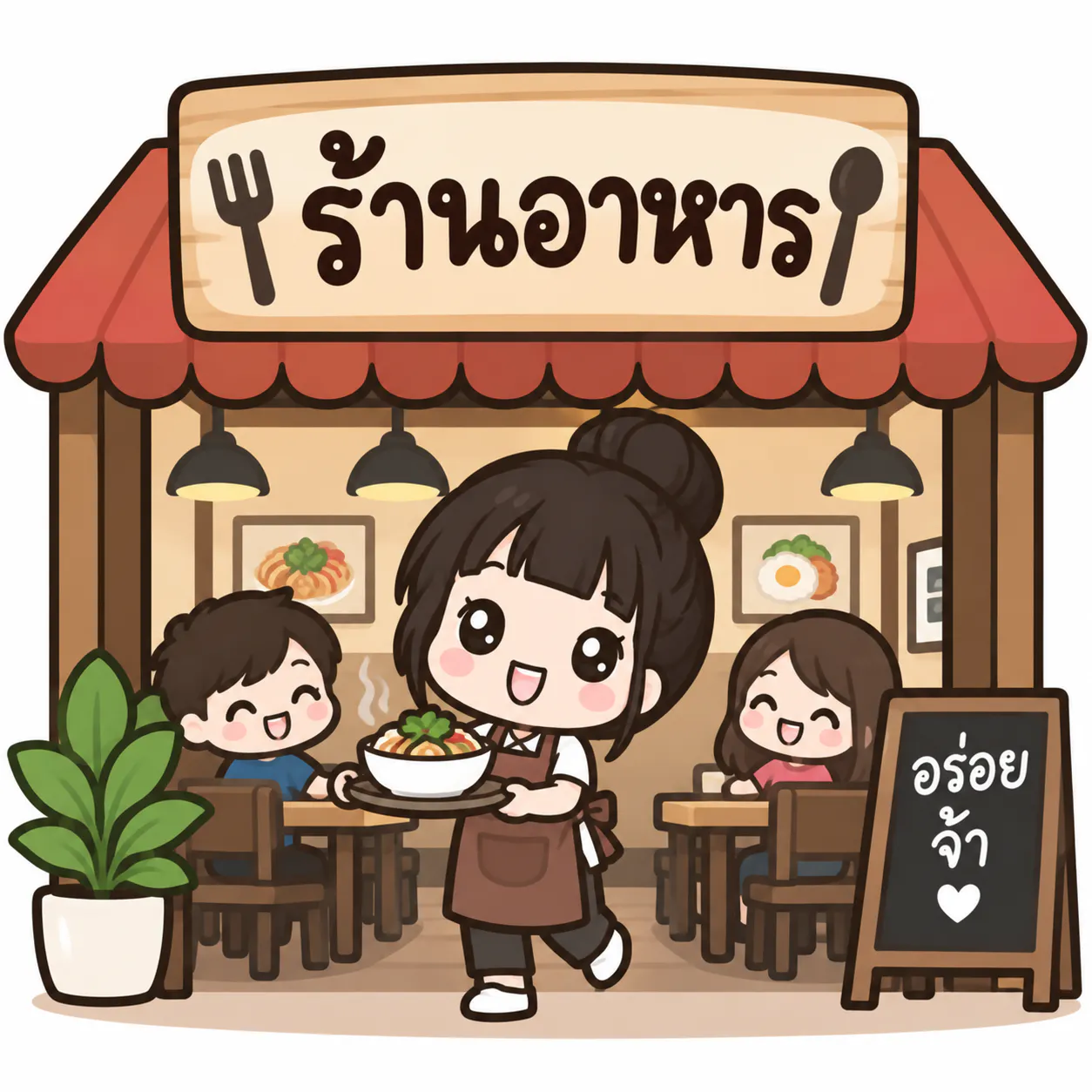
Local restaurant
ร้านอาหาร
Everyday shophouse restaurants dotted across cities and local communities, serving authentic Thai comfort food at pocket-friendly prices where neighbours gather for lunch and dinner.
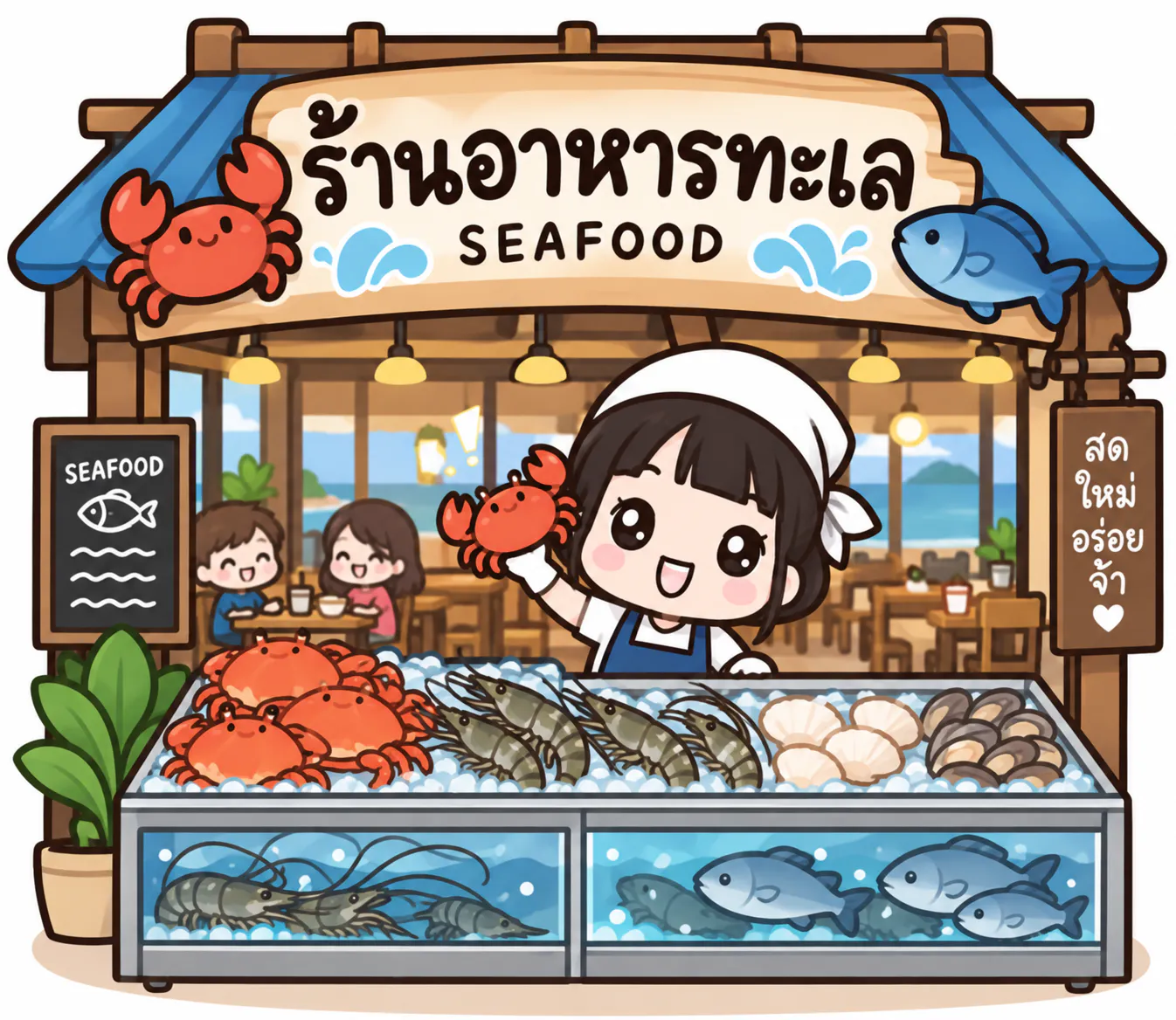
Seafood spot
ร้านอาหารทะเล
Open-air restaurants where you can hand-pick the catch of the day displayed on ice. Prices vary by location, so always double-check the cost by weight before ordering to avoid an unexpected bill.
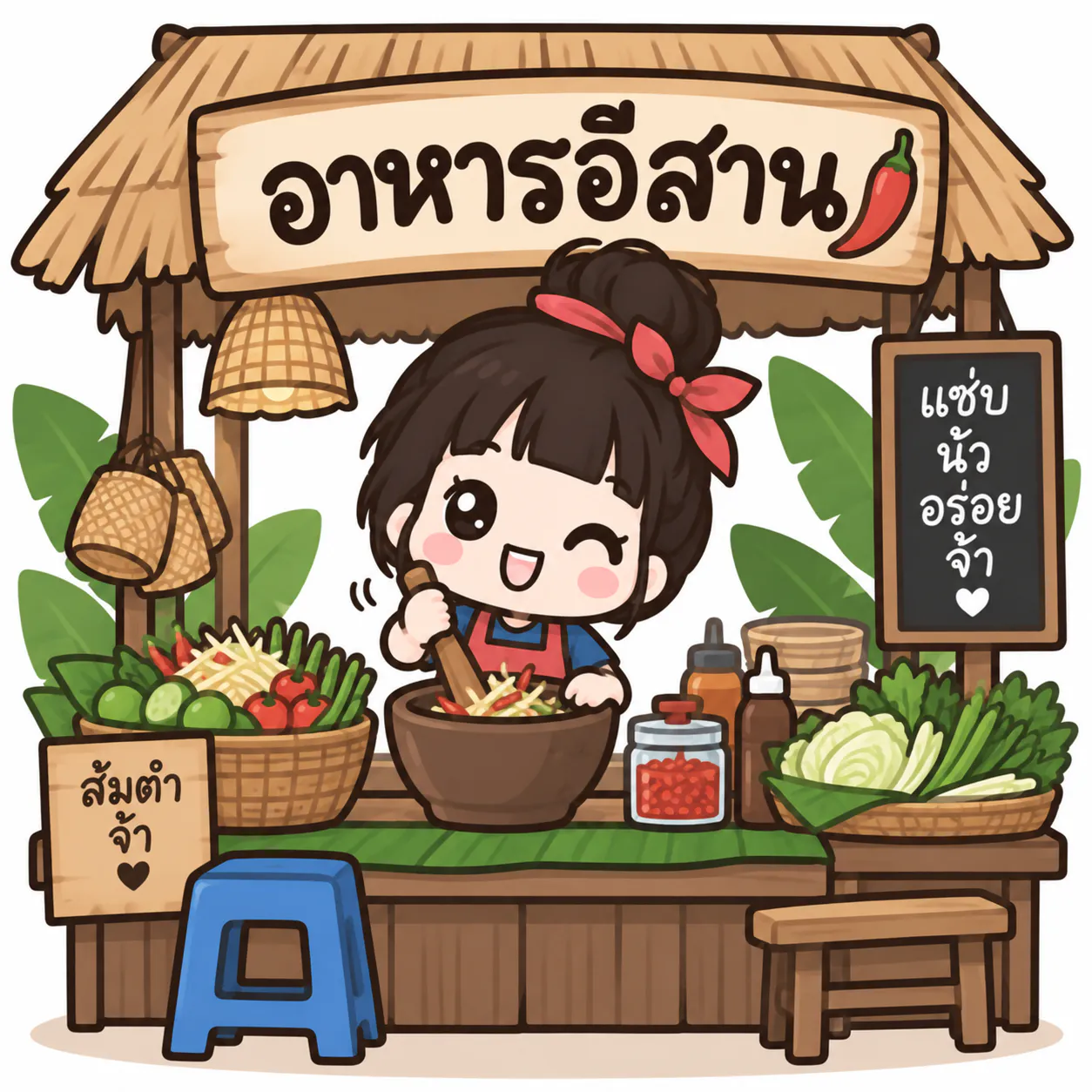
Isaan / Northeast
อาหารอีสาน
Vibrant eateries specialising in fiery Northeastern Thai cuisine, often spotted by the wooden mortar and pestle at the counter. Feast on spicy papaya salad and grilled meats — knowing a few basic menu items will help you navigate the bold flavours. Isaan food can be very spicy, so tell the staff your preferred spice level when ordering.
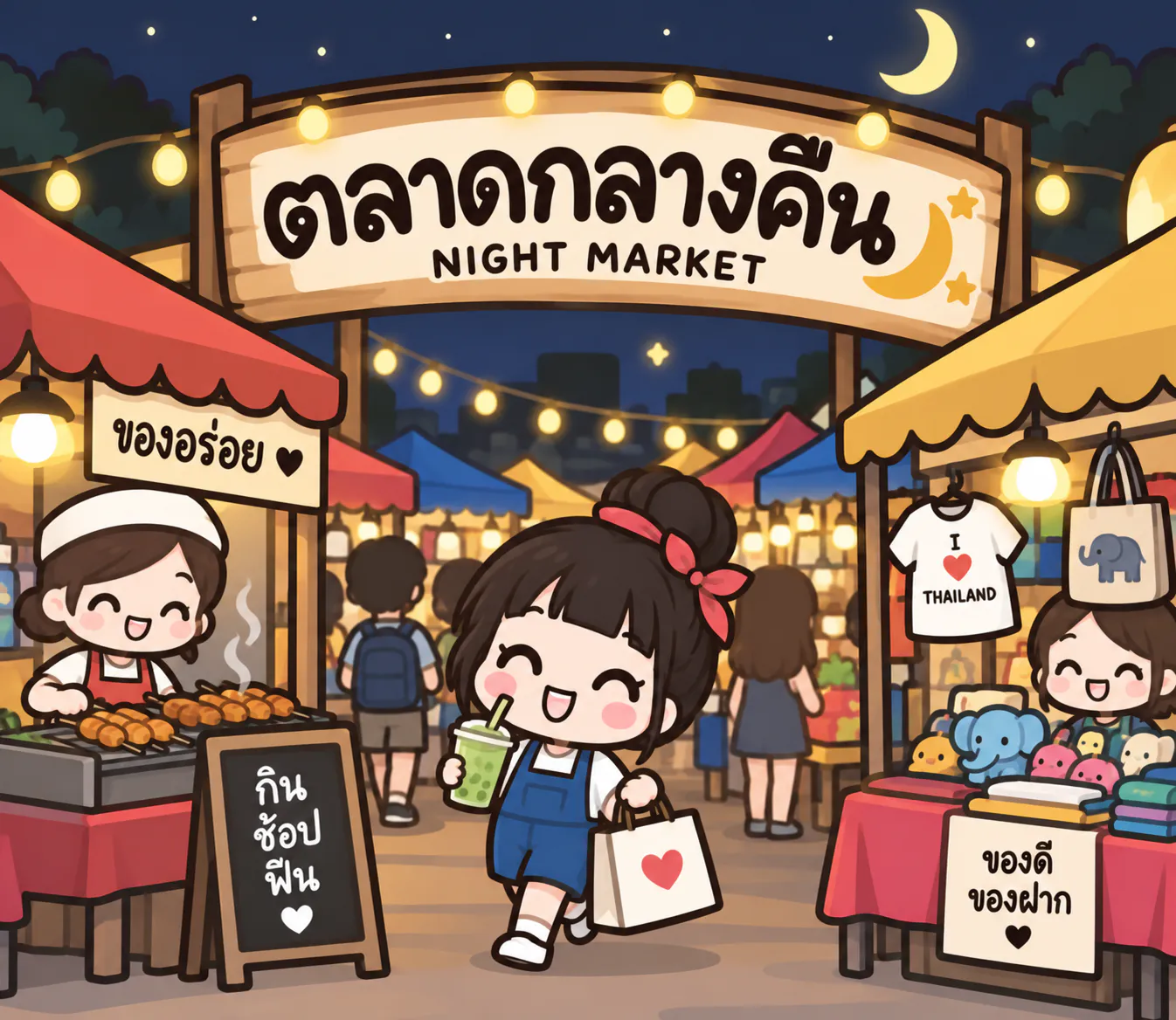
Night market
ตลาดนัด / ตลาดกลางคืน
Bustling evening food hubs packed with endless rows of sizzling grills, skewers, and sweet treats, inviting you to wander, snack, and eat your way through until you are completely full.
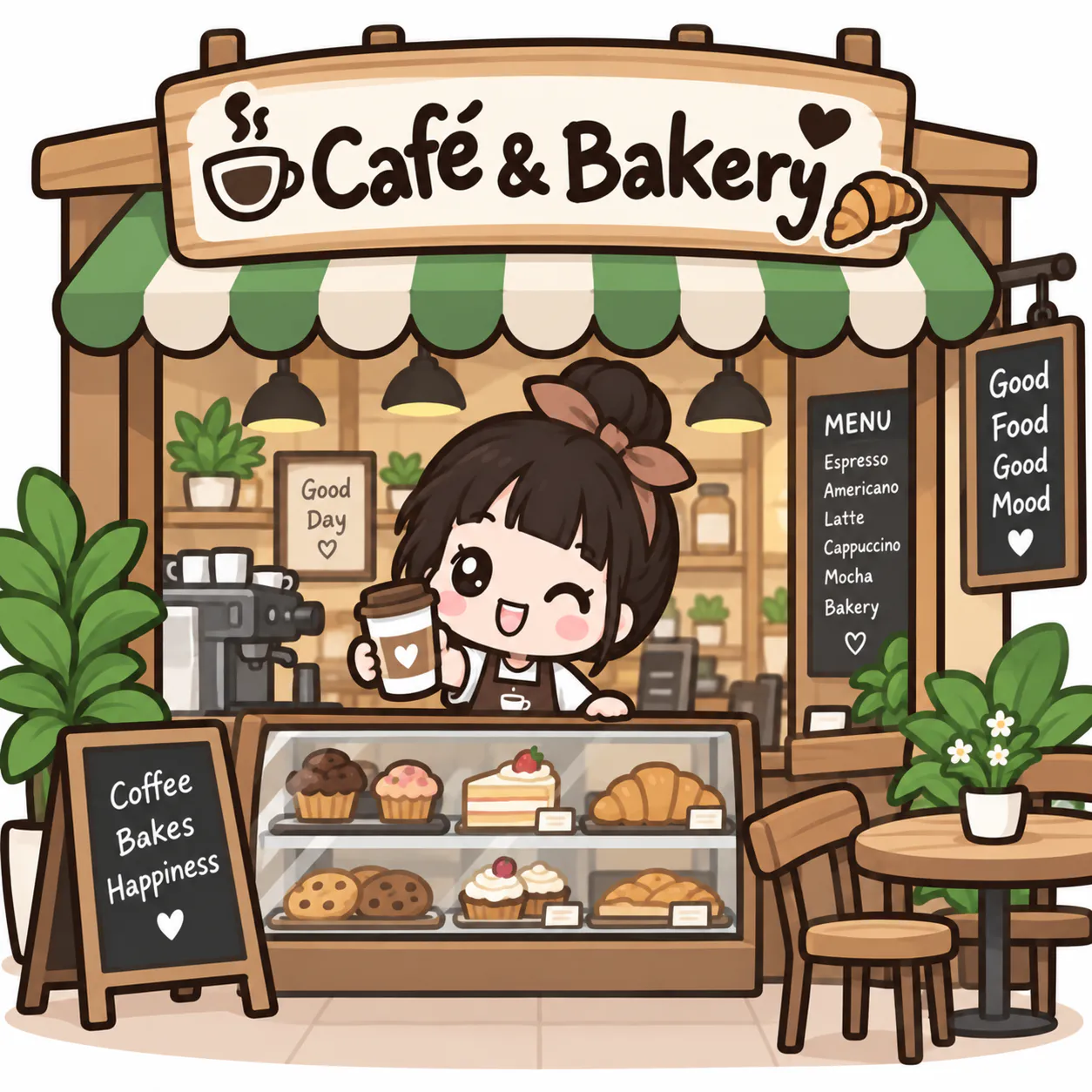
Café & bakery
คาเฟ่ / เบเกอรี่
Modern, aesthetic, and air-conditioned coffee shops scattered throughout urban areas and tourist towns, serving speciality coffee, artisanal pastries, and Instagram-worthy fusion brunch dishes.
Casual dining / Standard restaurant
ร้านอาหารทั่วไป / ร้านอาหารมาตรฐาน
Relaxed, everyday restaurants featuring air-conditioning and mid-range prices. They are often foreigner-friendly, with English menus and clear pictures to help you make your choice easily.
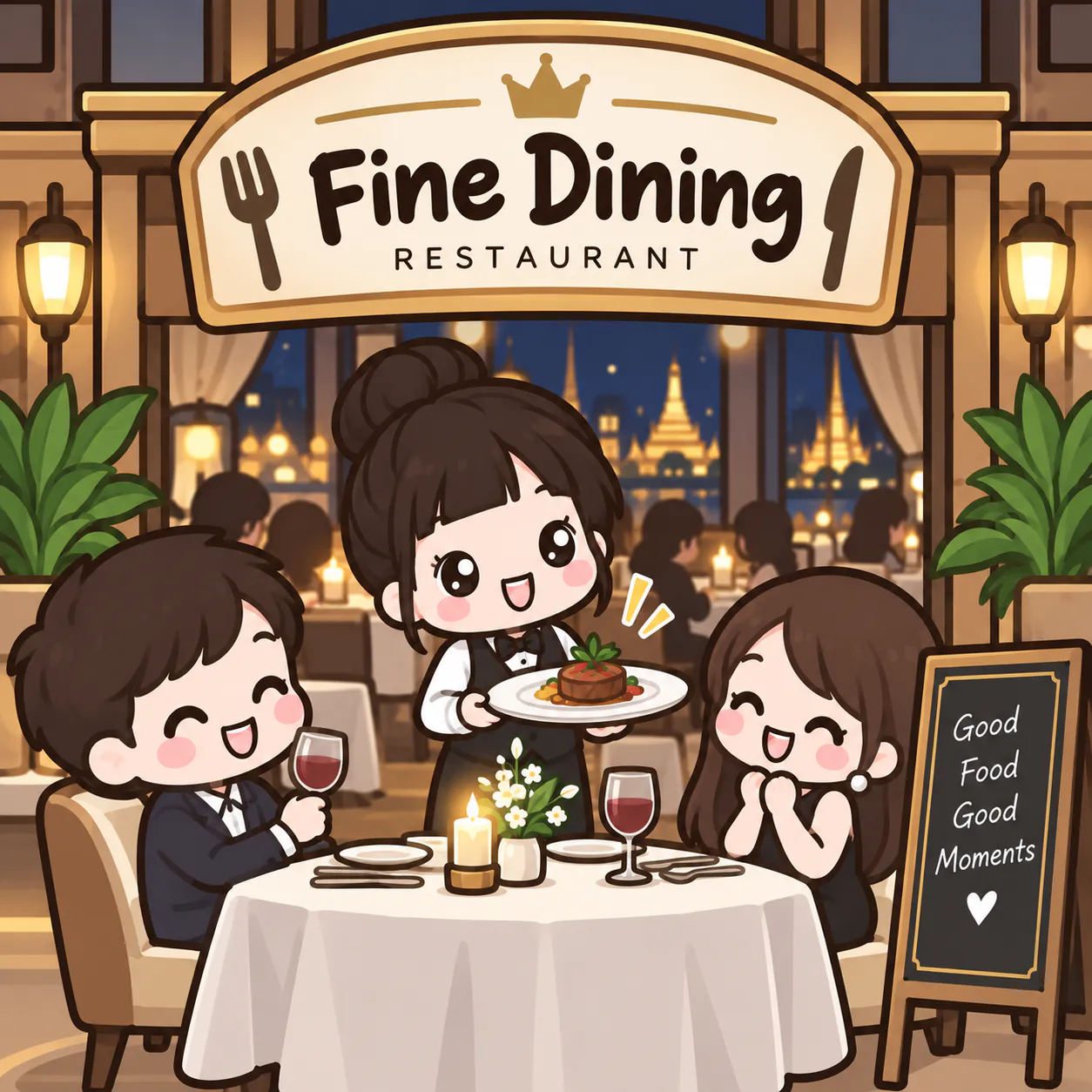
Fine dining
ร้านอาหารหรู
Refined service, tasting menus, and modern Thai cuisine. Reserve ahead and check the dress code.
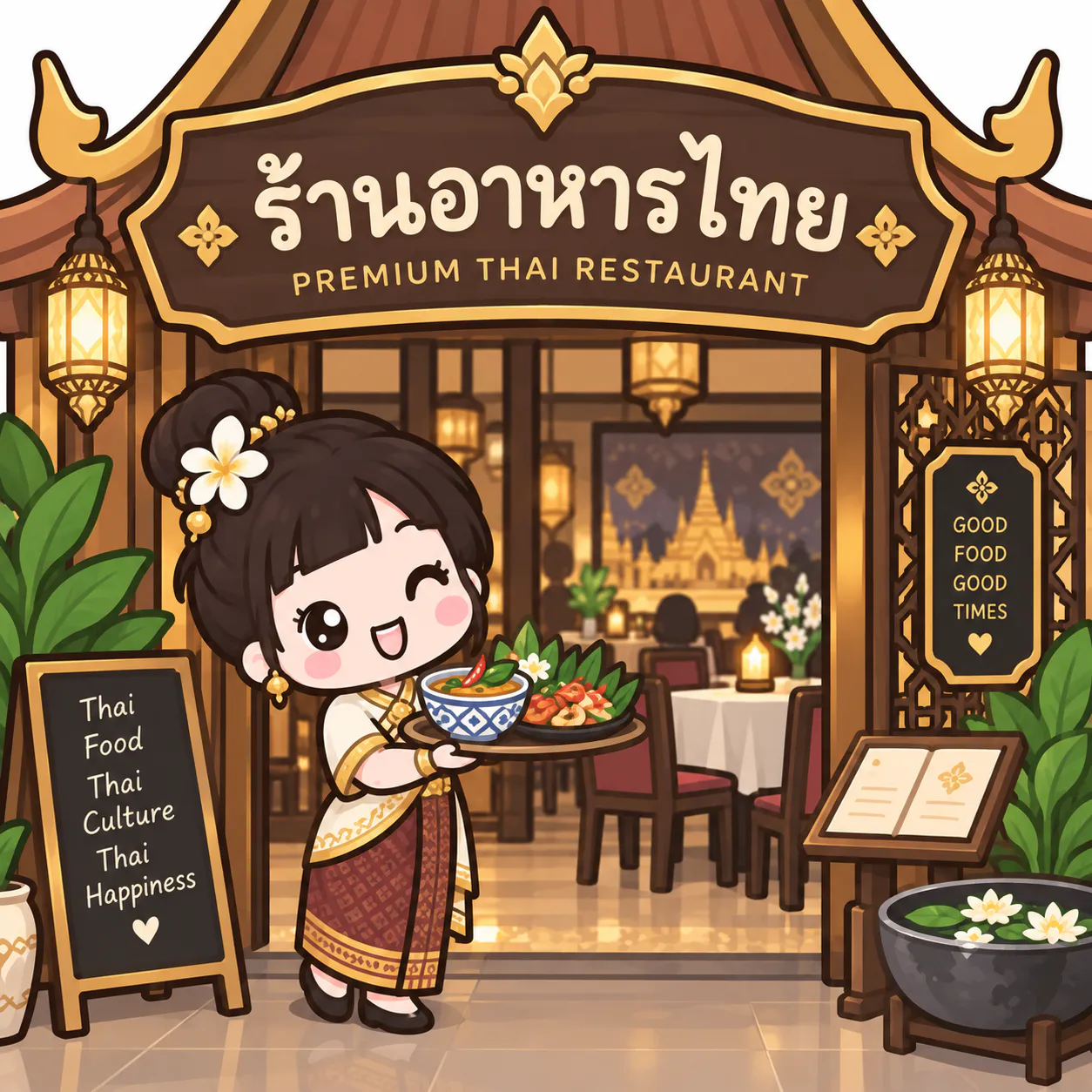
Premium Thai restaurant
ร้านอาหารไทยระดับพรีเมียม
Upscale dining establishments offering exquisite traditional recipes with a modern twist, top-notch hospitality, and higher price points, typically found in high-end tourist districts or inside skyscrapers in downtown city centres.
02 — What to Order
Types of Thai Dishes
Menus are often grouped by style. Knowing the categories helps you build a balanced meal.
Rice plates
กับข้าว / ข้าวราด
A main over rice — quick, filling, and perfect for one person (e.g. kra pao, fried rice).
Noodles
ก๋วยเตี๋ยว / เส้น
Soup or dry; choose noodle type, protein, and how spicy. Often eaten with chopsticks + spoon.
Curries
แกง
Shared bowls with rice. Green, red, massaman, panang — richness varies; spice is adjustable.
Soups
ต้ม / ซุป
Tom yum, tom kha, clear soups. Often shared — ladle into your own bowl.
Yam salads
ยำ
Spicy-sour salads with herbs. Great with rice; ask for mild if chilli-sensitive.
Grilled & shared
ย่าง / ของแชร์
Seafood, chicken, pork neck — meant for the centre of the table with dipping sauces.
Sweets & drinks
ของหวาน / เครื่องดื่ม
Thai tea, coconut desserts, fresh juice. Order anytime — not only after the meal.
03 — Ordering Words
Phrases That Get You Fed
Short lines you can say at the counter. Add ครับ (khrap) or ค่ะ (kha) at the end to sound polite.
ขอ…
kor…
I’d like… / Can I have…
เอา…
ao…
I’ll take… (casual)
ไม่เผ็ด
mai ped
No spice
เผ็ดน้อย
ped noi
Mild / a little spicy
ไม่ใส่…
mai sai…
No… (e.g. chilli, ice)
นั่งทานที่นี่
nang taan tee nee
For here / dine in
เอากลับบ้าน
ao glap baan
To go / takeaway
คิดเงินด้วย
kit ngern duay
Check / bill please
เท่าไหร่?
tao rai?
How much?
ขอบคุณครับ/ค่ะ
khop khun khrap/kha
Thank you
ขออีกหนึ่ง
kor eek neung
One more, please
มีเมนูไหม?
mee menu mai?
Do you have a menu?
พี่คะ / พี่ครับ
pee kha / pee khrap
Excuse me — friendly address for someone older
น้องคะ / น้องครับ
nong kha / nong khrap
Excuse me — friendly address for someone younger
คุณคะ / คุณครับ
khun kha / khun khrap
Excuse me — polite and neutral
ไม่เอาอันนี้
mai ao an nee
I don’t want this one
| Thai | Romanization | Meaning |
|---|---|---|
| ร้านอาหาร | raan ahaan | Restaurant |
| เมนู | menu | Menu |
| จาน | jaan | Plate / dish |
| ข้าว | khao | Rice |
| ข้าวเหนียว | khao niao | Sticky rice |
| น้ำ | nam | Water / soup / sauce |
| น้ำเปล่า | nam plao | Plain water |
| พริก | prik | Chilli |
| ไม่ใส่พริก | mai sai prik | No chilli |
| ผัก | pak | Vegetables |
| เนื้อ | neua | Beef / meat |
| ไก่ | gai | Chicken |
| หมู | moo | Pork |
| ทะเล | ta-lay | Seafood |
| มังสวิรัติ | mang-sa-wi-rat | Vegetarian |
| อร่อย | aroi | Delicious |
04 — Practical Tips
Tricks That Make Ordering Easier
Small habits that help you get what you want — without awkward moments.
Point at the menu or a photo. Staff appreciate clear choices more than perfect Thai.
Set spice early — say mai ped or ped noi when you order, not after the first bite.
Share dishes at sit-down places. Order several plates for the table plus rice.
Sticky rice with Isaan food — scoop with your fingers (right hand) or a spoon.
Watch locals at busy stalls. A long queue usually means good food and a fair price.
Cash is king at street stalls and many markets. Keep small bills ready.
Need zero chilli? Say ไม่ใส่พริก — mai sai prik, not only “not spicy.”
For spice levels in more detail, see our guide How spicy is “spicy”?
05 — Table Manners
Thai Dining Etiquette
Relaxed but respectful. Follow these customs and you’ll fit in at almost any table.
Spoon + fork — spoon in the right hand, fork pushes food onto the spoon. Knives are rare.
Chopsticks are mainly for noodles. Don’t stick them upright in a bowl of rice.
Share from the centre — take small portions onto your plate; don’t eat straight from shared dishes.
Don’t waste rice — finish what you take. Leaving a lot can look careless.
Taste before adding chilli, fish sauce, or sugar — many dishes are already balanced.
Say khop khun with a smile. A small wai is welcome when leaving a restaurant.
Feet & shoes — don’t put feet on chairs; remove shoes only if the venue asks.
Speak softly and wait your turn at busy counters. Patience is part of the culture.
Ready to Order with Confidence?
Explore more Thai dishes — or fine-tune how you ask for spice.