02
History & Heritage
From Huai Chaeramae to Lotus City
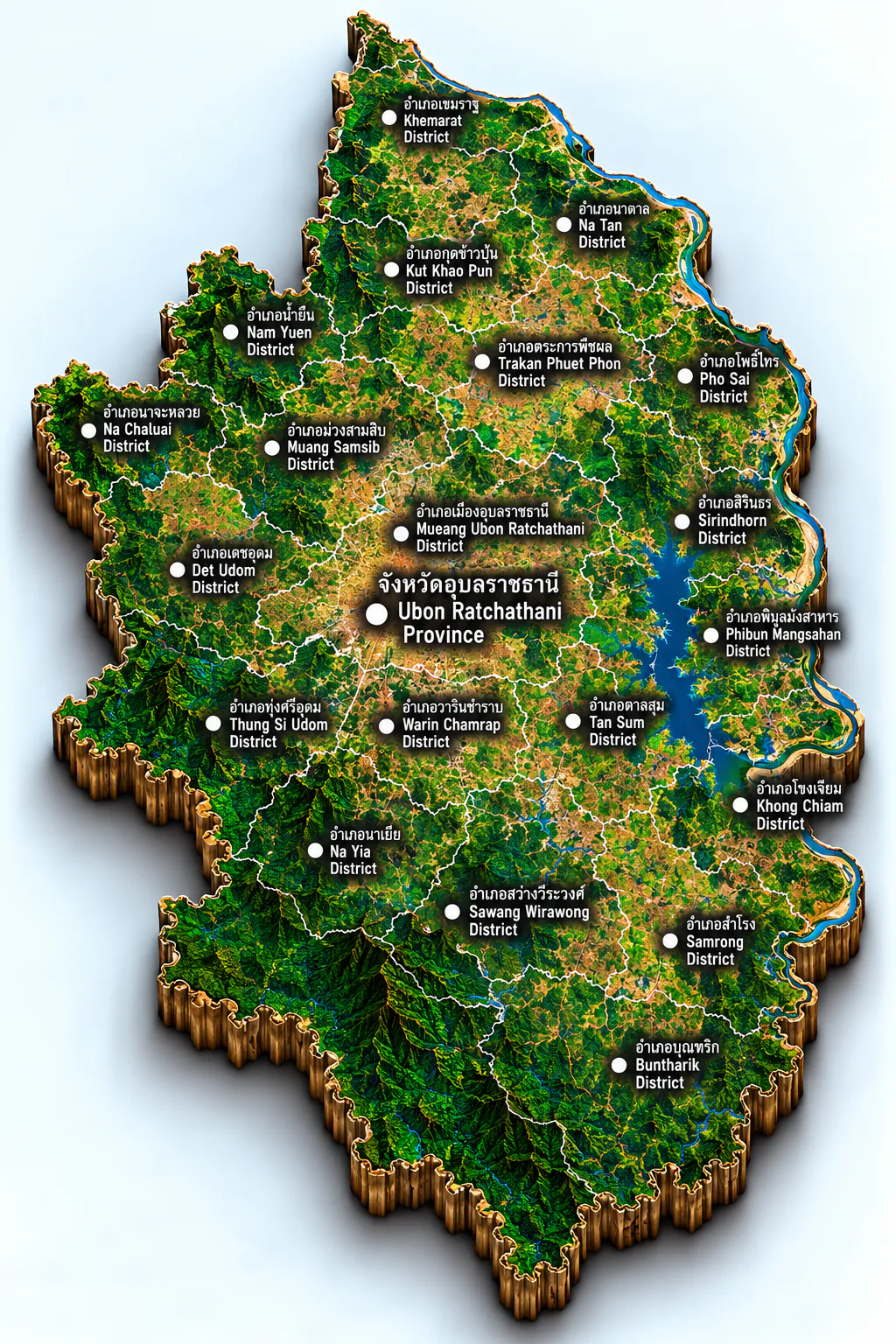
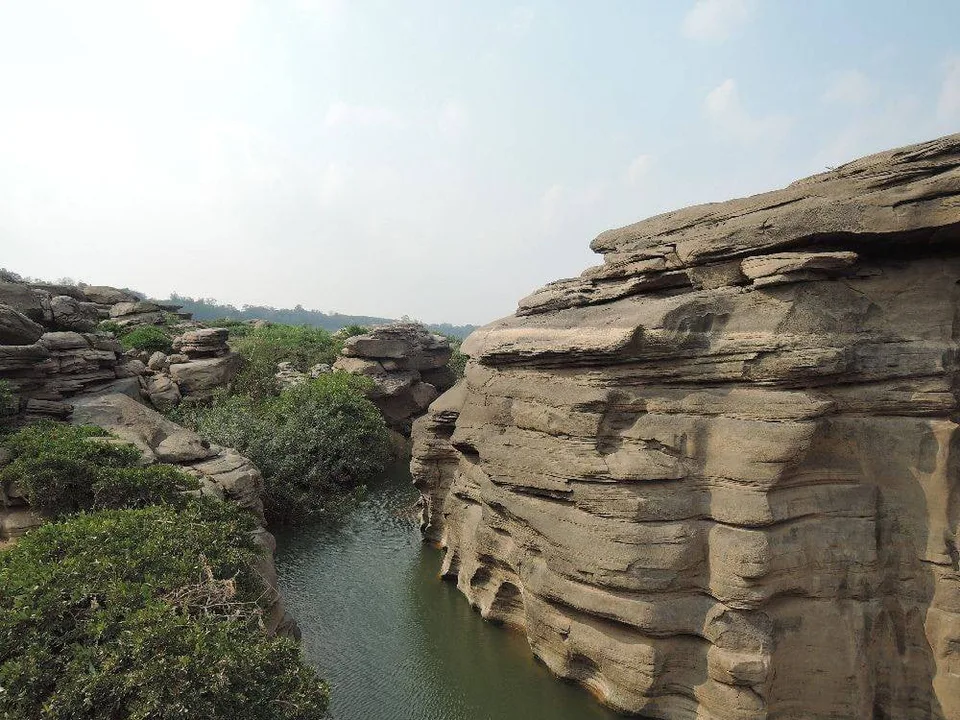
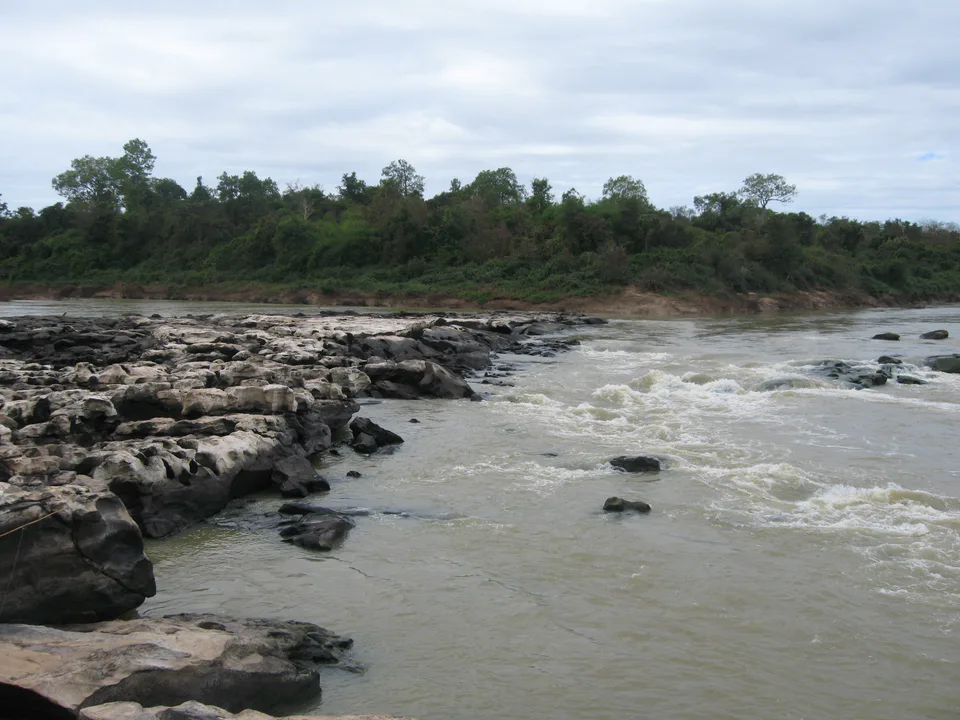
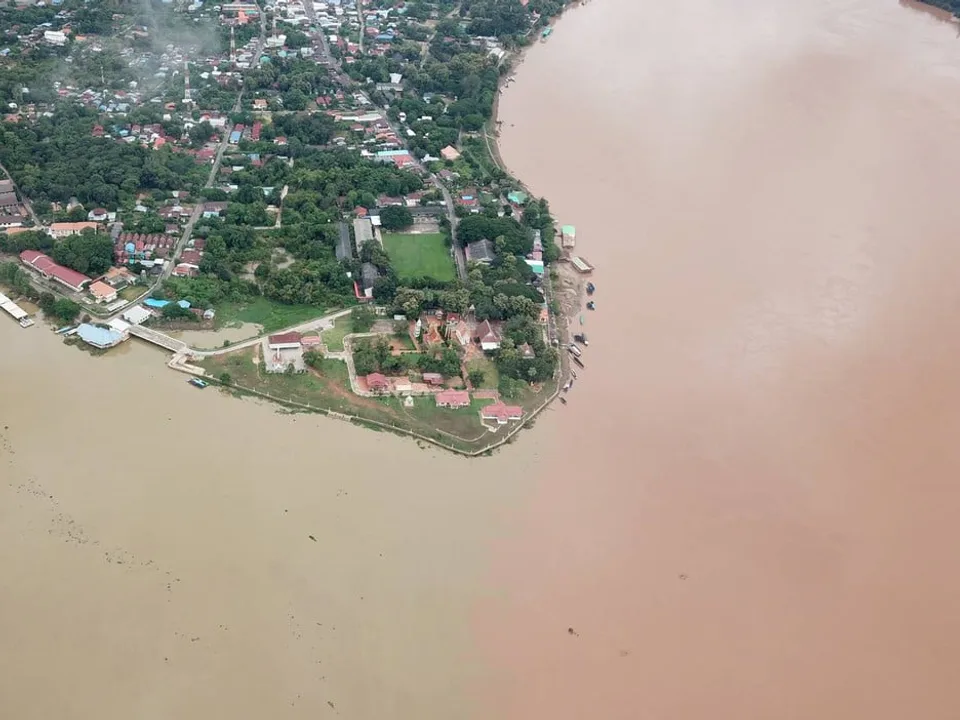
Ubon’s ground was lived on long before the lotus city had a name. At Ban Kan Lueang in Kham Yai, a Fine Arts Department dig in 1996 found beads, pottery, bronze bells, iron axes, and rice husks from a late metal-age community some 2,500 to 2,800 years old, and prehistoric paintings at Pha Taem still face the Mekong. The provincial chronicle traces a princely line from Chiang Rung to Nong Bua Lamphu, and to Chao Phra Ta and his son Thao Kham Phong. In 1786 (B.E. 2329) Thao Kham Phong — Phra Prathum — settled his people at Tambon Chaeramae, north of today’s town. A border war made the city official: in 1791 (B.E. 2334) he and his younger brother Thao Fai Na broke Ai Chiang Kaeo’s revolt at Kaeng Tana, in today’s Khong Chiam. On Monday, the 13th waning of the eighth lunar month, Chula Sakarat 1154 (1792), King Rama I sent Thao Fai Na to rule Champasak and raised Phra Prathum to Phra Prathum Worarat Suriyawong, first ruler of Mueang Ubon Ratchathani Si Wanalai. Ban Huai Chaeramae had become the lotus city.
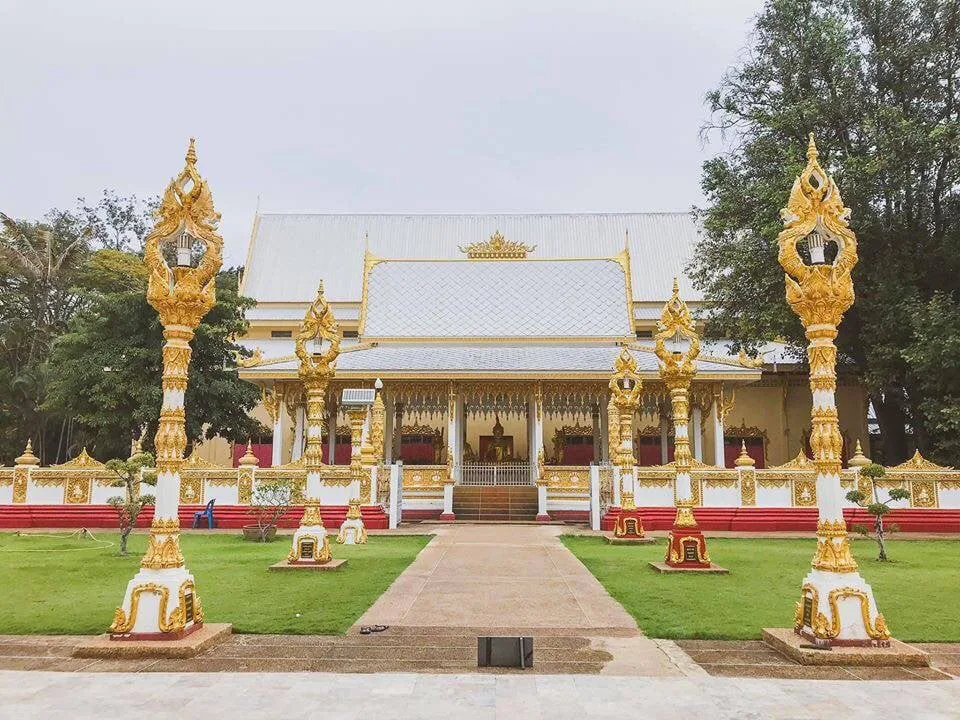
Four hereditary rulers left the town its oldest temples. Phra Prathum (1792–1795) cut the moat and gates and built princely halls and royal monasteries in a Luang Prabang manner. His younger brother Phra Phrom Worarat Suriyawong (1795–1845) founded Wat Pa Luang and raised the great brick Buddha Phra Chao Yai In Plaeng, now the principal image at Wat Maha Wanaram. Under Phra Phrom Ratchawongsa (Ku Thong Suwannakut, 1845–1866) the Thammayut order took root: Wat Supattanaram rose at King Rama IV’s wish, and kin built Wat Si Ubon Rattanaram and Wat Suthat. Chao Phrom Thewanukhro Wong (Chao Nokham, 1866–1882), brother of a Rama IV consort, added Wat Chai Mongkhon, the fourth Thammayut temple — years also shadowed by a feud with the upahat and ratchawong that both parties carried to Bangkok.
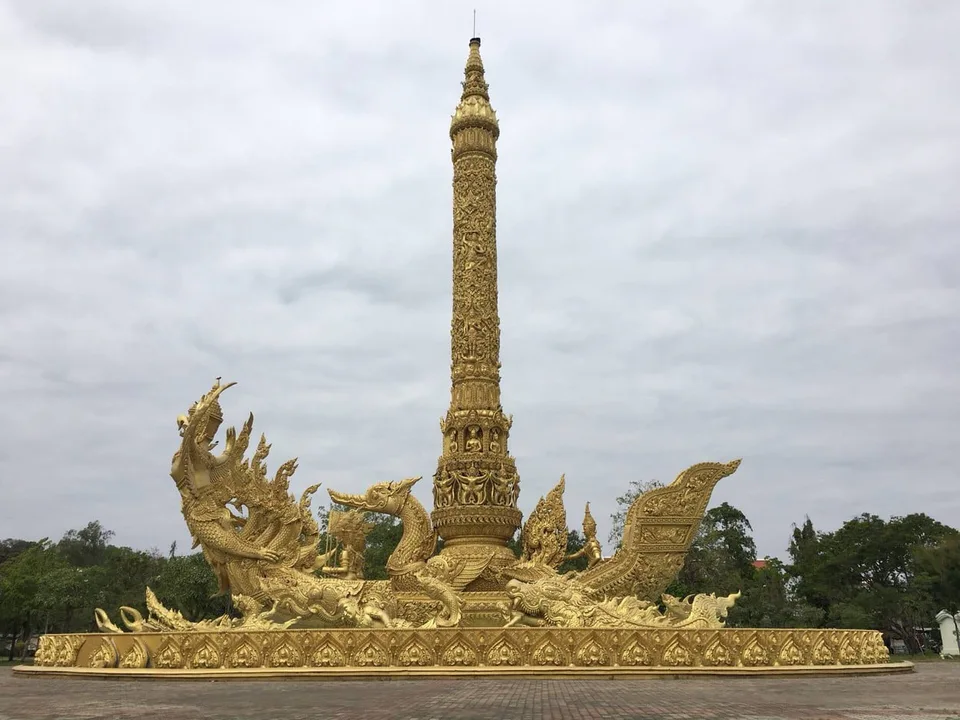
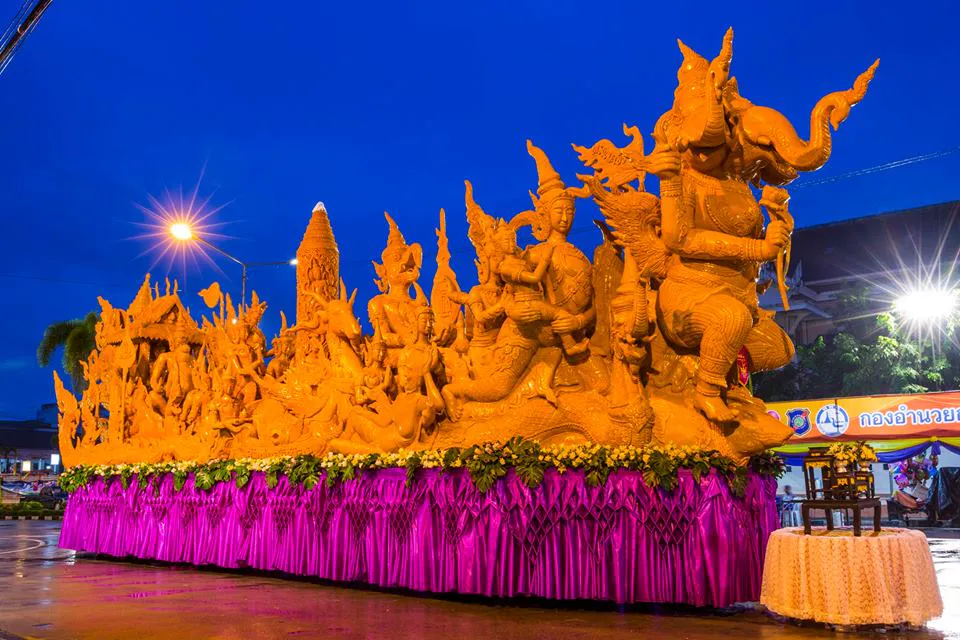
After Chao Nokham’s death the hereditary line ended and Bangkok-appointed governors took the seat. Monthon Ubon, split from Monthon Isan in 1912 (B.E. 2455), was merged into Monthon Nakhon Ratchasima on 31 March 1926 (B.E. 2469); when the monthon system was abolished in 1933 (B.E. 2476), Ubon stood as a province, then the largest in the kingdom. Yasothon was separated on 1 March 1972 (B.E. 2515), and Amnat Charoen on 1 December 1993 (B.E. 2536). What remains is still the lotus city on the Mun: temple faith, the Candle Festival, and a frontier that looks east to the Mekong.