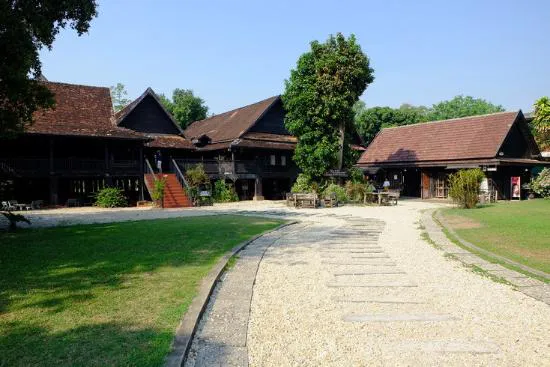
Baan Sao Nak
A century-old teak house raised on 116 pillars — living Lanna architecture you can walk through. Quiet rooms, polished wood, and the scent of old northern wealth.

 ThailandLover
Contact
ลำปาง
City of Horse Carriages
Northern Thailand’s last working horse-carriage town — teak temples, Burmese-style wats, Wang River evenings, and the quiet Lanna charm that travellers find beyond Chiang Mai’s crowds.
01
Geography & Climate
Lampang sits in a broad mountain-ringed basin in upper northern Thailand, shaped by the Wang River as it runs north to south through the province. The widest alluvial plains open around Mueang Lampang, Ko Kha, and Hang Chat, while the Khun Tan Range rises to the west and the Phi Pan Nam Range frames the east and north — including Doi Luang at about 1,697 metres. Roughly 70 percent of the province remains forested, with national parks such as Chae Son, Doi Khun Tan, Tham Pha Thai, and Doi Luang offering waterfalls, hot springs, caves, and highland trails.
The climate is tropical monsoon, and Lampang tends to run warmer and drier than many neighbouring northern provinces. Expect a hot stretch from mid-February to mid-May (April is often the fiercest), green rains from mid-May to mid-October, and a cool, clearer dry season from mid-October through mid-February.
Best time: November – February for cool, clear days in the old town and around the temples; May – October for lush forest parks, waterfalls, and quieter carriage rides after the rains.

02
History & Heritage
Lampang is one of the oldest cities in northern Thailand. Legend and chronicles place its founding in the Hariphunchai era, when Prince Anantayot — son of Queen Chamadevi — established the fortified settlement of Khelang Nakhon along the Wang River. Theravada Buddhism took root early, and the sacred compound of Wat Phra That Lampang Luang still stands as the province’s spiritual heart — a rare wooden Lanna ensemble whose white-rooster gateway lives on in the provincial seal.
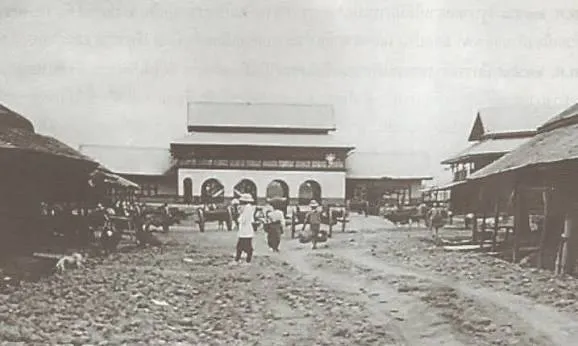
Through the Lanna centuries the town rose and fell with northern wars. In 1732 the local marksman Nan Thip Chang began an uprising at Wat Phra That Lampang Luang that freed Lampang from Burmese rule; his descendants later governed Lanna until Siam’s consolidation. The late nineteenth century brought a second golden age: British teak concessions drew Burmese and Shan merchants, whose wealth raised the multi-tiered teak temples that still set Lampang apart — Wat Si Chum, Wat Si Rong Muang, Wat Pa Fang — while Kad Kong Ta thrived as a riverside timber port.
The Northern Line railway reached Lampang in the 1910s, stitching the old teak town into modern Siam. Horse carriages that once served the boom years remain the city’s living emblem — a reminder that Lampang’s heritage is not only in stone and teak, but still moving through its streets.
03
Top Attractions
Temples, teak heritage, mountain parks, and carriage-town classics — thirty places that shape a Lampang journey.
A century-old teak house raised on 116 pillars — living Lanna architecture you can walk through. Quiet rooms, polished wood, and the scent of old northern wealth.

A small mountain village in Mueang Pan wrapped in tea-leaf gardens and slow highland life. Homestays, miang culture, and nights quiet enough to hear the hills.

Hot springs and Chae Son Waterfall under a green canopy — soak, swim, and breathe mountain air. Lampang’s favourite nature reset when the city pace is done.
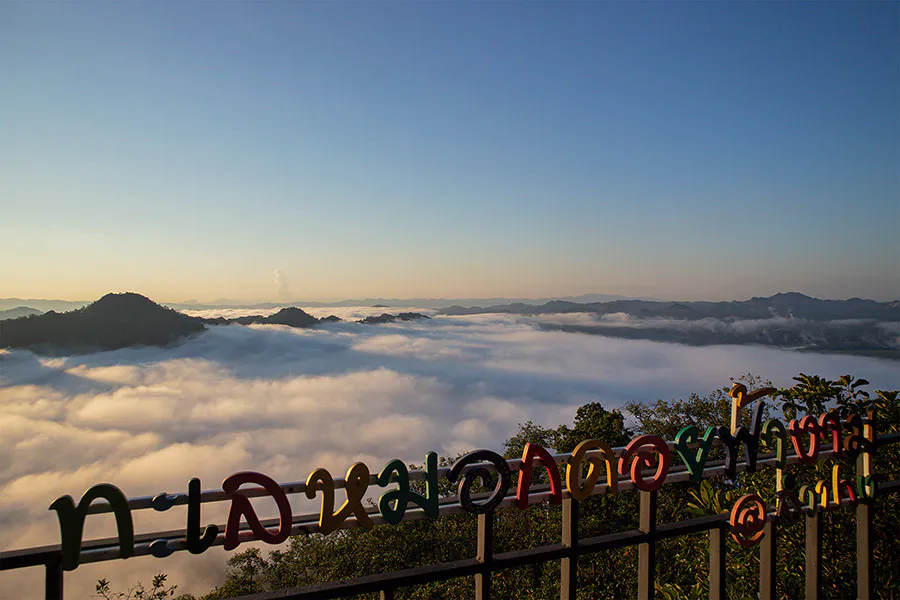
A high lookout over Lampang city and the Wang basin — come for sunrise, mist, and a panoramic sense of where the carriage town sits in its mountain ring.

Thailand’s oldest national park, straddling the Lampang–Lamphun ridge — trekking, camping, and winter sea-of-fog mornings above the teak hills.

A wide, quiet reservoir in Mae Moh country — walk the banks, watch the light change, and stay for sunset if the sky cooperates.
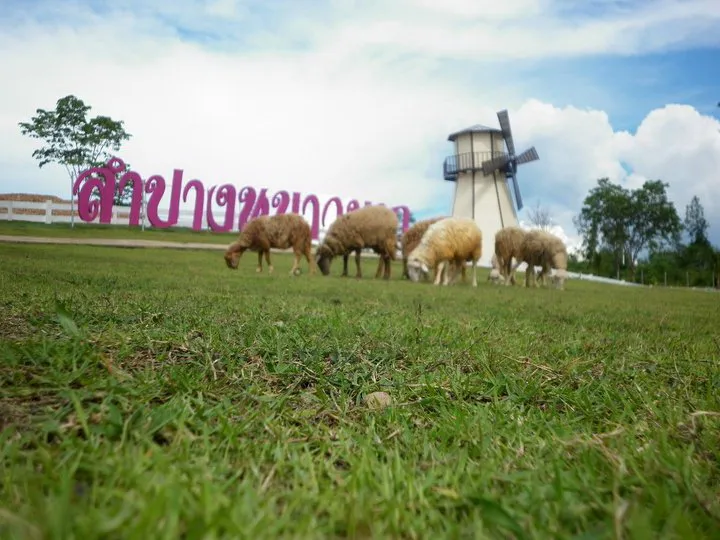
A gentle farm stop in Ko Kha — feed the sheep, snap soft countryside photos, and let kids set the pace. Easy, sunny, and happily unhurried.

Colourful murals weaving local stories through an old market lane — casual photo walks and a creative pulse in the city fabric.

Weekend nights along the old river market — teak houses, northern plates, crafts, and carriage-town glow. Saturday–Sunday slow evenings done right.

The classic Lampang souvenir market near Hang Chat — northern snacks, dried fruits, ceramics, and last-minute gifts before the road home.
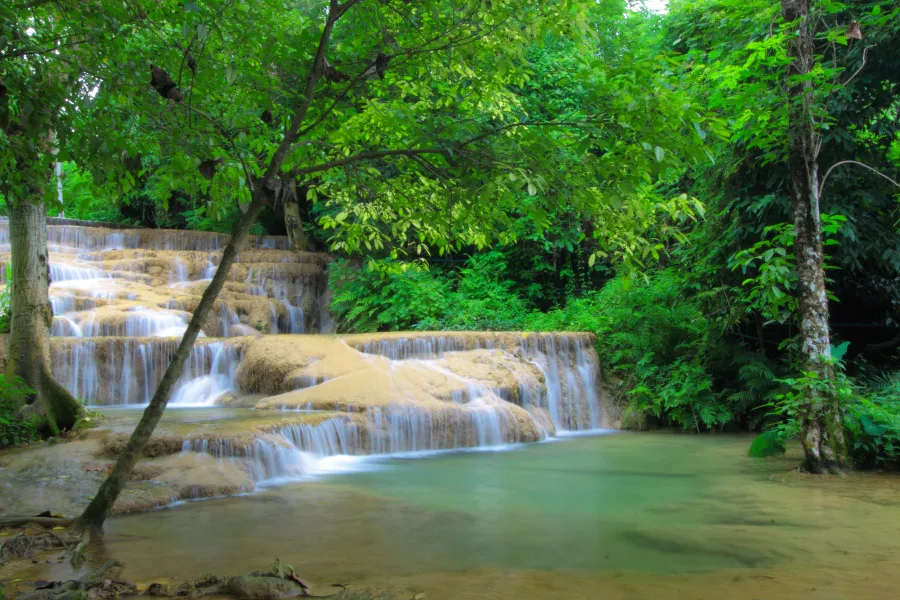
A mid-sized cascade in evergreen Ngao forest with water year-round. Soft paths, cool spray, and the kind of green silence city travellers chase.

An early dam on the Wang River cupped by hills — boat rides, soft shoreline breezes, and an easy nature day without rushing.
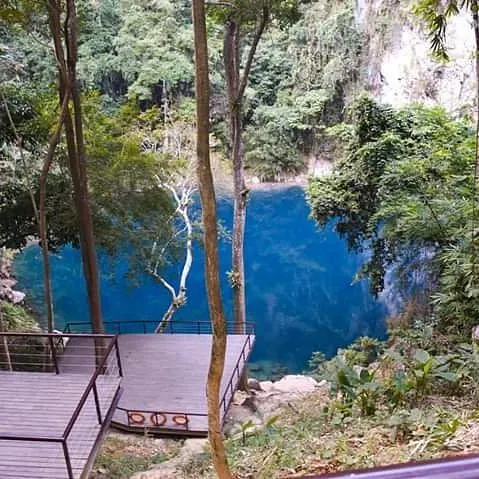
An emerald natural pool hidden in the forest — adventure-light, photogenic, and still wild enough to feel discovered. Go by day, leave no trace.
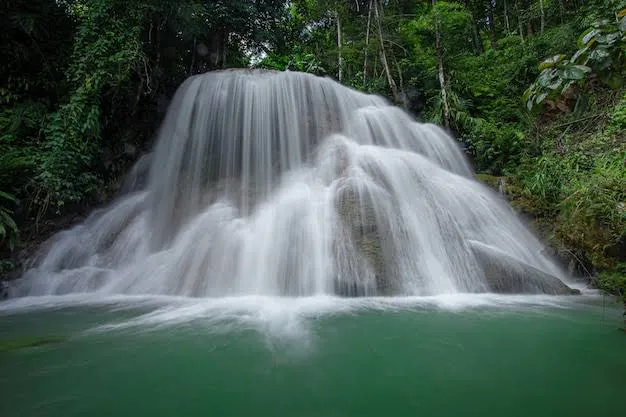
A intimate forest fall for picnics and a cool dip — best in rainy season and early cool months when the stream sings loudest.

Hills of bright yellow buathong blooms in late year — Lampang’s seasonal photo darling. Check bloom timing, arrive early, and let the colour do the talking.
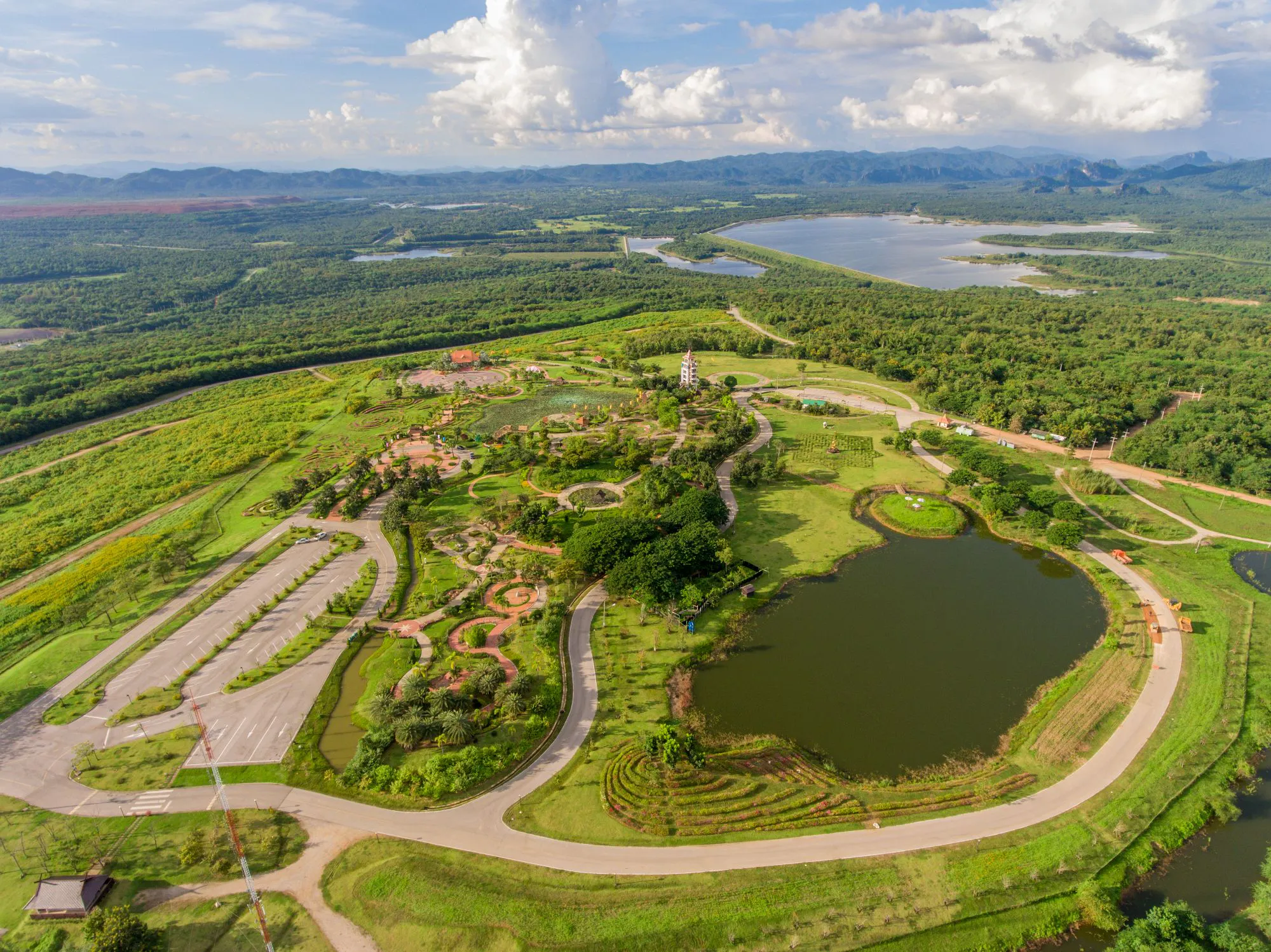
One of Lampang’s biggest learning landscapes — botanical gardens, lignite mine viewpoints, and an energy museum. Ideal for families who want nature with a side of how Thailand keeps the lights on.

A colonial-era station that still greets the Northern Line — arches, teak roofs, and the romance of arrival. One of Lampang’s most photogenic thresholds.

Layered mountain viewpoints for photographers who love ridge lines and open sky. A Mae Moh-side stop that feels far from the highway.
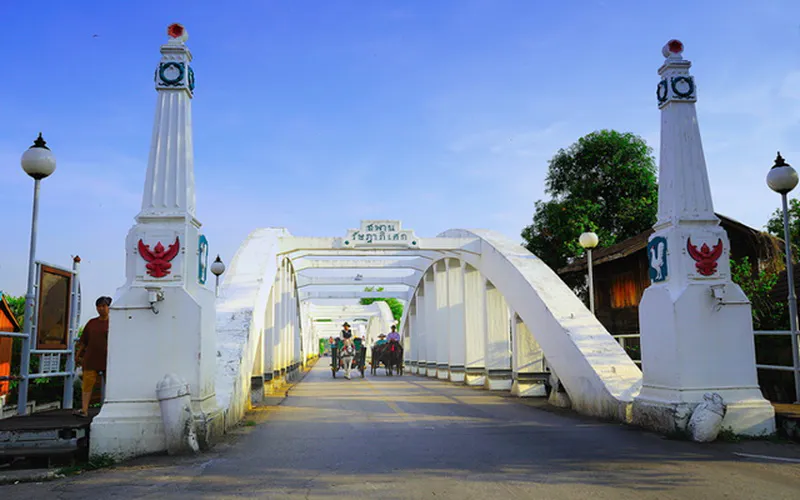
Lampang’s white European-style bridge over the Wang — the city’s postcard promenade for evening walks, soft light, and riverside photos.

Thailand’s flagship elephant sanctuary near Hang Chat — care, education, and gentle encounters rooted in conservation, not spectacle. A meaningful stop for every age.
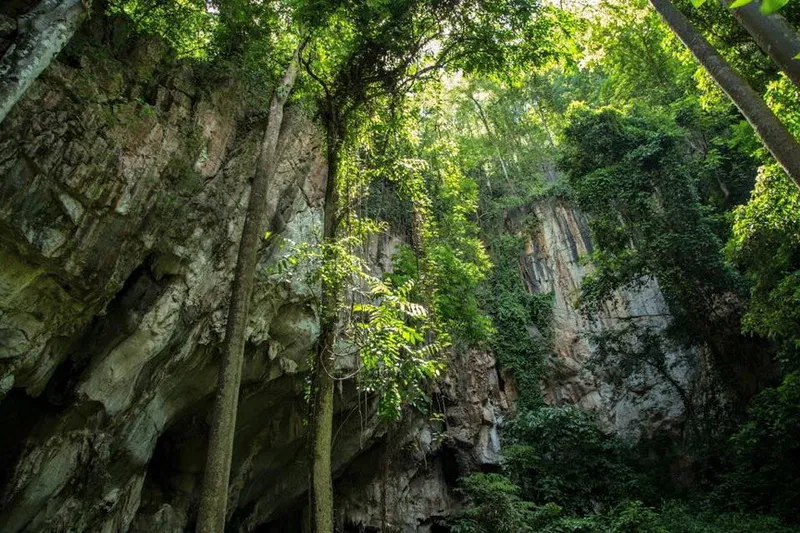
A vast limestone cave of stalactites, cool chambers, and bat colonies — one of the north’s great underground walks. Bring a torch of curiosity and steady shoes.
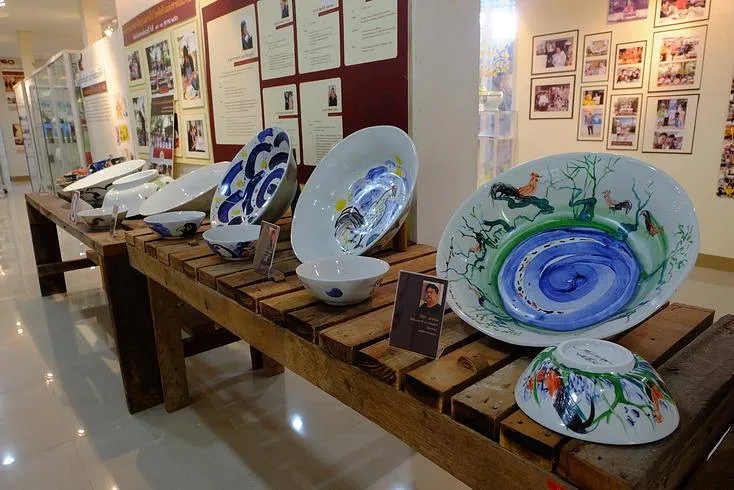
Lampang’s rooster-bowl story told in clay — exhibits, demos, and paint-your-own sessions. Perfect for families and anyone bringing home a piece of the province.
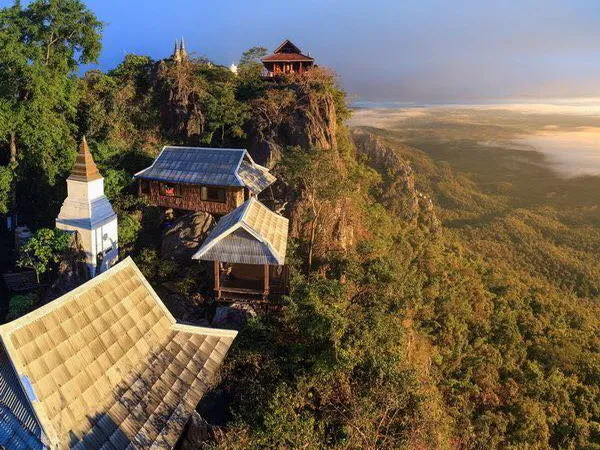
White chedis crowning a limestone ridge above Chae Hom — built in honour of Kings Rama IV and IX. Ride up, climb a few steps, and take in a panorama that rewards every pilgrim and photographer.

Intricate Burmese woodcarving and Shan devotion in Ngao district — a quieter cousin to the city’s teak temples. Pair with Wat Chong Klang for a slow craft-and-faith stroll.

Twenty white chedis stand in luminous rows, tied to Lanna legend and local devotion. A calm city-side temple for blessings and soft evening light.
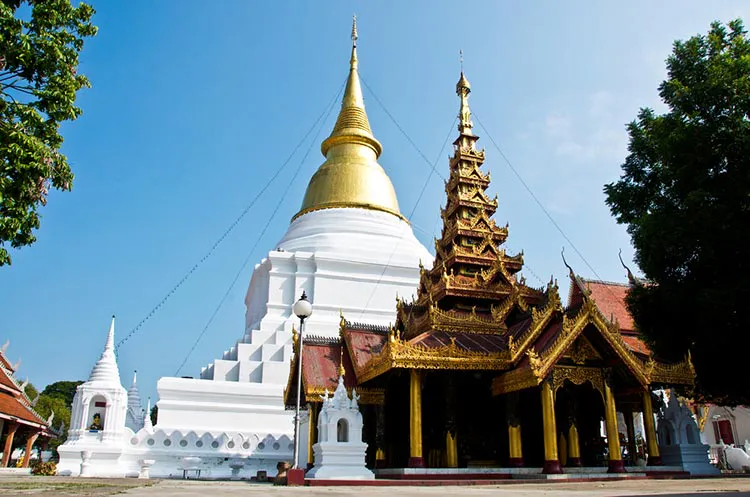
Once home to the Emerald Buddha for decades, this hillside compound pairs a classic Lanna golden chedi with refined halls — history you can feel just minutes from the old town.
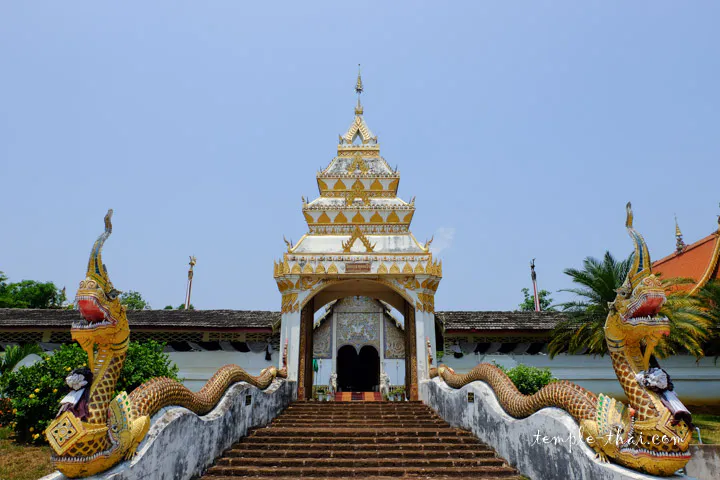
Famous for the upside-down reflection of its sacred chedi in a water basin inside the viharn — a rare optical blessing. Shaded, peaceful, and easy to pair with Ko Kha temple hopping.
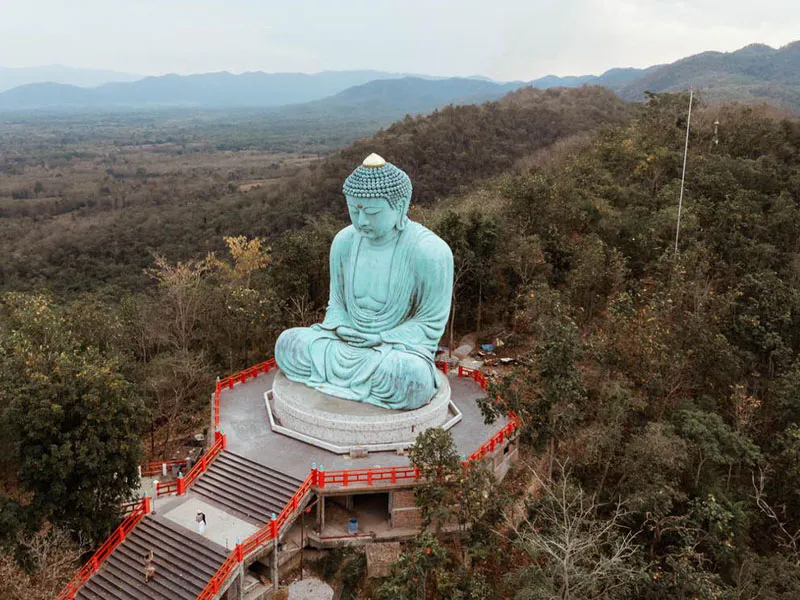
A great white Buddha faces the Mae Tha hills from a misty ridge — sunrise and sea-of-fog mornings are legendary. Quiet, green, and perfect for prayer before the day begins.
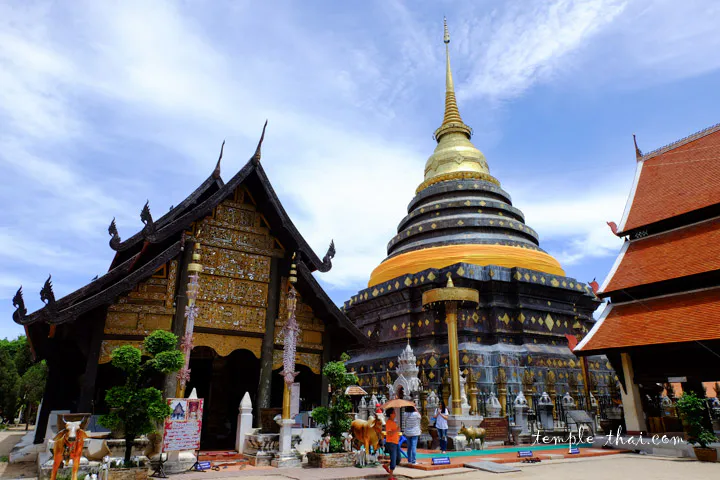
Lampang’s sacred heart — a golden chedi behind glass walls, ancient wooden viharns, and murals that still glow with Lanna faith. Come for blessings, stay for the quiet beauty of Thailand’s finest teak temple compound.

An old-town jewel where Lanna, Burmese, and Chinese craft meet in one wooden viharn — UNESCO Asia-Pacific heritage award winner. Slow walking and close looking repay you here.
04
Popular Restaurants in Lampang
Horse-carriage evenings deserve a proper table. From teak-house rice porridge near Kad Kong Ta to riverside jum pots and paddy-field sunsets, these ten kitchens show how Lampang eats — northern flavour, local atmosphere, and rooms worth lingering in. Hours can change; tap Location for the latest pin.
Where to Eat
Listed A to Z — tap Location to open the map.

A big, resort-feel dining room with tall glass and space to breathe — air-con inside, lawn tables outside, and a soft soundtrack that keeps families lingering.
Order the classic crispy noodles, fried chicken, and a spread of yum and som tam. Easy parking and a kids’ play corner make this a relaxed out-of-town dinner.
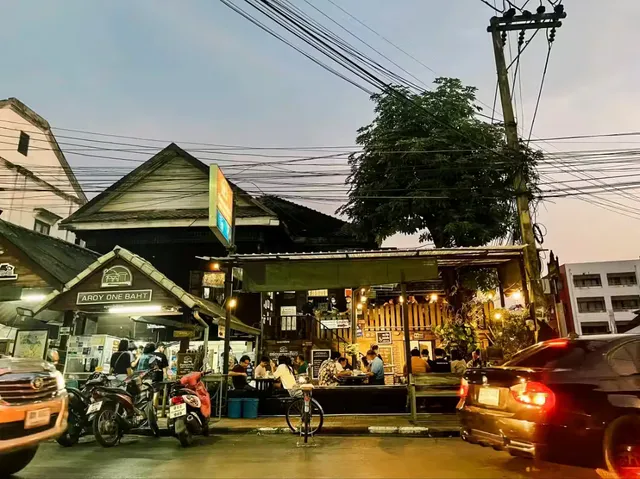
A two-storey teak house behind Wat Suan Dok — warm lamps, crowded tables, and the kind of evening energy Old Town does best.
Come for the budget rice porridge that made the name, then share stir-fried greens, deep-fried sea bass with fish sauce, triple-cooked pork with chilli-salt, and salted-plum soup. Street parking only; arrive hungry.
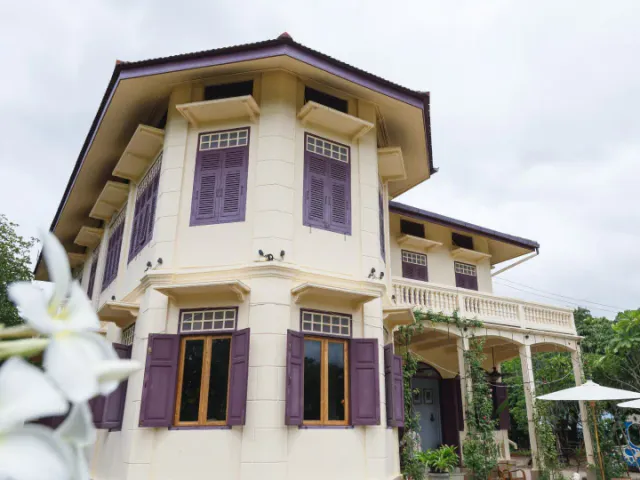
A restored colonial residence under old trees and a fountain — vintage collections, breezy verandas, and air-con rooms that feel more salon than canteen.
Thai fusion shares the menu with khao soi, pad Thai, cocktails, and Thai sweets. One of the most atmospheric in-town stops when you want dinner with heritage.
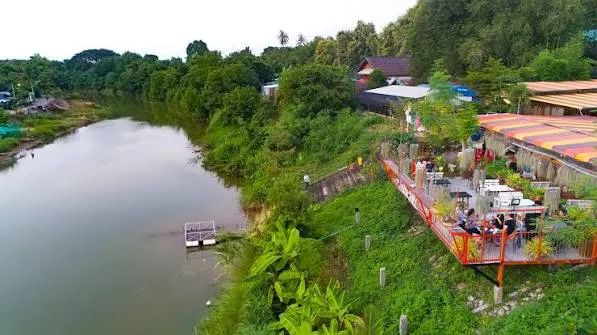
A relaxed Wang River hangout with room for families — soft lighting, easy music, and parking that does not punish a big group.
The house moves are moo jum, pla jum, and a deep, beefy noodle bowl. Add a jelly beer if you are settling in for the evening breeze.
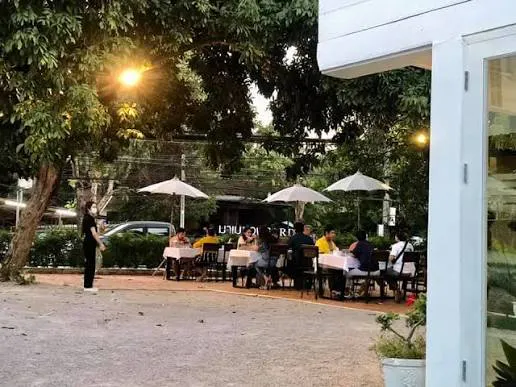
A clean modern white room on the main highway strip — indoor cool and outdoor tables, with parking right where you need it.
Order grilled prawns, pad Thai, crispy pork knuckle, morning-glory yum, snakehead fish luang suan, or gaeng som with cha-om and prawns. A dependable family table after a temple day.
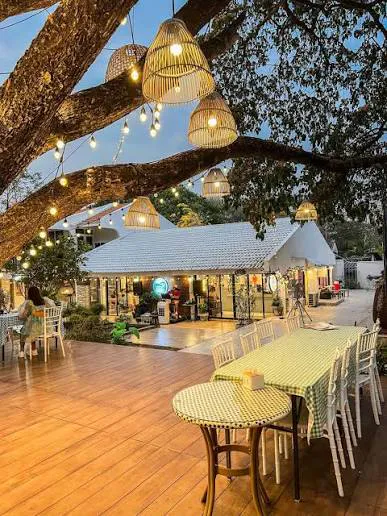
A polished northern kitchen with pretty indoor and garden seating, folk-song evenings, and room to park without stress.
Start with the Nakhon Lampang nam prik set, then hang lay, pork larb, and makhwaen fried chicken — spaghetti and wine sit beside the Lanna plates if your table wants both.

Open air among the paddies — wide decks, breezy terraces, and a sunset that turns the whole compound gold.
The driveway feels narrow, but parking opens up inside. Share deep-fried sea bass with fish sauce, battered prawns, and tom yum gai mueang while the light fades.
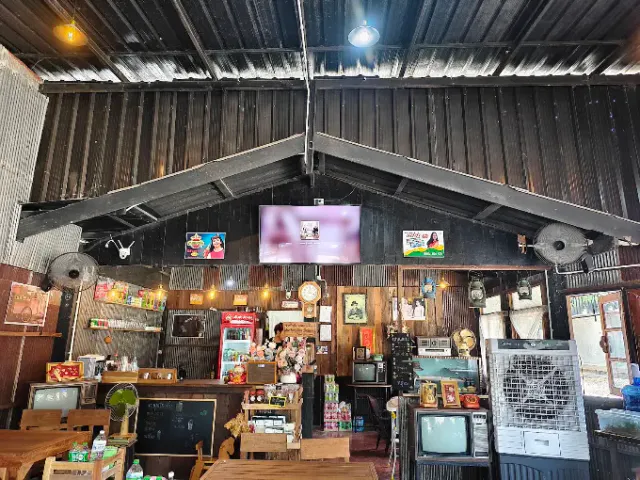
A leafy vintage courtyard built for slow lunches — friendly, unfussy, and priced for everyday northern eating.
Come for stir-fried pork larb and a table of classic mueang side dishes. Easy parking and shade make it a calm midday reset.
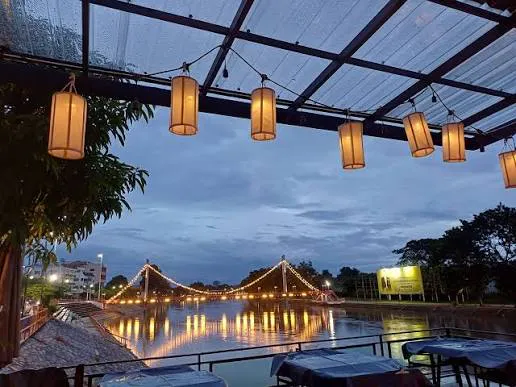
A simple café-restaurant on the Wang with the suspension bridge in view and live music after dark.
Order mueang hors d’oeuvres, prawns in tamarind sauce, stir-fried larb, and other northern plates while the river cools the air. Park along the shoulder or in open lots nearby.

A spacious, leafy beef specialist with clear signage, a wide car park, and a golf-cart shuttle from the lot — outdoor seating welcomes dogs.
Lunch is the window: dry-aged cattle basil stir-fry, stewed shank curry, smoked beef tongue, and a meat-forward pizza. Come hungry before mid-afternoon close.
05
Souvenirs from Lampang
Lampang’s most famous keepsake comes off a potter’s wheel. The chicken-pattern bowl — hand-painted in the kilns that made this the ceramic capital of the north — is the emblem of the horse-carriage town, and it still sells by the crate on every souvenir street. Fill the rest of the bag with sugarcane-glazed rice crisps, herb-loud sausage, and the pungent crab paste northern kitchens cook with all year.
06
Local Culture & Vibe
Lampang keeps time differently. This is the last city in Thailand where horse-drawn carriages still work the streets for a living, so the soundtrack of the old town is hooves on warm asphalt, a driver’s bell, and the slow creak of a wheel rolling past teak shopfronts and Burmese-Lanna temples.
Underneath that easy pace sits a province built on earth and sound. White kaolin clay pulled from Lampang’s hills turned the city into Thailand’s ceramic capital, and the same hills keep a Lanna drum tradition alive in temple halls where giant pu ja drums are still sounded before holy days. Come mid-April and all of it arrives at once — golden bowls, big drums, and a whole city in the water.

07
Travel Info & Getting There
How to reach Lampang from Bangkok, and how to move around once you arrive.
Lampang Airport (LPT) sits on the edge of the city centre, so you can land and be checking into a riverside hotel within 15 minutes. Thai AirAsia flies in from Don Mueang in roughly 1 hour 15 minutes. Services on this route are thin and have changed more than once, so confirm schedules before booking — the dependable backup is Chiang Mai (CNX), then a 1.5–2 hour drive south on Highway 11.
This is the classic way in. Nakhon Lampang Railway Station — a wooden Thai-European landmark standing since 1916 — is about 9–12 hours from Krung Thep Aphiwat Central Terminal. Special Express 7 leaves at 07:30 and arrives just before 16:00 for daylight the whole way; Special Express 13 (20:05) and Express 51 (22:30) get you in next morning. Book a second-class sleeper ahead in cool season. Carry on north and the two-hour run to Chiang Mai threads the Khun Tan tunnel, the longest on the Thai network.
Coaches leave Bangkok’s Mo Chit 2 through the day and evening for Lampang Bus Terminal near the centre — roughly 600 km in about 8.5 to 10 hours. Fares run from around 430 THB for a standard seat to about 870 THB for VIP recliners, with Sombat Tour, Nakhonchai Air, Viriya and Transport Co (999) all working the route. Overnight departures land you in town around dawn.
Horse carriages are for the old-town loop rather than errands — flag one near Wat Phra Kaeo Don Tao for a short circuit or the full hour. Songthaews and motorbike taxis cover the centre, though ride-hailing is patchy. The province’s best days are spread wide: Wat Phra That Lampang Luang is about 18 km southwest, the Thai Elephant Conservation Center roughly 30 km north, and Chae Son’s hot springs closer to 75 km — rent a car or hire a driver and you will see three times as much.
November to February is the sweet spot: cool mornings for temples, clear afternoons in the hills. Mid-April brings Salung Luang, Lampang’s grand Songkran, with golden water bowls and thundering drums. Late February into early April can turn hazy across the north during burning season, while the green months from May to October are quieter and best for Chae Son and Kaofu waterfalls.
Continue the Journey