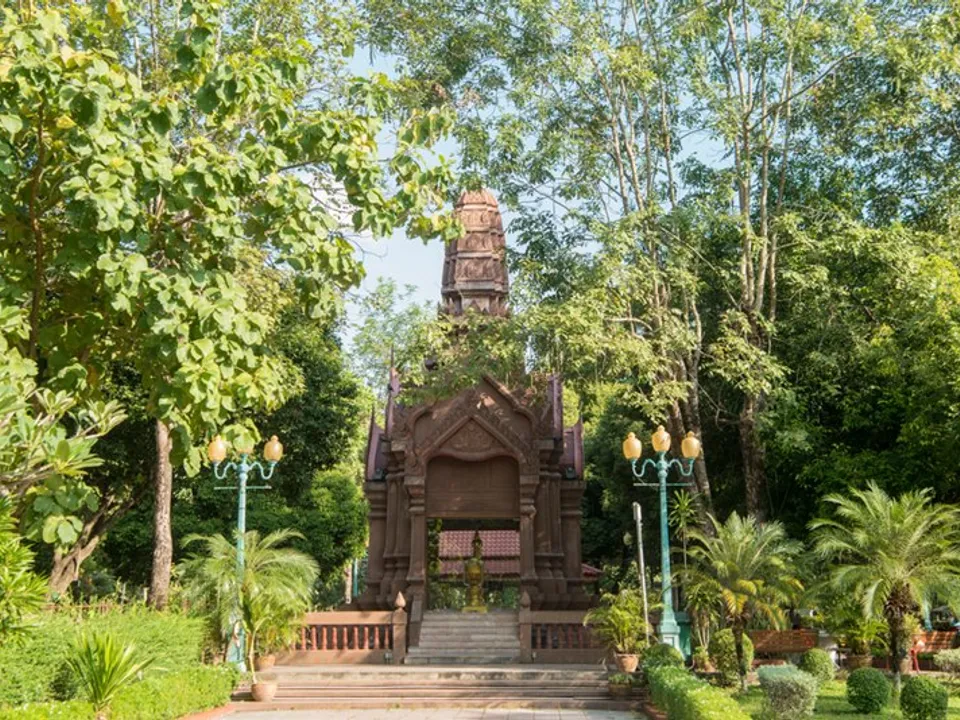
City Pillar Shrine of Kamphaeng Phet
A sacred laterite shrine beside Wat Phra Kaew — more than 700 years old and still the city’s spiritual heart. Locals come to ask for home blessings, lost things returned, and good fortune.

 ThailandLover
Contact
01
Geography & Climate
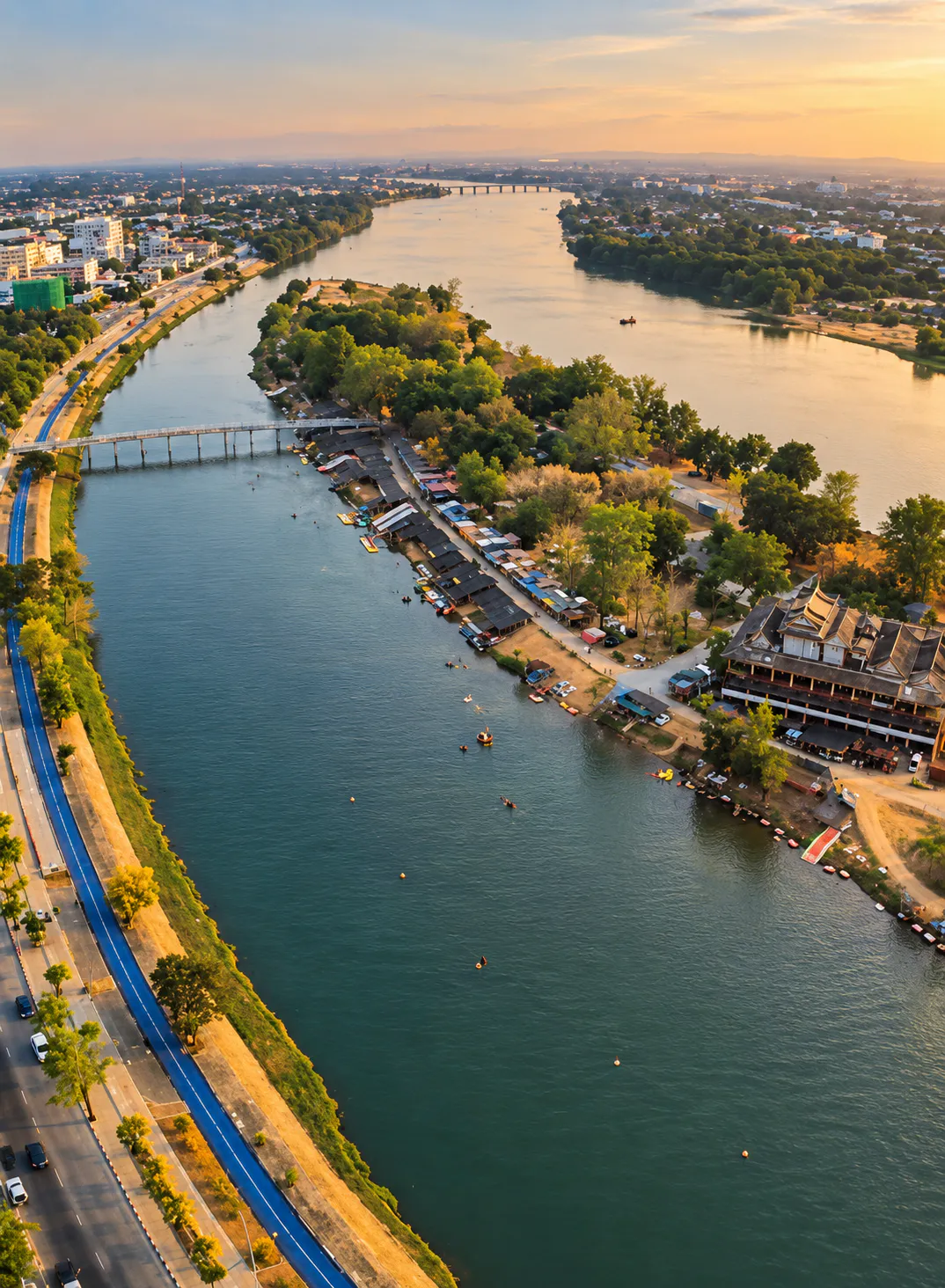
Kamphaeng Phet sits in Thailand’s lower north, shaped by the Ping River and broad alluvial plains that open toward neighbouring Sukhothai and Nakhon Sawan. To the west, forested hills rise toward Tak, giving the province a gentle mix of farmland, riverside towns, and cooler upland pockets.
The climate is tropical monsoon: a cool, dry season from roughly November to February; a hot stretch from March to May; and green rains from May through October that refill rivers and rice fields.
Best time: November – February for clear, comfortable days around the Historical Park and riverside walks; May – October for lush countryside and quieter temple mornings.
02
History & Heritage
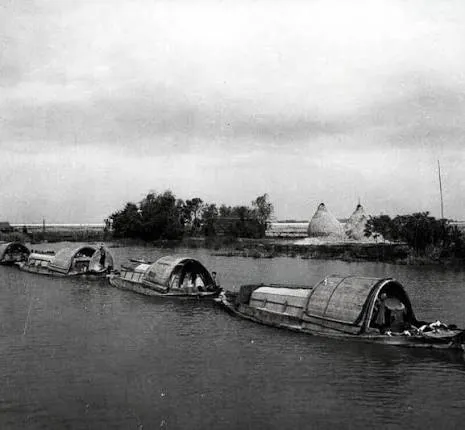
Kamphaeng Phet began as a vital southern frontier of the Sukhothai Kingdom — a strategic garrison town whose laterite walls earned it the name “Diamond Wall.” Settlements along the Ping River reach back to prehistoric and Dvaravati times (roughly the 7th–13th centuries), leaving early city sites such as Mueang Trai Trueng and Mueang Khon Thi.
In the Sukhothai period the town flourished as Mueang Cha Kang Rao, with its twin settlement Nakhon Chum across the Ping — a defensive stronghold and a centre of Buddhism. Under Ayutthaya and Thonburi it became Kamphaeng Phet, famous for fortifications that helped hold back Burmese invasions. King Taksin the Great once governed here as Phraya Wachiraprakan before ascending the throne.
Made an official province in 1916 (B.E. 2459), Kamphaeng Phet entered the modern era with its ancient heart intact. In 1991, Kamphaeng Phet Historical Park joined Sukhothai and Si Satchanalai as a UNESCO World Heritage Site — the quiet third jewel of the old kingdom.
03
Top Attractions
Landmarks and check-in spots that define Kamphaeng Phet.
A sacred laterite shrine beside Wat Phra Kaew — more than 700 years old and still the city’s spiritual heart. Locals come to ask for home blessings, lost things returned, and good fortune.

A chill riverside check-in in Khlong Lan — clear streams, rocky islets, wooden platforms, and mountain fruit orchards. Perfect for a lazy picnic, a dip, or an overnight camp under the hills.

UNESCO World Heritage ruins spanning the old twin towns of Cha Kang Rao and Nakhon Chum. Don’t miss Wat Chang Rop’s elephant-ringed chedi and the towering standing Buddha at Wat Phra Si Iriyabot.
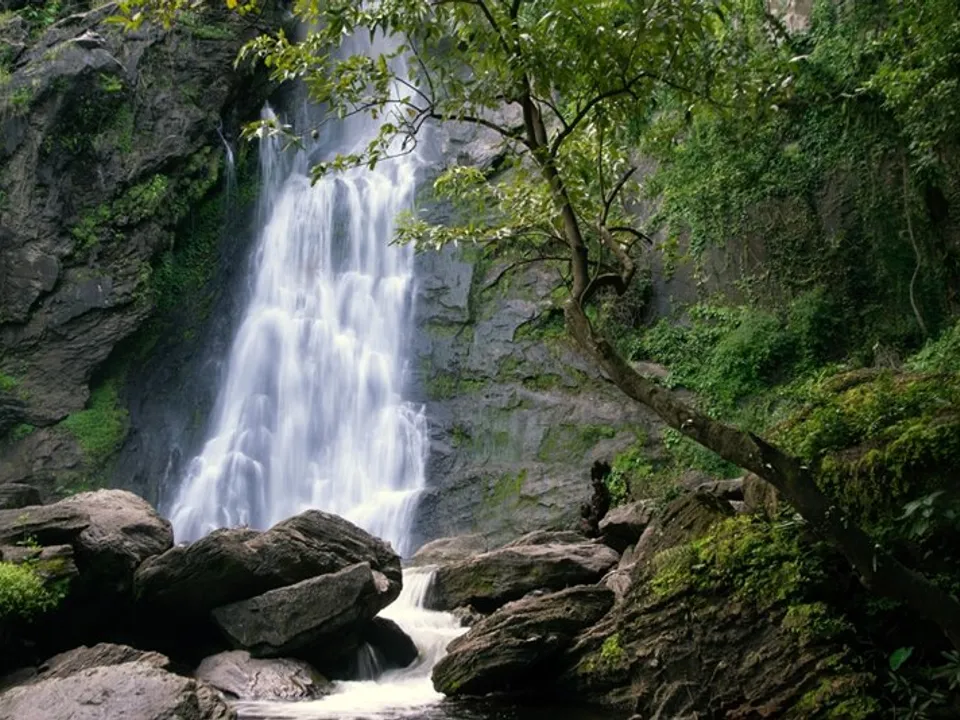
Lush forest and year-round swimming around Khlong Lan Waterfall — a cliff cascade over 100 metres — plus Kaeng Ko Roi, Khlong Suan Mak, and quiet camping beneath the canopy.
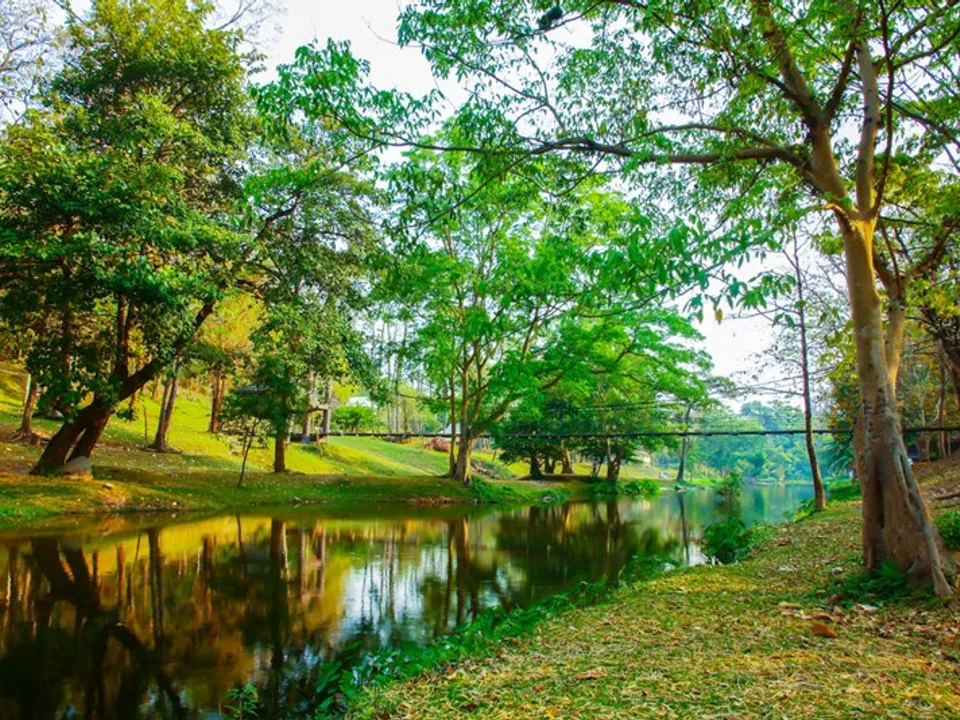
Wild Ping River country shared with Tak — waterfalls like Tao Dam and Khlong Samo Kluai, hot springs, caves of stalactites, and Karen villages still living close to the forest.
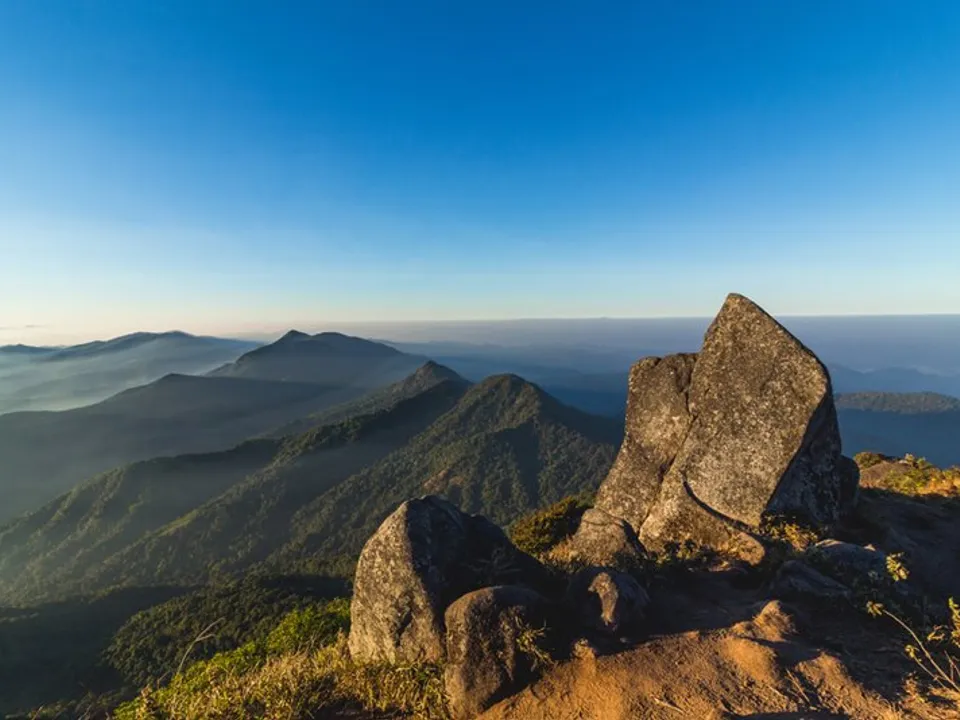
A vast mountain wilderness straddling Kamphaeng Phet and Nakhon Sawan — Chong Yen’s cool misty viewpoints, Kaeng Pha Nang Khoi, Mae Krasa Waterfall, and the legendary trek to Mokoju Peak (1,964 m).
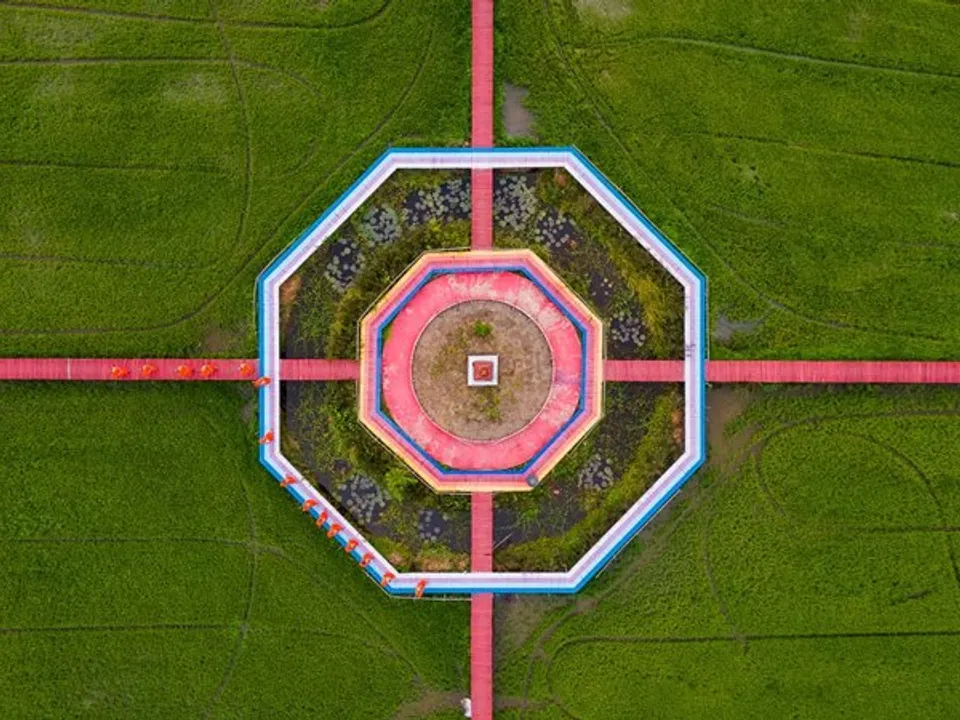
A striking 356-metre walkway over emerald rice fields — the longest of its kind in the lower north — meeting at a shrine to Mae Phosop, goddess of rice. Sunset light and monks on the path make it unforgettable.

Home to Luang Pho Phet — an 800-year-old Chiang Saen bronze Buddha, one of Thailand’s largest and finest — plus a giant Phra Soom Kor for blessings of prosperity and good luck.
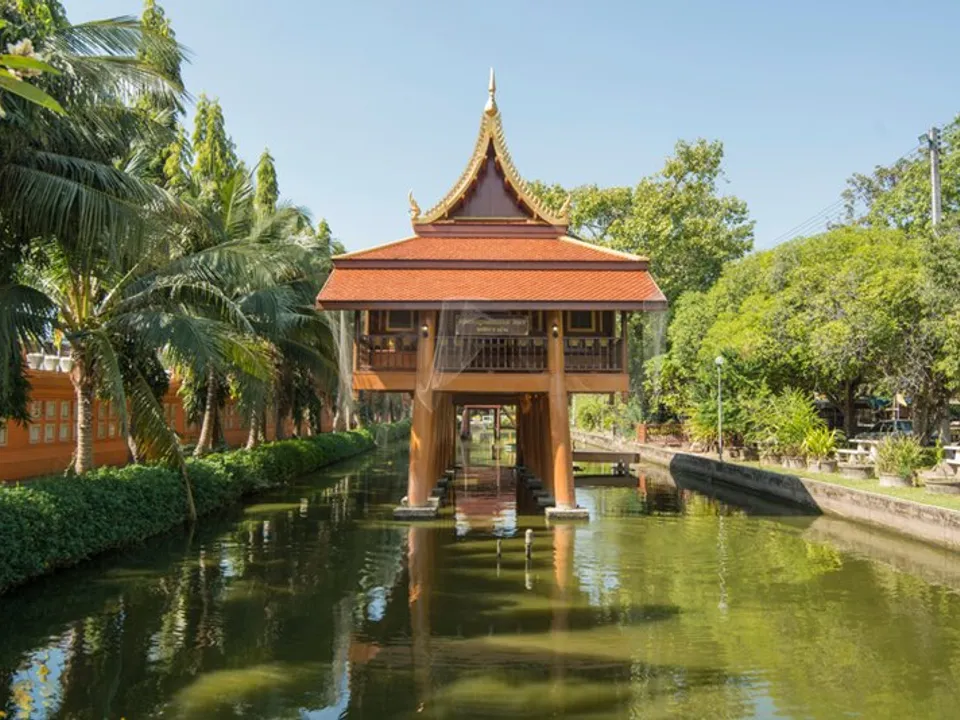
A 400-year-old royal temple famed for its elevated Ho Trai scripture library over the water — classic Rattanakosin craftsmanship — and the sacred Buddha image Phra Phuttha Wachiraprakan.
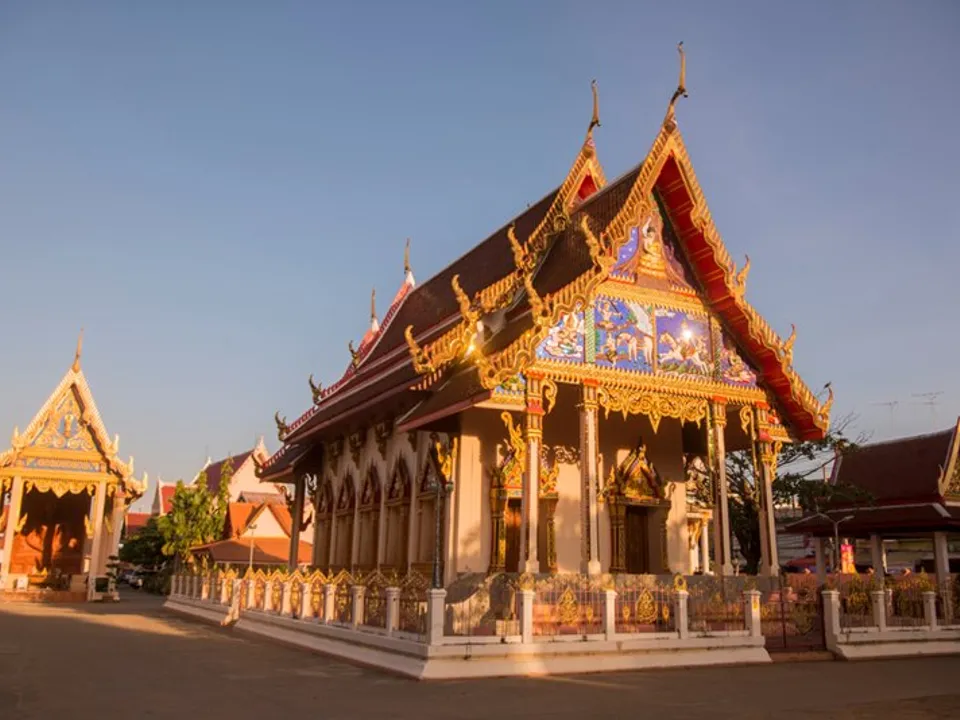
Known locally as Wat Luang Pho Mo — a city temple housing a beloved Rattanakosin stucco Buddha and a deep well of local reverence. A quiet stop for blessings in the heart of town.
Where to Eat
Riverside Thai tables, barn-style cafés in the rice fields, Japanese-cute donuts, and noodle legends on Ratchadamnoen. Listed A to Z; tap Location to open the map.
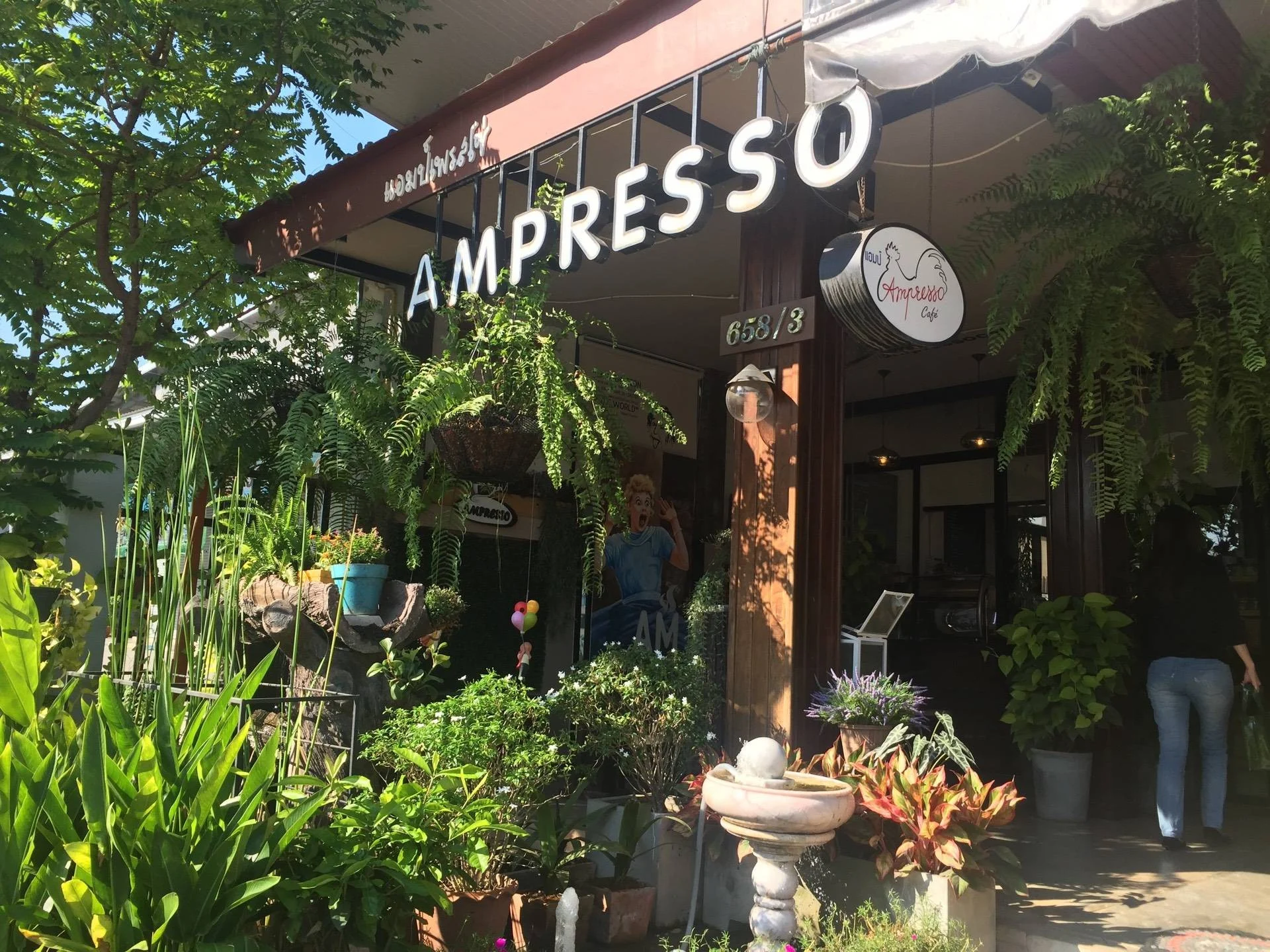
A warm, home-like café in the city centre — bakery, coffee, and an easy daytime menu at gentle prices.
The green tea is the house favourite. Perfect for a quiet morning pause before temple hopping.
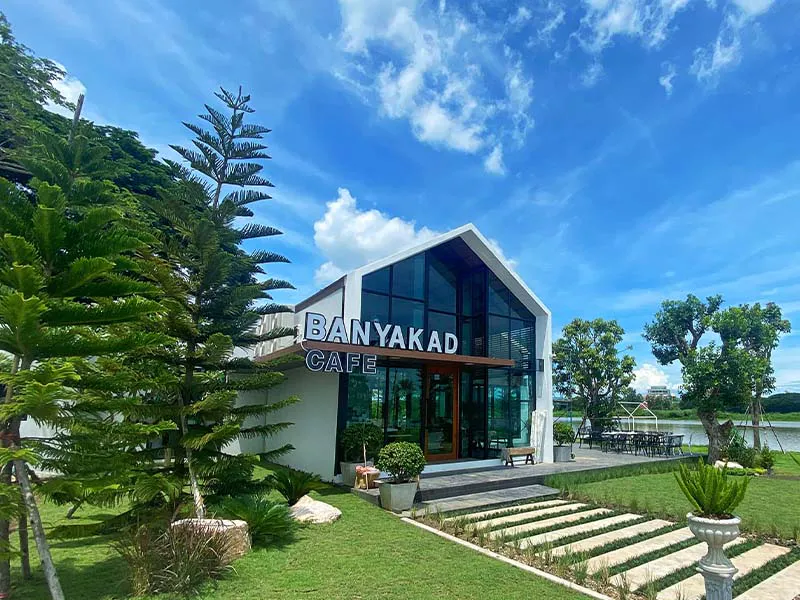
European barn meets modern riverside on the Ping — air-con rooms and waterfront pavilions with golden-hour sunsets.
Come for crab cheese rangkun, crispy pork, pad Thai prawns, BBQ ribs, and the signature Banyakad cocktail while the river turns orange.
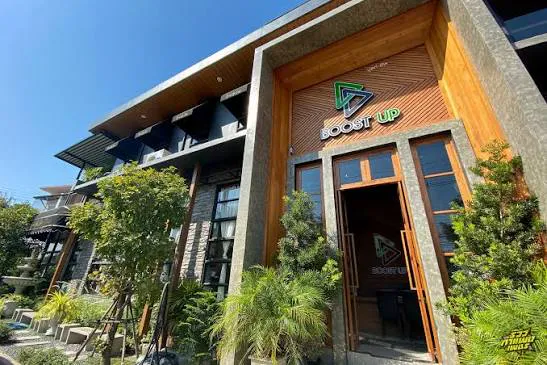
A relaxed café built for both latte breaks and laptop hours — friendly, unfussy, and easy to settle into.
Try the house Black Diamond and Virgin Mojito, then stay for the full drinks board.

A cute Japanese-style café on the main city strip — soft lighting, sweet corners, and a signature Hokkaido cream-filled donut that locals keep recommending.
Pair it with coffee or tea for an easy midtown dessert stop.
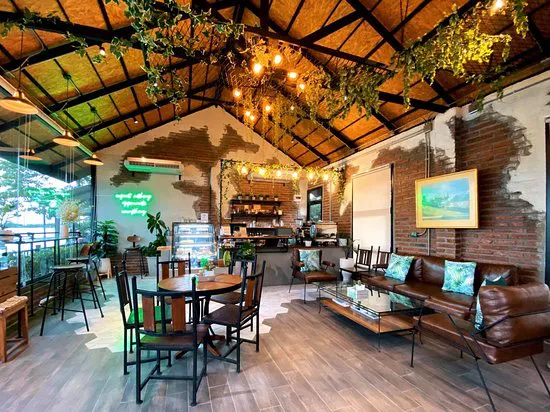
A Ping riverside favourite with outdoor decks, air-con rooms, live music, and old-style Thai heat in the curry.
Order miang som-o with grilled prawns, seabass nam tok, stir-fried sheatfish, or gaeng ranjuan — then watch the sunset from the garden.

A big European barn café set in open rice fields — floor-to-ceiling glass, breezy pavilions, and private huts over fish ponds.
Thai plates run from crispy catfish yum to steamed fish curry and sour soup. Bring a camera; every corner is a check-in.
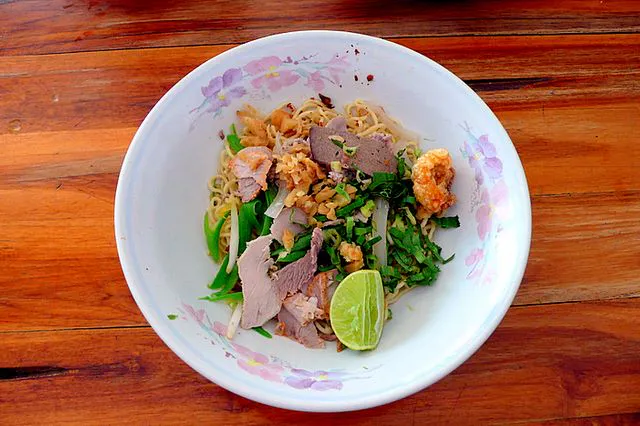
An 80-year-old noodle house on Ratchadamnoen — handmade egg noodles that stay springy and soft, in a rounded, comforting broth.
Long beans and bean sprouts come on the side. A classic Kamphaeng Phet lunch that locals treat as non-negotiable.
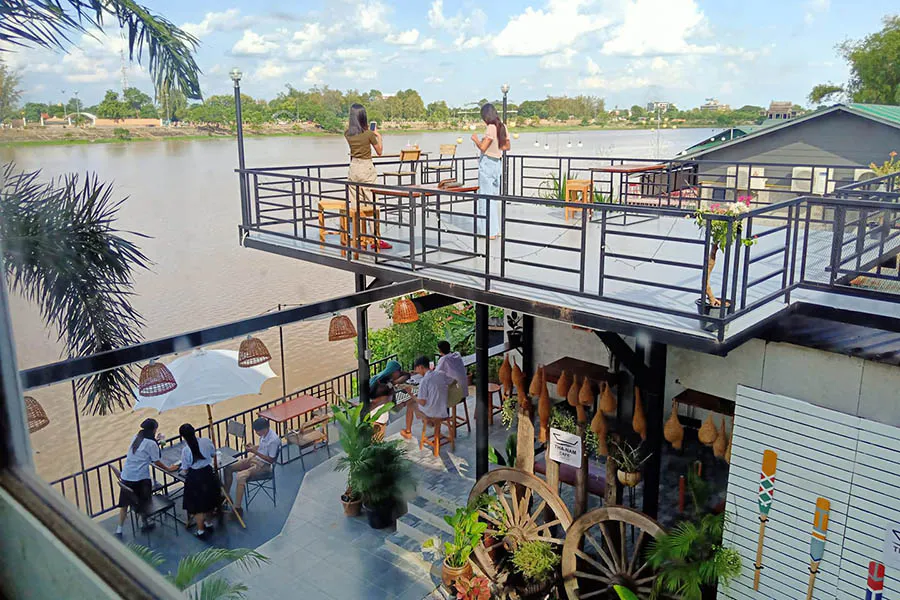
A minimalist white café with panoramic Ping River views — watercolor art on the walls and breezy decks outside.
Coffee, tea, and cake for a slow afternoon; free kayaks wait by the water if you want to paddle after your latte.

Fiery riverside boat noodles that live up to the “blow your mouth” name — stewed pork, stewed chicken, meatballs, marinated pork, and every noodle style from yellow to glass.
Don’t skip the pork satay, boat noodles, khao khluk kapi, or nam prik fried rice. A front café serves coffee, tea, smoothies, and waffles with Ping River views.

A loft-industrial café with exposed steel and raw concrete — Seoul-café vibes in Kamphaeng Phet, complete with resident cats and a pet-friendly welcome.
Coffee, Taiwanese milk tea, peach tea, homemade croffles, and a fiery mama with prawn eggs and fried pork when hunger hits.
04
Egg Bananas, Chewy Noodles & Sweet Crisps
Kamphaeng Phet eats with quiet pride — firm-sweet egg bananas, springy hand-pulled Chakangrao noodles, and classic snack packs that fill every gift bag leaving town. Taste these first.
The province’s signature egg banana — small, firm, and naturally sweet. Eat them fresh from the market, dried for the road, or folded into desserts and snacks that show up all over town.
Hand-pulled local egg noodles famous for a wonderfully chewy, springy bite. Order them dry or in broth at old noodle houses — this is Kamphaeng Phet in a bowl.
A legendary souvenir pairing that has travelled with visitors for generations — sticky-sweet krayasat candy beside packs of egg bananas. The classic gift to bring home from Kamphaeng Phet.
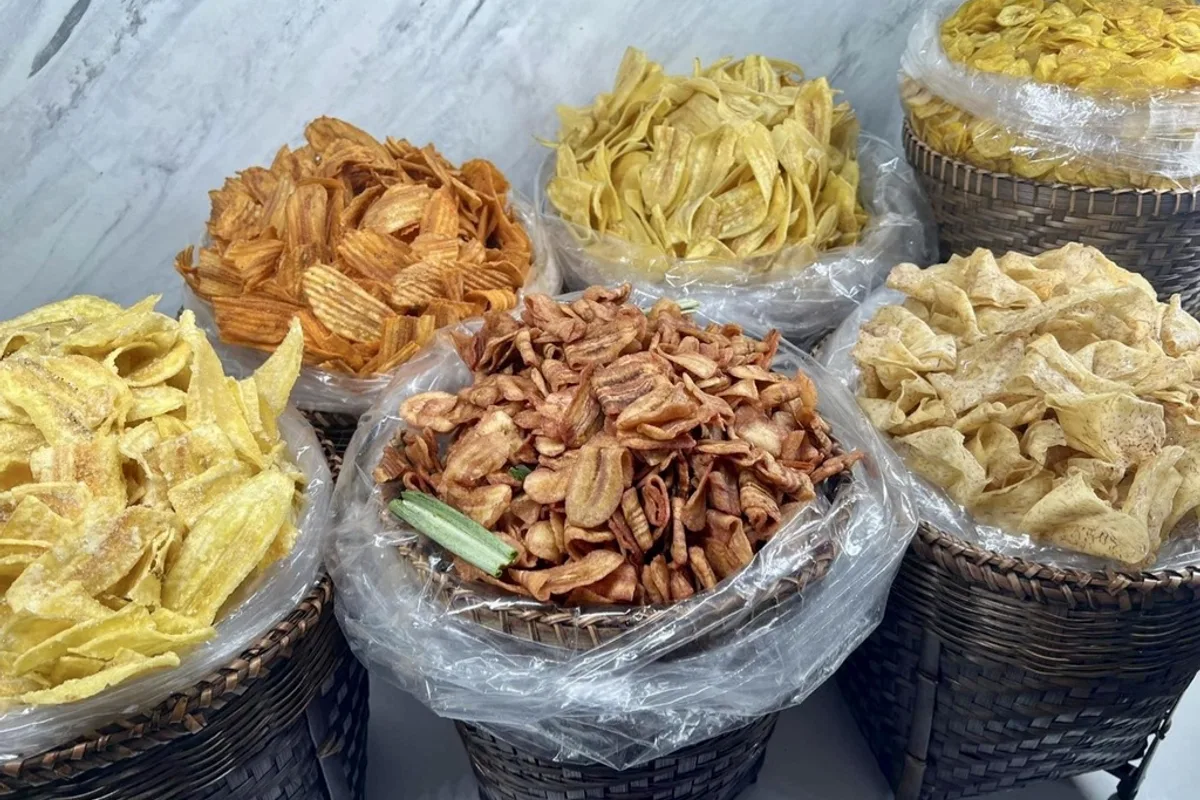
Traditional crispy taro and sweet-potato chips — light, well-balanced between sweet and savoury, and perfect with coffee or as a crunchy takeaway from local snack shops.
05
Local Specialties & Souvenirs
Pack the tastes that define Kamphaeng Phet — egg bananas in every form, sticky-sweet krayasat, and year-round crispy chips from the snack stalls.
06
Local Culture & Vibe
Kamphaeng Phet’s calendar is shaped by faith and fruit. The Sart Thai – Kluai Khai & Local Products Festival falls on the 15th waxing-moon night of the 10th lunar month — merit-making with krayasat sweets and a joyful tribute to the province’s famous egg bananas.
Nop Phra Len Phleng revives an ancient Buddhist procession: locals and visitors pay homage (nop phra) and join a candlelight circumambulation at sacred Wat Phra Borom That. Community celebrations such as the Rocket Festival (Bun Bang Fai) and Tak Bat Teroroha run alongside the living cultures of Thai Song Dam (Lao Song) and Hmong communities.
Identity is written in stone and flower too — the UNESCO Kamphaeng Phet Historical Park’s laterite temples, and the bullet-wood flower (dok phikun), the official provincial bloom that stands for grace and enduring beauty.
ThailandLover tip: Plan for autumn to catch Sart Thai at its brightest — and taste fresh egg bananas with sticky krayasat right where they grow best.

07
Travel Info & Getting There
How to reach Kamphaeng Phet from Bangkok, and how to move around once you arrive.
The easiest drive north: take Phahonyothin Road (Highway 1) onto the Asian Highway (Highway 32) through Ayutthaya, Sing Buri, Chai Nat, and Nakhon Sawan, then Highway 1 into Kamphaeng Phet — about 355–360 km and 4.5–5 hours, depending on traffic. Pause in Mueang Nakhon Sawan (~240 km from Bangkok) for a meal and a stretch.
There is no passenger railway into Kamphaeng Phet. Most travellers continue by bus or private car from Bangkok, or connect from nearby rail hubs such as Nakhon Sawan or Phitsanulok.
Air-conditioned coaches leave Bangkok Bus Terminal (Mo Chit 2) for Kamphaeng Phet Provincial Bus Terminal in about 5–6 hours. Fares typically start around 313–350 THB, depending on operator and bus class.
In town, use songthaews, motorcycle taxis, and ride-hailing where available. A rental car or private driver is the most comfortable way to reach Mae Wong, Khlong Lan, and the Historical Park.
November – February for clear, comfortable days around the ruins and riverside. Autumn also brings the Sart Thai – Kluai Khai festival — ideal if you want egg bananas and krayasat at their best.
Continue the Journey