ThailandLover Contact

สิงห์บุรี

Sing Buri

Bang Rachan Heroes, Chao Phraya Plain

About 140 kilometres north of Bangkok, Sing Buri is a quiet Chao Phraya rice province — Dvaravati earthworks, the Bang Rachan camp, and river towns on the central plain.

01

Geography & Climate

Chao Phraya Floodplain

Sing Buri sits in Central Thailand on the Chao Phraya floodplain, about 140–142 kilometres north of Bangkok and about 822 square kilometres across six districts — one of the smaller provinces on the map. More than eighty percent of the ground is low, almost flat rice land, built from river silt and only about seventeen metres above the sea. There are no mountains and almost no forest. Clockwise from the north the province meets Chai Nat and Nakhon Sawan, then Lopburi, Ang Thong, Suphan Buri, and Chai Nat again.

Three rivers cross the plain: the Chao Phraya, the Noi in the south, and the Lopburi, with smaller channels such as Mae La, Ka Rong, Chiang Rak, and Pho Chai. Natural levees along the main streams hold the older towns — Mueang Sing Buri, In Buri, Phrom Buri, and Tha Chang — while the backswamps behind them take floodwater in the rains. The west, through Khai Bang Rachan and parts of Bang Rachan, rises into gentle undulating ground used for field crops. The climate is a tropical monsoon like the rest of the central plain: hot from about February to April, rainy from May to October, and cooler from November to January, with roughly 1,100–1,125 millimetres of rain in a year.

Best time: November – January for cooler, drier days on the plain and at Bang Rachan; May – October for green rice and a fuller river — expect afternoon rain and high water on the low fields.

Sing Buri landscape

02

History & Heritage

Singharacha and Bang Rachan

Sing Buri is an old river town of the central plain, remembered above all for Bang Rachan. Provincial archaeology places prehistoric settlement at Ban Chi Nam Rai in In Buri and at Ban Bang Wua in Bang Rachan — stone axes, baked-clay spindle whorls, whetstones, and bronze bracelets among the finds. In the Dvaravati centuries a moated town stood at Ban Ku Mueang (Ku Mueang) in In Buri: a near-square earthwork of ditches and banks, the “town of moats and canals” pattern of that age, with pottery, beads, and grinding stones now partly shown at the In Buri National Museum.

The name Sing comes from Sanskrit — greatness, power, and kingship. Older forms include Mueang Singharacha and Mueang Singharachathirat, a town once set on the Chak Si, a channel that later silted and left the old site quieter and farther from the Chao Phraya. Prince Damrong still described Sing Buri as a large, ancient mueang with fortifications, a palace, Wat Mahathat, and the great reclining Buddha of Wat Phra Non Chak Si. When King U Thong founded Ayutthaya, Sing Buri was already counted a mueang luk luang — a city of the heir — with In Buri and Phrom Buri as related inner towns on the northern approaches of the capital.

Late in Ayutthaya, in 1765–1766 (B.E. 2308–2309), villagers held the camp at Bang Rachan against the Burmese for about five months and won several fights before the camp fell — the stand remembered in Thai history in the years just before Ayutthaya was lost in 1767 (B.E. 2310). Under King Taksin’s Thonburi, men were still raised from Sing Buri, Phrom Buri, and In Buri for the wars of the new capital.

Under King Chulalongkorn’s thesaphiban reform, in 1895–1896 (B.E. 2438–2439), In Buri and Phrom Buri were reduced to districts under Sing Buri. A new provincial seat was laid out at Bang Phutsa, and the older Sing Buri town became Amphoe Sing, later Amphoe Bang Rachan. That arrangement is the province of Sing Buri as it stands today — a compact Chao Phraya rice land whose seal still carries the heroes of Bang Rachan.


Sing Buri heritage

03

Top Attractions

Places Not to Miss

A reclining Buddha on the Chak Si, the Bang Rachan heroes, Luang Pho Phae’s riverside temple, and a weekend market under the bodhi trees — places that shape a Sing Buri day, listed A to Z.

Ban Rachan Retro Thai Market

Ban Rachan Retro Thai Marketตลาดไทยย้อนยุคบ้านระจัน · วัดโพธิ์เก้าต้น

A weekend market under the big trees inside Wat Pho Kao Ton, about fifteen kilometres west of town on Highway 3032. Stalls are built from bamboo and thatch; vendors dress in old-style cloth and sell local food, sweets that are hard to find in town, handmade goods, and garden produce. Folk songs and short Bang Rachan plays appear on some days. Open Saturday, Sunday, and adjoining public holidays, about 09:00–16:30, with no ticket. Come for lunch, then walk across to the heroes’ park.

Location · Wat Pho Kao Ton, Bang Rachan, Khai Bang Rachan District

In Buri National Museum

In Buri National Museumพิพิธภัณฑสถานแห่งชาติอินทร์บุรี · วัดโบสถ์

A Fine Arts Department museum inside Wat Bot on the Chao Phraya at In Buri. The collection began as a temple museum under Phra Thepsutthimoli from about 1940 (B.E. 2483) and became a national museum in 1973 (B.E. 2516). Rooms cover the province’s ground and rivers, the Dvaravati moated town at Ban Ku Mueang, Ayutthaya pottery from the Mae Nam Noi kilns, monastic objects, and central Thai craft. A recent museum listing keeps Wednesday–Sunday about 09:00–16:00, with a small Thai fee and a higher foreigner ticket — read the board at the door.

Location · Wat Bot (royal temple), Thepsutthimoli Road, In Buri District

Khai Bang Rachan Heroes Park

Khai Bang Rachan Heroes Parkอุทยานวีรชนค่ายบางระจัน · อนุสาวรีย์วีรชนค่ายบางระจัน

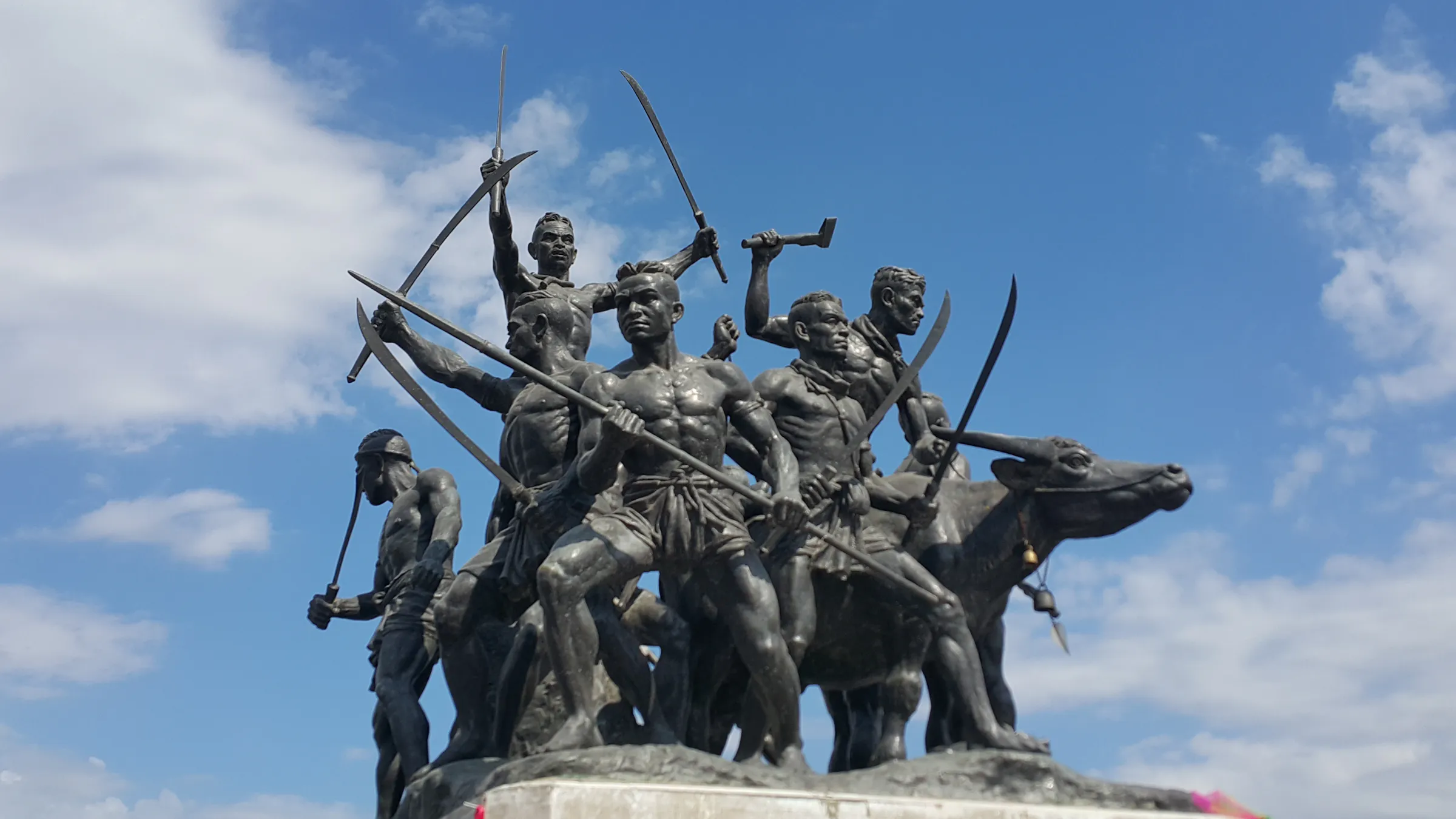
About 115 rai of park and arboretum west of town, built around the Fine Arts Department bronze of the eleven Bang Rachan leaders. King Bhumibol Adulyadej opened the monument in July 1976 (B.E. 2519). A reconstructed stockade stands nearby, and the history centre tells the 1765–1766 (B.E. 2308–2309) stand against the Burmese — the five months and eight fights remembered before Ayutthaya fell. A later museum wing adds further rooms on the camp and the river plain. Open daily about 08:00–17:00. Stand at the monument first, then walk the stockade and the exhibition halls.

Location · Bang Rachan, Khai Bang Rachan District — Highway 3032

Mae Nam Noi Kiln Museum

Mae Nam Noi Kiln Museumพิพิธภัณฑ์เตาเผาแม่น้ำน้อย · วัดพระปรางค์

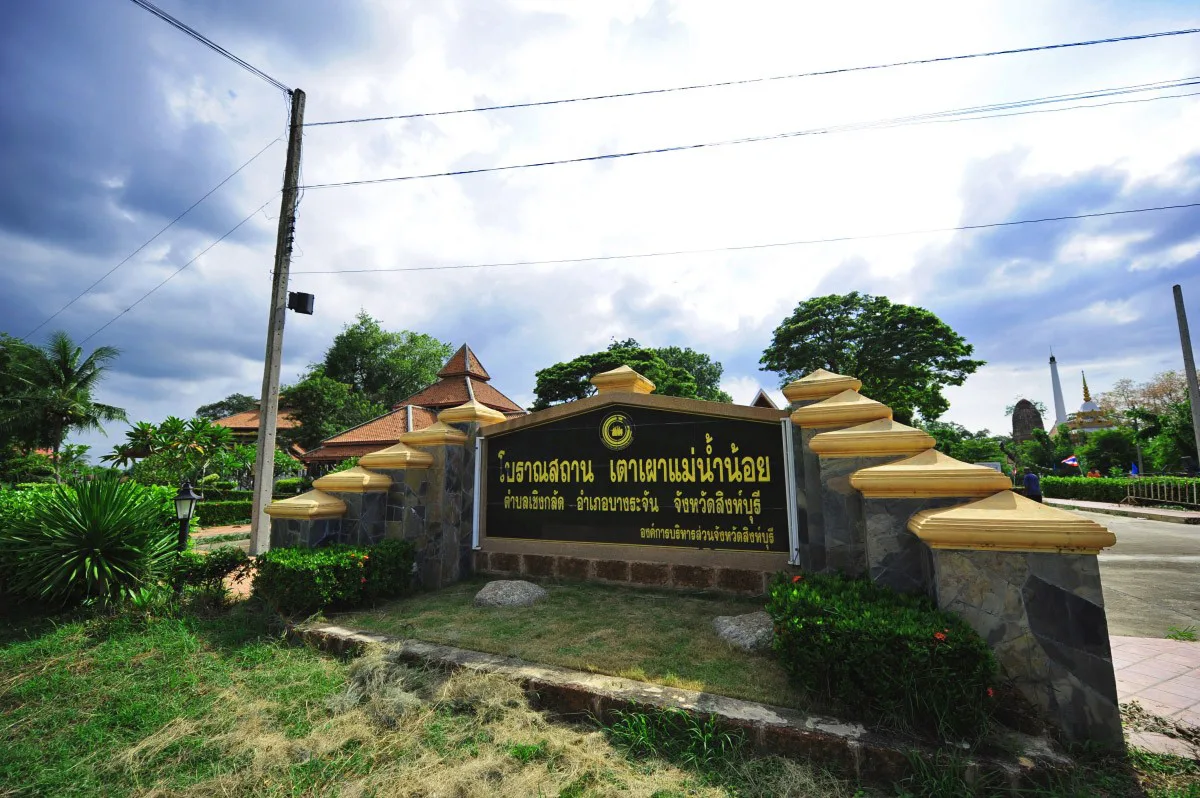
An Ayutthaya pottery field along the Noi River at Wat Phra Prang. More than two hundred kiln remains once lined about two kilometres of bank; many were lost to canals and roads. The Fine Arts Department covered large cross-draught brick kilns — one about fourteen to sixteen metres long — and shows jars, basins, architectural tiles, and clay shot. Provincial notes place the industry in the early Ayutthaya centuries. Open daily about 08:30–17:00, with no entry fee in the usual reading. Drive Highway 3251 past Chan Sot market about a kilometre to the gate.

Location · Wat Phra Prang, Choeng Klat, Bang Rachan District

Thewalai Phra Phrom

Thewalai Phra Phromเทวาลัยพระพรหม

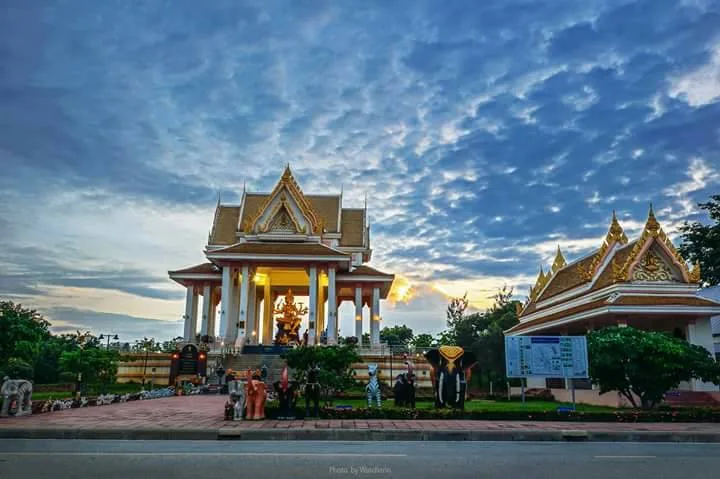
A golden four-faced Brahma shrine raised in 2008 (B.E. 2551) for the eightieth year of Luang Pho Charan of Wat Amphawan, recalling the old mueang of Phrom Buri south of today’s town. CBT Thailand notes a shrine building about 22.3 metres high and an eight-armed image with disc, conch, scripture, water pot, staff, noose, lotus, and prayer beads. Walk three clockwise circuits and ask at each face. It sits just off the Asian Highway (32) before Phrom Buri, a short stop beside Wat Amphawan.

Location · Highway 32, Muang Mu, Mueang Sing Buri — near Wat Amphawan

Wat Amphawan

Wat Amphawanวัดอัมพวัน · หลวงพ่อจรัญ ฐิตธมฺโม

A major meditation temple of Phrom Buri, known for the teaching of Phra Tham Singhaburachan — Luang Pho Charan Thitathammo — who taught vipassana on the Four Foundations of Mindfulness and the law of karma. He has passed away, but three- and seven-day practice courses still run; register on site as the temple posts. Pay respects at his shrine, then sit in the meditation halls if you have come to practice. The temple lies on the left of Highway 32 at about kilometre 78–79 from Bangkok, roughly 130 kilometres up the Asian Highway.

Location · Phrom Buri District, off Highway 32 (km 78–79)

Wat Phikul Thong

Wat Phikul Thongวัดพิกุลทอง พระอารามหลวง · หลวงพ่อแพ

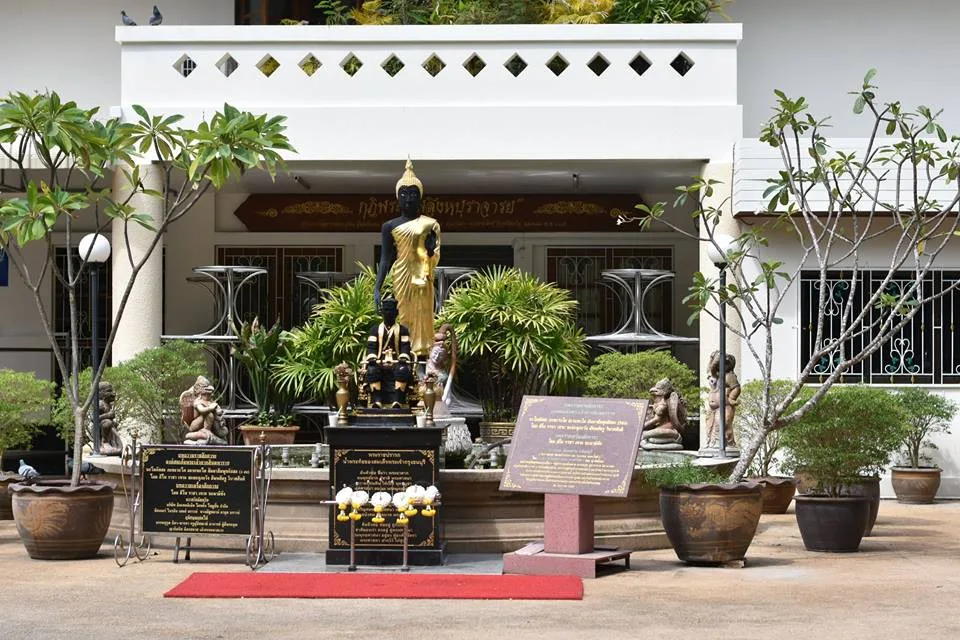
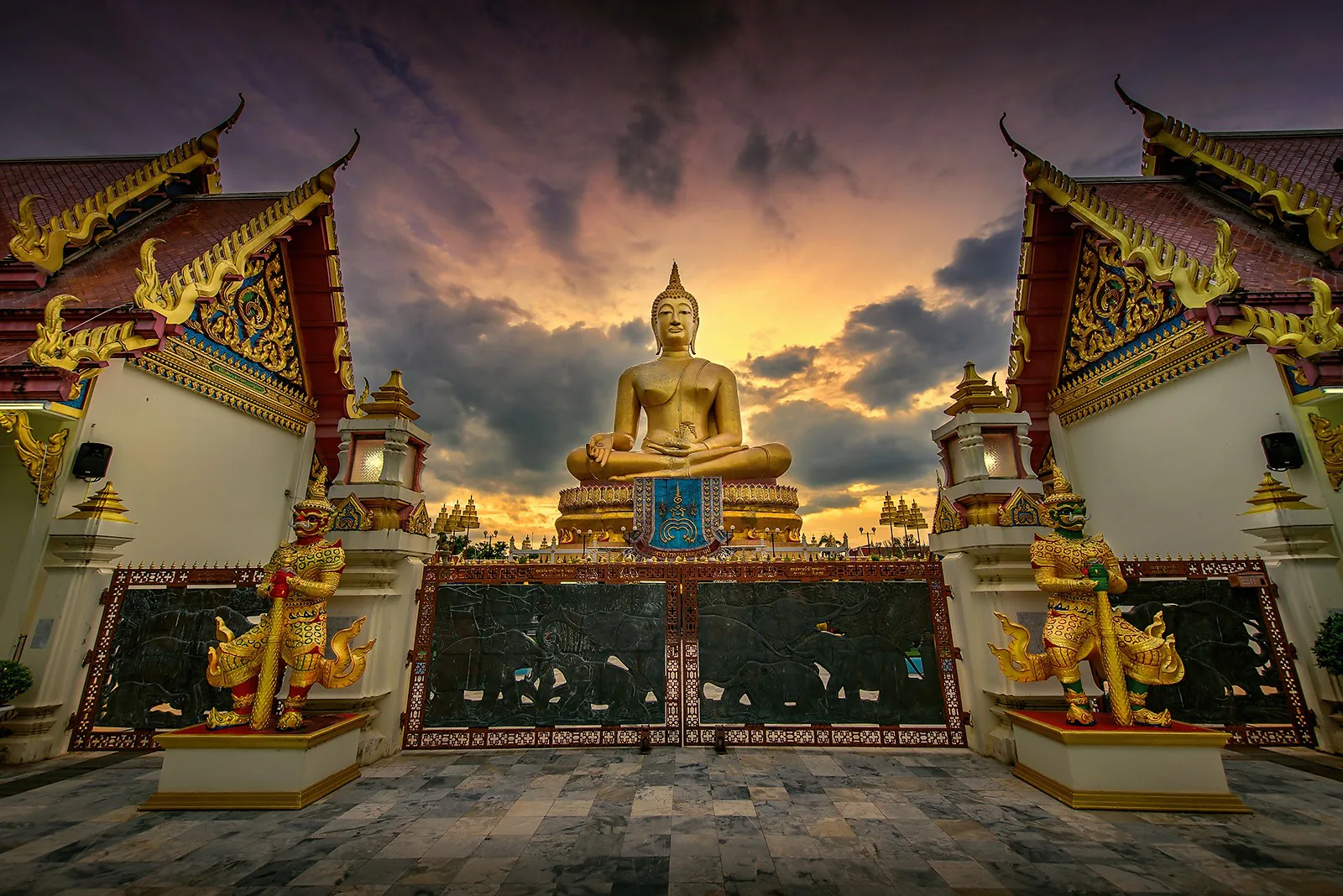
A royal temple on the Noi, about sixteen kilometres from town, still called Wat Luang Pho after Luang Pho Phae (Phra Thep Singhaburachan), who died in 1999 (B.E. 2542). His museum keeps robes, old scripture cabinets, and a wax figure. Across the newer grounds rises Phra Phuttha Suwan Mongkhon Mahamuni — a large blessing Buddha faced with 24-karat gold mosaic, with a cloister of weekday Buddhas around it. Founded as Wat Mai Phikul Thong in 1891 (B.E. 2434) and renamed in 1940 (B.E. 2483). Food stalls and parking sit at the gate. Come for Luang Pho Phae, then walk the big golden image.

Location · East bank of the Noi River, Phikul Thong, Tha Chang District

Wat Phra Non Chak Si Worawihan

Wat Phra Non Chak Si Worawihanวัดพระนอนจักรสีห์วรวิหาร

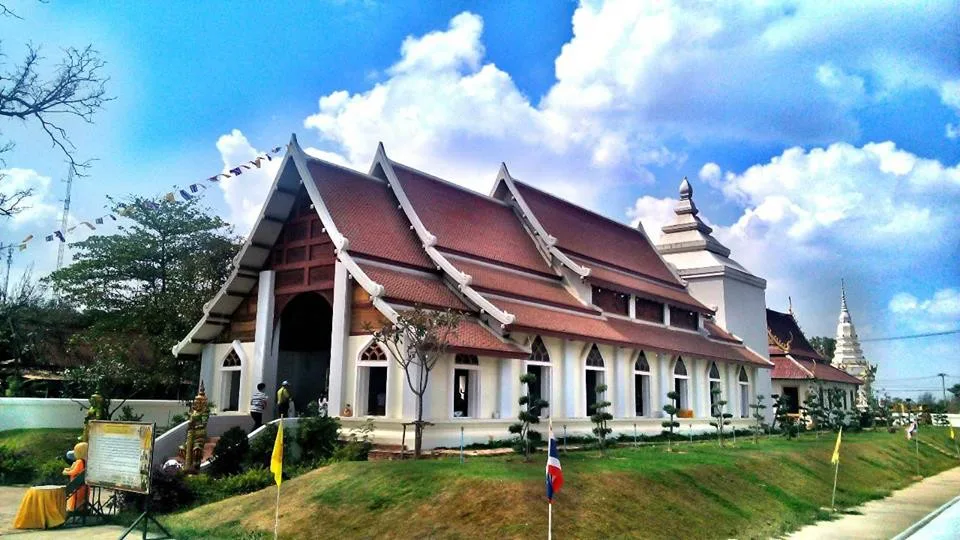
A third-class royal temple about four kilometres from town on the old Chak Si ground. Inside the long viharn lies Luang Pho Phra Non Chak Si, a Sukhothai-style reclining Buddha about 47.42 metres long, face to the north and head to the east — one of the longest images in the country. King Borommakot of Ayutthaya paid homage here in the 1750s; King Chulalongkorn found the hall in ruin in 1878 (B.E. 2421) and funded a restoration finished in 1885 (B.E. 2428). Phra Kan and Phra Kaeo, made in Rama V’s reign for the Oath of Allegiance, share the hall. A community market of about 140 stalls often runs at the front. Walk the full length of the Buddha; do not stop only at the door.

Location · Chak Si, Mueang Sing Buri — Highway 3032 toward Suphan Buri

Wat Prachoetikaram

Wat Prachoetikaramวัดประโชติการาม · หลวงพ่อทรัพย์ · หลวงพ่อสิน

An old town temple about five kilometres toward In Buri on Highway 311. Two tall standing Buddhas in the forbidding-relatives pose share one viharn: Luang Pho Sin in front, about three wa high, and Luang Pho Sap behind, about six wa — both in the attharas class of standing images over eighteen sok. Local custom is to take the precepts before Sin, then ask a wish of Sap. Behind the hall, Luang Pu Ong — a four-eared jar from the mound — holds holy water. CBT notes open hours about 08:00–16:00. Pair it with the In Buri museum on the same road north.

Location · Bang Krabue, Mueang Sing Buri — Highway 311 toward In Buri

Wat Sawang Arom Nang Yai Museum

Wat Sawang Arom Nang Yai Museumพิพิธภัณฑ์หนังใหญ่วัดสว่างอารมณ์ · วัดบางมอญ

A Chao Phraya temple about two kilometres from town, founded in 1856 (B.E. 2399) by Luang Pho Rueang and once called Wat Bang Mon. It still casts Buddha images in the Thonburi bronze-workers’ line, and keeps one of Thailand’s most complete nang yai shadow-puppet sets — more than three hundred figures that can still play four Ramakien battles. The museum opened upstairs in the sermon hall in 2002 (B.E. 2545). Youth from the temple school keep the troupe alive; book ahead if you want a demonstration. Usual hours: Monday–Friday about 09:00–16:00, weekends about 08:30–17:00.

Location · 1 Moo 5, Ton Pho, Mueang Sing Buri — Chao Phraya left bank

04

Local Flavours & Food

Mae La Snakehead, Chao Phraya Prawns, and the Asian Highway

Sing Buri eats from the river. Mae La snakehead is grilled on Highway 32. Chao Phraya prawns take charcoal in Phrom Buri. An old Thai–Chinese room still feeds the bus station, and a flower farm cafe sits on Highway 11 toward In Buri. Ten rooms are listed A to Z. Hours move — read the board.

Where to Eat

Ten Rooms, A to Z

Hours shift. Tap Location before you go.

Ban Suan Mae La Ka Rong

Ban Suan Mae La Ka Rongบ้านสวนแม่ลาการ้อง

Daily · about 10:00–22:00

A garden kitchen on the Mae La in Bang Rachan, with a cool room, tables by the water, and karaoke rooms for a long family meal.
Grilled snakehead with blanched neem and two dipping sauces is the usual order. A basket of fried taro holds tilapia stir-fried with cashews. Stay for lunch if you have come for the canal, not only the plate.

Location · Mae La, Bang Rachan District — on the Mae La canal

Ban Ton Nam Bakery & Restaurant

Ban Ton Nam Bakery & Restaurantบ้านต้นน้ำ เบเกอรี่ แอนด์ เรสเตอรองท์

Daily · about 11:00–21:00

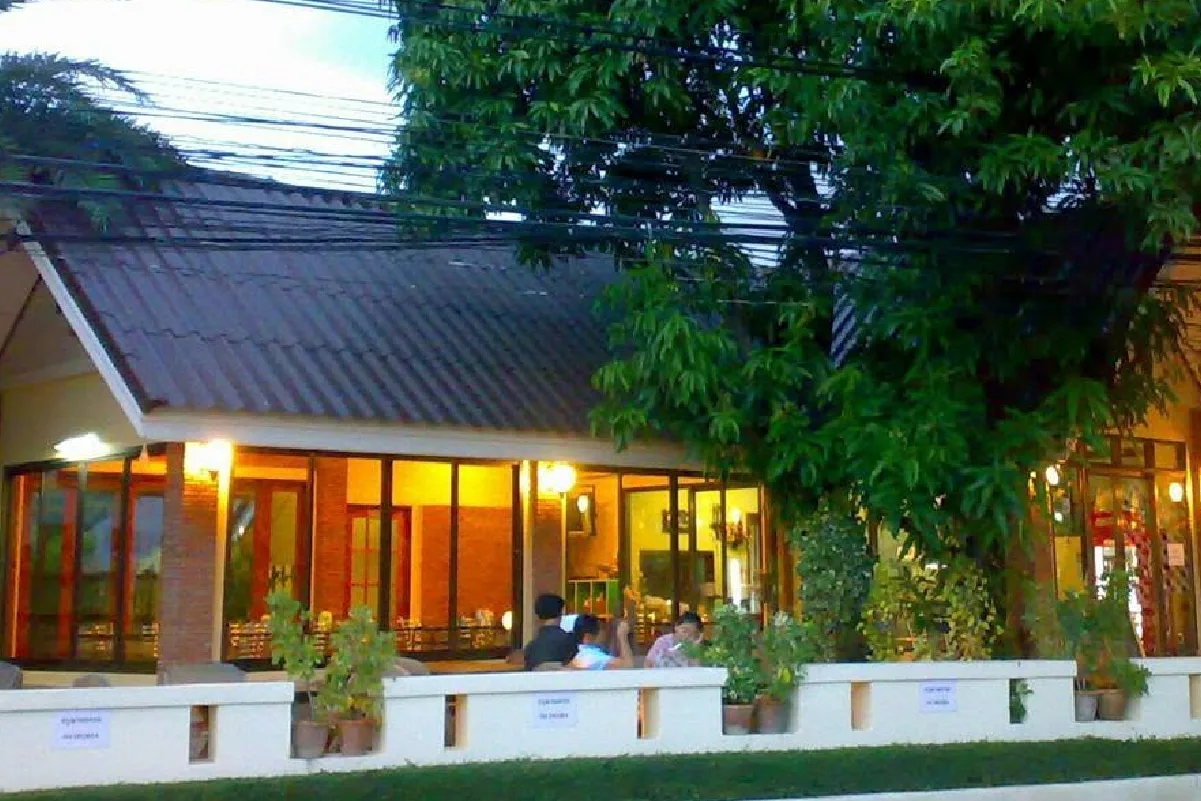
A small mixed kitchen on the left before the bridge into town from Bangkok — Thai plates, steak, pasta, fresh coffee, homemade bakery, and ice cream under one roof.
Crispy noodles and a soft pork steak with toast are the plates people name. There is a cool room and a few outdoor seats. It sits high on local TripAdvisor lists for the town; read the board for the day’s bake.

Location · 1007/19 Sangkharat Road, Bang Phutsa, Mueang Sing Buri

Charoen Thip

Charoen Thipเจริญทิพย์

Daily · about 09:00–19:30

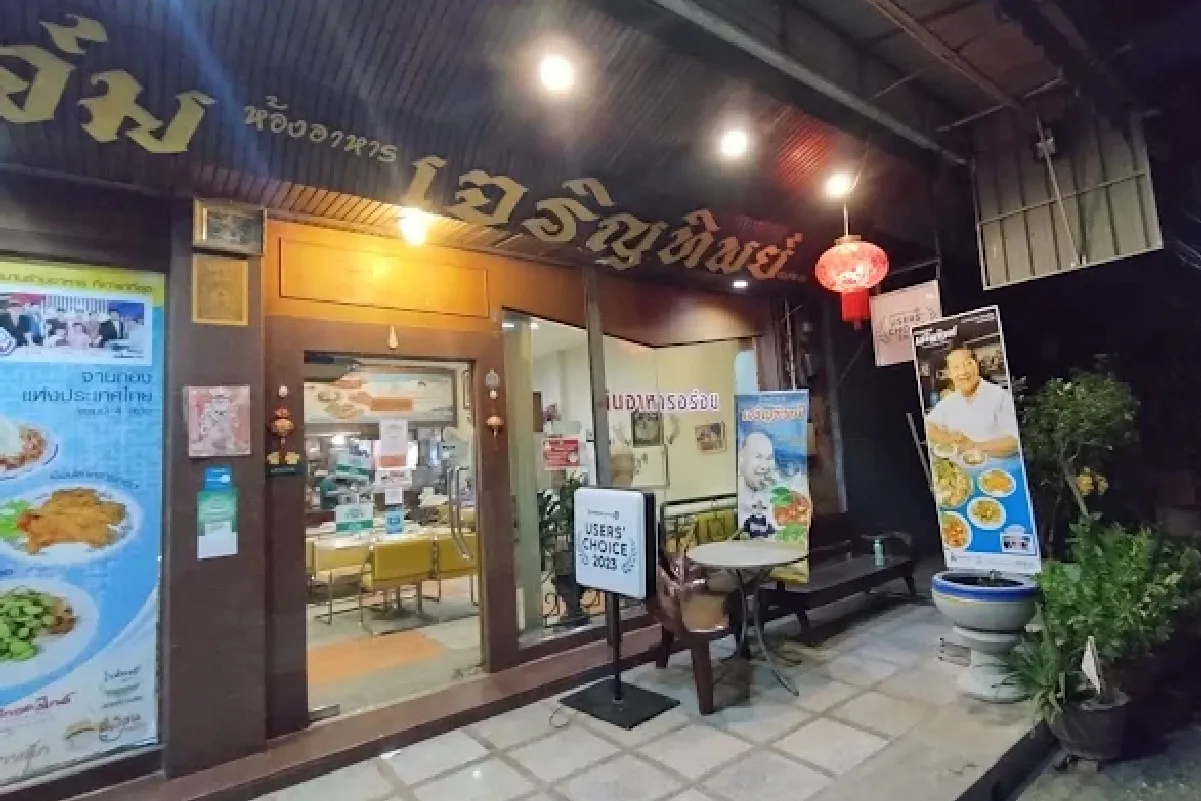
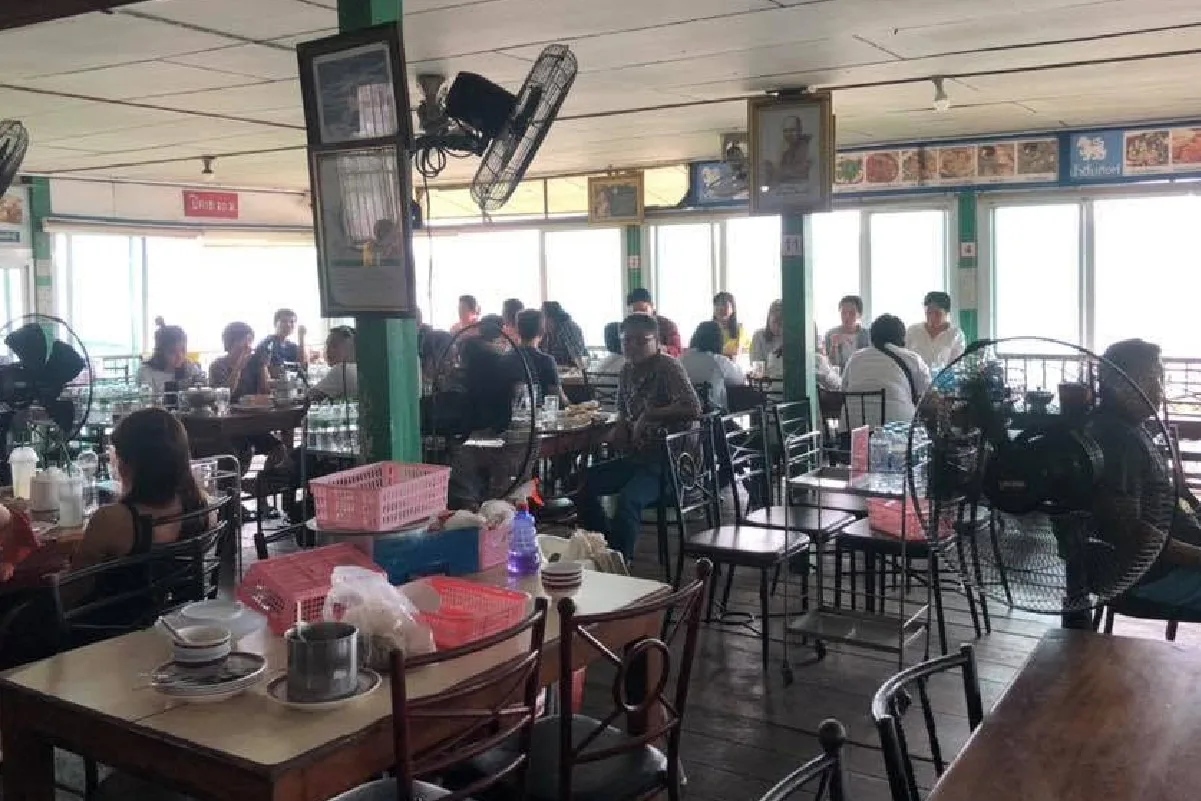
An old Thai–Chinese room near the coach station, kept for decades and still a stop for travellers who once ate here between buses. Round tables and wooden chairs keep the feel of an older town restaurant.
Batter-fried fish belly with pepper, soft-shell crab with garlic and stink beans, and river-fish plates fill the board. Provincial PR still lists it among Sing Buri’s known kitchens. Come earlier than evening if you want a quieter table.

Location · Nai Thaen Road, Bang Man, Mueang Sing Buri — near the bus station

Cher Tam Cafe

Cher Tam Cafeเฌอแตม คาเฟ่

About 10:00–22:00 · often closed Tuesday

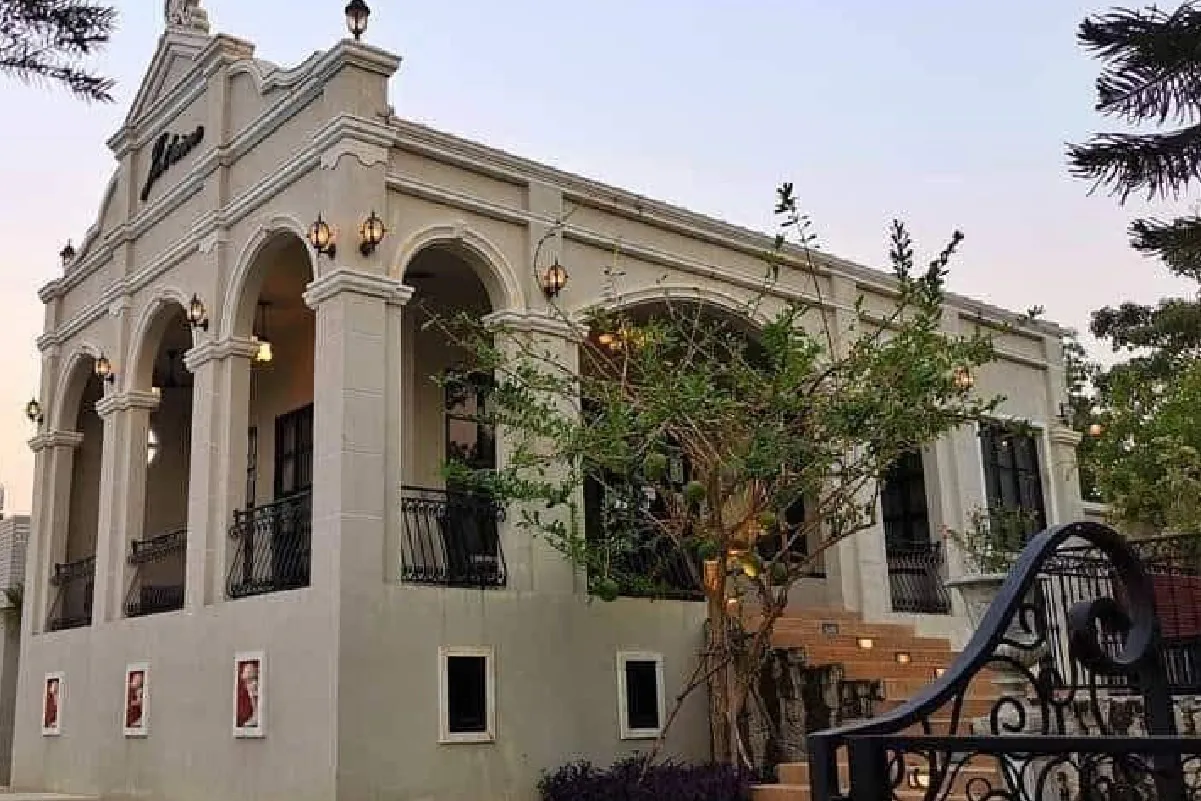
A white French-style cafe in town with an outdoor pool, the owner’s paintings on the walls, and a patterned ceiling that photographs well at golden hour.
Barbecue pork ribs and a salmon steak lead the plates; Je t’aime iced coffee is the drink people repeat. A 2026 note still kept Tuesday closed. Come late afternoon if the light is the point.

Location · 249/14 Thammachot Road, Bang Phutsa, Mueang Sing Buri

Kung Phao Thong Chup

Kung Phao Thong Chupกุ้งเผาทองชุบ

Daily · about 09:00–19:30

A Chao Phraya grill in Phrom Buri, open for decades, with open air along the river and charcoal under the prawns.
River prawns come split and glossy, with the house seafood dip. Glass-noodle salad, seabass fried with fish sauce, and pla khang stir-fried with curry paste sit beside them. Stay for the breeze while the grill works.

Location · 38/2 Moo 6, Ban Mo, Phrom Buri — Chao Phraya bank near Wat Trachu

Mae La Pla Phao

Mae La Pla Phaoแม่ลาปลาเผา

Daily · about 08:30–21:30 or later — read the board

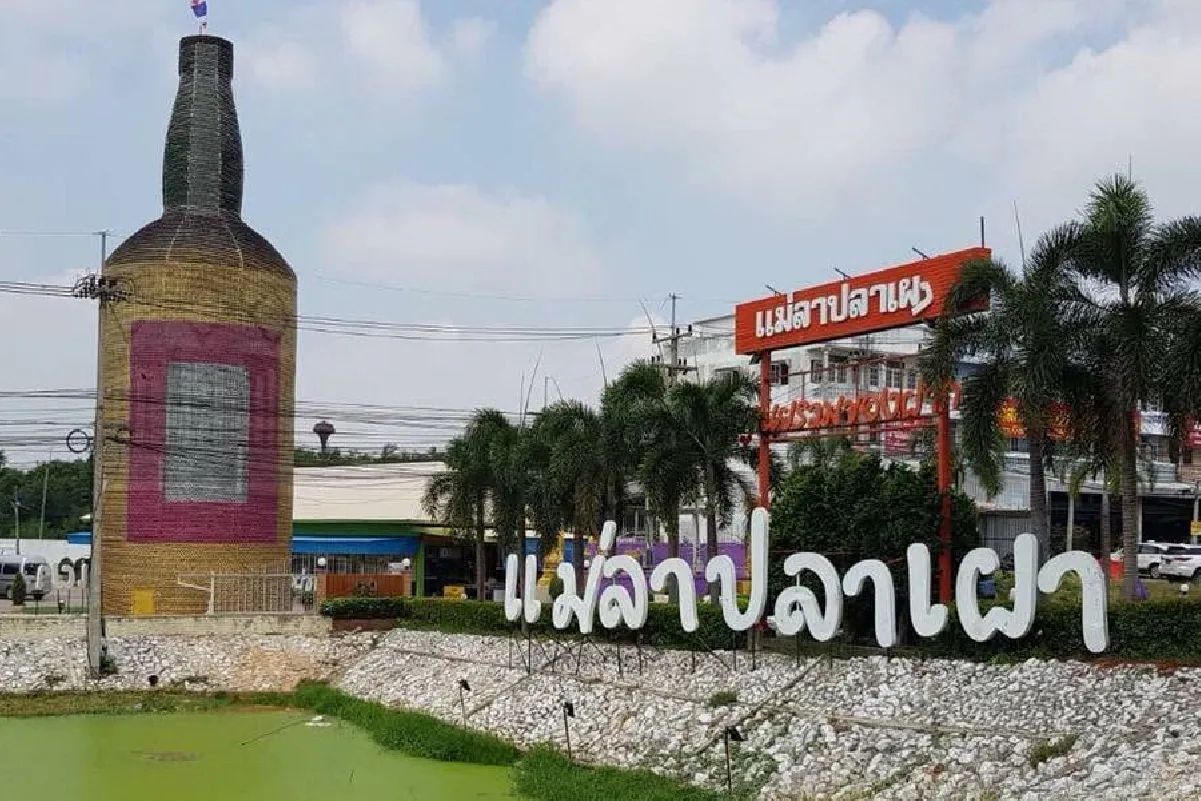
A long roadside grill on Highway 32 in Bang Man, open more than forty years, with tables by a pond and a tall bottle landmark at the front. The shop’s own site still lists the first Mae La Pla Phao, with no branch.
Mae La snakehead grilled over charcoal, river prawns, and soft-flesh fish chu chi are the plates to ask for. Vacuum-packed sun-dried snakehead and fish Chinese sausage leave as gifts. Wongnai and the house board both keep a long day — confirm the last order.

Location · 99 Moo 7, Asian Highway (32), Bang Man, Mueang Sing Buri

Paiboon Kai Yang

Paiboon Kai Yangไพบูลย์ไก่ย่าง · ไพบูลย์ภัตตาคาร

Daily · about 10:00–20:00

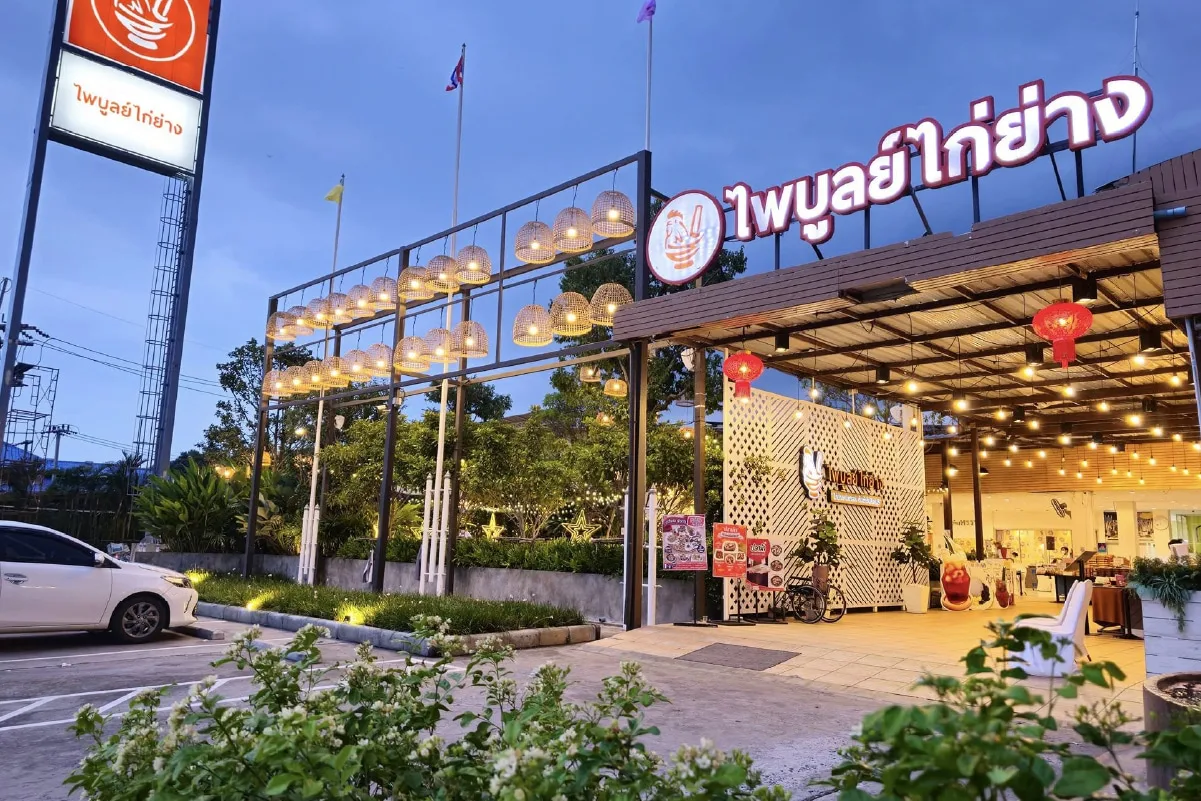
A grilled-chicken kitchen of more than thirty years on the Bang Man road, now under the next generation. The bird is baked first, then finished on the grill, so the skin stays crisp and the meat stays moist.
Thai som tam with house-roasted peanuts and a sharp curry of bitter snails with young coconut shoots round the tray. Parking is easy. It is the lunch stop when you want chicken more than river fish.

Location · 55/5 Moo 1, Bang Man, Mueang Sing Buri — on the main road

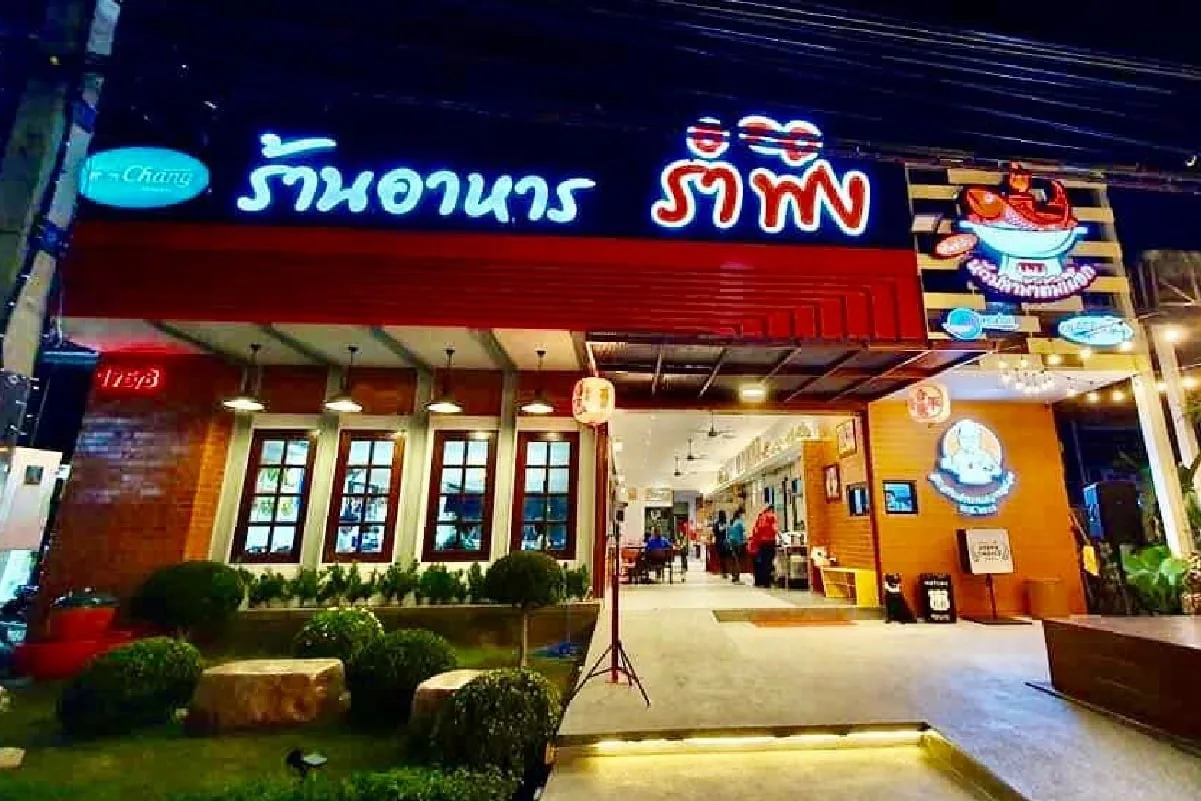
Rumphung

Rumphungร้านอาหารรำพึง

Closed Monday · lunch and dinner — call ahead

The town’s best-known river-fish room, beside the hospital junction, often full enough that locals book before they drive. A cool hall takes a large table.
Crispy snakehead with cashews and squid stir-fried with salted egg are the signatures; fish-head soup with taro and other Chao Phraya plates fill the rest of the list. Wongnai and Google still disagree on the exact lunch and dinner windows, so telephone 036-520-757 before you go.

Location · 175/8 Bang Man, Mueang Sing Buri — near Sing Buri Hospital

Song Pla Mae Nam

Song Pla Mae Namซ้งปลาแม่น้ำ

About 10:00–18:00 · often closed Monday

A quiet Chao Phraya kitchen in In Buri that locals keep returning to, with a simple riverside room and fish bought near home.
Pla kao, pla khang, pla mu, and pla daeng appear when the river has them. Chue nam — a sweet-sour tamarind and chilli dip — is the plate people name. The kitchen closes early and often on Monday. Plan the drive so you sit down before mid-afternoon.

Location · Nam Tan, In Buri District — Chao Phraya bank

VAZANA Coffee House

VAZANA Coffee HouseVAZANA Coffee House · ไร่สิงห์เกษตร

Daily · about 08:00–19:00

A glass loft cafe on about 25 rai of seasonal flowers and a sufficiency farm beside Highway 11 toward In Buri. Swings under the trees and a net deck by a carp pond are the photograph stops.
Honey-bucket americano uses honey from the farm’s own hives, and a fried fermented fish said to follow a sixty-year recipe shares the board. Come for coffee and the fields, then eat if you are staying through lunch.

Location · Highway 11, Thong En, In Buri — In Buri–Sak Lek fork

05

Local Specialties & Souvenirs

Mae La Fish, a Snakehead Cake, and Pak Bang Pia

Sing Buri packs the river for the road home. Mae La snakehead leaves as sun-dried fillets or a soft cake from Kesara. Pak Bang still bakes thin pia. Custard bread, royal-style salapao, and vacuum packs of sausage and pounded pork fill the rest of the bag.

Seven gifts are listed A to Z. Eat the cake, the pia, the bread, and the buns within a few days. The dried fish and the pork packs travel farther if the seal is sound.

  • Ban Klang Soi Custard Breadบ้านกลางซอย ขนมปังสังขยา A soft loaf filled until the sangkhaya custard spills at the cut. Ban Klang Soi is the counter locals name for the town bake. Buy it warm if you can. Eat it the same day, or the crumb dries in the bag.
  • Chinese Sausageกุนเชียง · กุนเชียงนายอิ้ว · กุนเชียงนายฮิม วรอวยชัย A dry Chinese-style sausage kept as a long gift from Sing Buri counters. Nai Iw and Nai Him Worauaychai are the names people still say. Slice it thin for rice, or fry a piece until the fat turns sweet. Check the date on the pack before you drive far.
  • Mae La Snakeheadปลาช่อนแม่ลา · ปลาช่อนแดดเดียว · ปลาช่อนเผา The province’s first gift from the Mae La and Ka Rong canals — firm, sweet flesh with little muddy smell. Buy it grilled to eat at once, or as sun-dried fillets vacuum-packed for the road. Highway 32 shops and Bang Rachan producers keep it year-round. Ask which day it was dried.
  • Mae Sai Jai Salapaoแม่สายใจ ซาลาเปาทูลเกล้าฯ A Guangzhou-style steamed bun with a soft, chewy skin and a full pork or cream filling. The Mae Sai Jai counter on Wilai Chit by the embankment in Mueang Sing Buri still carries the royal-presentation name. Take a warm pack for the drive; they keep longer than a cream cake, but not forever.
  • Pak Bang Piaขนมเปี๊ยะปากบาง · โซวเม่งเฮง · อร่อยซอย 8 Thin-skinned Chinese pia from the old Pak Bang market in Phrom Buri. Sov Meng Heng has baked here for more than seventy years — bean with salted egg, pure bean, winter melon, and durian when the season allows — daily about 07:00–19:30, no branch. Aroi Soi 8 is another town counter people name. Eat within four or five days; bean and salted-egg keep a little longer than soft fruit fillings.
  • Pounded Porkหมูทุบ · หมูทุบคุณละเมียด Pork beaten thin after drying, sold crisp or soft as a travel snack. Khun Lamiat is one pack locals still point to. It keeps longer than a fresh bun if the vacuum seal is good. Read the production day, and keep it cool in a hot car.
  • Sing Buri Snakehead Cakeเค้กปลาช่อนสิงห์บุรี · เกษรา เบเกอรี่ A soft butter cake mixed with Mae La snakehead — about fifteen percent fish in the house story — with pineapple and apricot jam, almost no fish smell. Kesara Bakery created it for the provincial fish festival in 1996 (B.E. 2539), after a cart bakery that began in 1986 (B.E. 2529). The main shop sits on Highway 32 at about km 81–82 in Phrom Buri; gift hours often run about 07:00–21:00. Coconut snakehead ice cream and snakehead pia share the same stop. Boxes usually start around 120–250 baht. Eat within a day or two.

06

Local Culture & Vibe

Robing the Buddha, Rice for the Sky, and Bang Rachan Night

Sing Buri keeps faith on the river and memory at the fort. At Chak Si the great reclining Buddha receives a sash each Songkran, and sticky rice leaves banana-leaf cones as Ti Khao Bin — a rite found almost nowhere else. Thai Phuan villages still ask the sky for rain. Lao Wiang Ban Paeng fills monks’ bowls with flowers at Khao Phansa. February lights the Bang Rachan park; September fills the Chao Phraya with long boats; year-end tables celebrate Mae La fish beside the Red Cross fair.

Eight rites and festivals are listed A to Z. Lunar dates move. The provincial culture office posts the year.

Sing Buri culture

Bang Rachan Heroes Dayงานวันวีรชนค่ายบางระจัน · งานสดุดีวีรชน

Early February · often around 4 Feb · Bang Rachan Heroes Park / Wat Pho Kao Ton, Khai Bang Rachan

The province’s day of remembrance for the Bang Rachan villagers and Phra Achan Thammachot. Wreaths, homage rites, folk shows, and a light-and-sound night fill the memorial park. Dates shift a little by year — come for the opening if you want the full parade.

Fish Festival & Red Cross Fairงานเทศกาลกินปลาและงานกาชาด · ของดีเมืองสิงห์

Usually late December into early January · provincial civic centre / hall front, Mueang Sing Buri

The year’s biggest table for Mae La snakehead and Sing Buri home cooking, with OTOP stalls and a Red Cross charity zone. Classic editions land at year-end in front of the provincial offices; some years the calendar moves — check before you drive.

Kam Faประเพณีกำฟ้า · ไทยพวน

3rd waxing, 3rd lunar month · eve on the 2nd · Bang Nam Chiao & Ban Phoka Phiwat, Phrom Buri

A Thai Phuan sky rite — honour the deities who keep the rain in season. The day before is for pounding rice noodles, khao lam, and khao chi; the 3rd waxing is Kam Fa proper, with temple merit, bai sri, and village games. Wat Kutithong, Wat Uttama Phichai, and Ban Phoka Phiwat still open the ground.

Kuan Khao Thipประเพณีกวนข้าวทิพย์ · ข้าวมธุปายาส

When the rice is in milk · Wat Kutithong, Ban Phoka Phiwat, Wat Uttama Phichai · Phrom Buri

Stirring madhupayasa — the sweet divine rice — when the paddies are milky. Nine ingredients go into the pan; young women in white help stir for hours under sacred thread, then the pot is offered to the monks the next morning. No fixed calendar day — watch the rice, then the temples.

Long-Boat Racesแข่งเรือยาวประเพณี · แม่น้ำเจ้าพระยา

September · Chao Phraya River, in front of the old provincial hall embankment

Painted long boats and full crews race the Chao Phraya each September, often for a royal trophy. Drums on the bank, OTOP stalls on the shore, and the old hall façade as backdrop — Sing Buri’s loudest river day.

Parupanangพิธีปารุปะนัง · ห่มผ้าองค์พระนอนจักรสีห์

Songkran · usually 15 April · Wat Phra Non Chak Si Worawihan, Mueang Sing Buri

Pali for “robing”: a sash is offered to the great reclining Buddha of Chak Si, guardian image of the province. A cloth procession, bathing rites, and a dense Songkran crowd mark the day — one of the clearest faith moments in Sing Buri’s year.

Ti Khao Binประเพณีตีข้าวบิณฑ์ · บ้านจักรสีห์

Songkran · 13–15 April · Ban Chak Si / Wat Phra Non Chak Si Worawihan

A rare sticky-rice rite kept almost only in Chak Si village. White or red sticky rice is steamed, packed into banana-leaf cones, offered before the reclining Buddha, then shared in small circles as the Buddha’s own bin rice. Often paired now with Kuan Khao Thip on the same Songkran ground — a living piece of Siam found almost nowhere else.

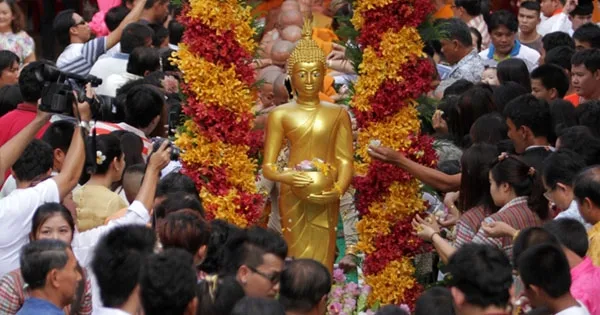
Yai Dokmai Flower Almsพิธียายดอกไม้ · ตักบาตรดอกไม้ · บ้านแป้ง

Khao Phansa season · Wat Chindamani, Ban Paeng, Phrom Buri

Flower alms of the Lao Wiang community at Ban Paeng. “Yai” comes from Lao speech for giving. Lotus, jasmine, marigold, love-flower, and dok phut with popped rice fill the bowls so monks may honour the Buddha at the rains retreat. Candle processions and local craft sit beside the rite; dates follow the year’s Khao Phansa board.

07

Travel Info & Getting There

Plan Your Journey

Sing Buri sits about 140 kilometres north of Bangkok on the Chao Phraya plain. Highway 32 — the Asian Highway — is the spine through Ang Thong into town. There is no airport and no railway inside the province. A car opens Bang Rachan, Phrom Buri, and the Mae La counters; the Mo Chit minibus is the public door.

From Bangkok

By air

Sing Buri has no airport. Don Mueang is the practical landing if you fly — then join Highway 32 north, or ride into Chatuchak and take the Route 905 minibus. Suvarnabhumi means a cross-town transfer first. Most visitors simply leave Bangkok by road.

By car

About 135–142 kilometres from Bangkok. The classic line is Highway 1 (Phahonyothin) to about km 52, then Highway 32 past Bang Pa-in and Ang Thong, finishing on Highway 309 into Mueang Sing Buri — often under two hours once you are clear of the city. The longer alternate stays on Highway 1 through Saraburi into Lopburi, then Highway 311 via Tha Wung, about 179 kilometres. Highway 32 is a six-to-eight-lane trunk road; Friday evenings and the Sunday drive home are the slow hours. From Ayutthaya allow about an hour; from Ang Thong about half an hour.

By train

There is no railway station in Sing Buri. The nearest rail sits east in Lopburi. Long-distance northern expresses from Krung Thep Aphiwat now call at Lopburi 2 in Tha Wung — the elevated bypass station opened in December 2025 — while ordinary and local trains still use the older Lopburi station in town. From either platform you still need a bus, songthaew, or hired car west into Sing Buri, roughly half an hour to forty-five minutes depending on traffic. Check the State Railway board for which trains stop where; times move.

By bus

JP Succeed Transport runs Route 905, the named air-conditioned minibus between Mo Chit’s New Van Terminal in Chatuchak and Sing Buri Bus Terminal in Bang Phutsa. The listed run is about three hours from around 148 baht. Bangkok departures have sat from about 06:40 to 17:40; returns from about 05:30 to 16:30, with highway stops through Ayutthaya, Ang Thong, and Phrom Buri. Arrive at the counter early, or book online before a festival weekend. Luggage space is tight. Older coaches also pass on the Bangkok–north corridor — ask which one sets down in town before you board an express.

Getting around

Mueang Sing Buri is compact and flat — walk the embankment, or use a songthaew and motorcycle taxi for short hops. Bang Rachan Heroes Park, Wat Phikul Thong, In Buri, Phrom Buri’s pia counters, and the Mae La fish sheds sit farther out on Highway 32 and the side roads. Local songthaews thin after dark. For a day of temples, the fort, and the gift counters, hire a car or fix a driver at the bus station before you leave town. Leave Highway 32 itself to confident riders only — the freight is fast.

Best time to visit

November to January is the kinder weather on the plain — cooler mornings at Bang Rachan and clearer temple days. Songkran (13–15 April) brings Parupanang and Ti Khao Bin at Chak Si. Early February lights the Heroes Day fair; September fills the Chao Phraya with long boats; late December into early January is the classic Fish Festival and Red Cross fair (check the year — some editions shift). March to May is hot. May to October greens the rice and raises the river; expect afternoon rain on the low fields.

Continue the Journey

Nearby Provinces